2025 Container Home Guide: How to Build, Design, and Live Sustainably
As the world increasingly turns to innovative solutions for sustainable living, container homes have emerged as a practical and eco-friendly alternative for those seeking to minimize their environmental footprint. The "2025 Container Home Guide" serves as a comprehensive resource for individuals interested in building, designing, and thriving in a container home. This guide not only highlights the aesthetic and functional aspects of container living but also emphasizes the importance of sustainable practices in construction and day-to-day life.
By transforming industrial shipping containers into stylish and efficient living spaces, homeowners can make a significant impact on resource conservation and waste reduction. The versatility of container homes allows for endless design possibilities, catering to various lifestyles and preferences. As we delve into the intricacies of container home construction, we encourage readers to embrace a mindset of sustainability and creativity. Whether you are a seasoned builder or a curious newcomer, our guide will equip you with the knowledge and inspiration needed to embark on your journey toward a sustainable container living experience.
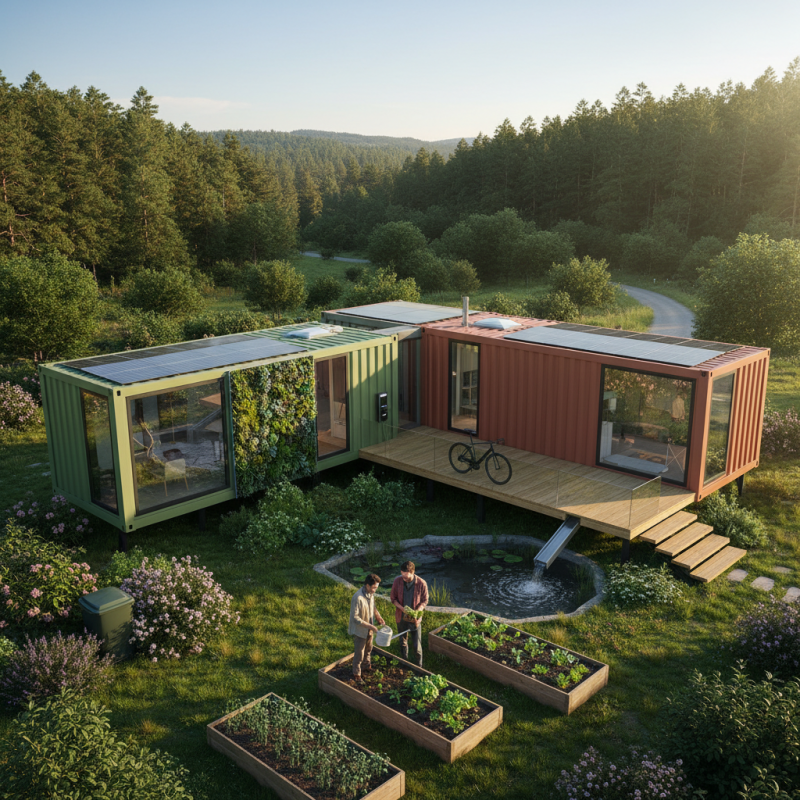
Understanding Container Homes: Definition and Benefits
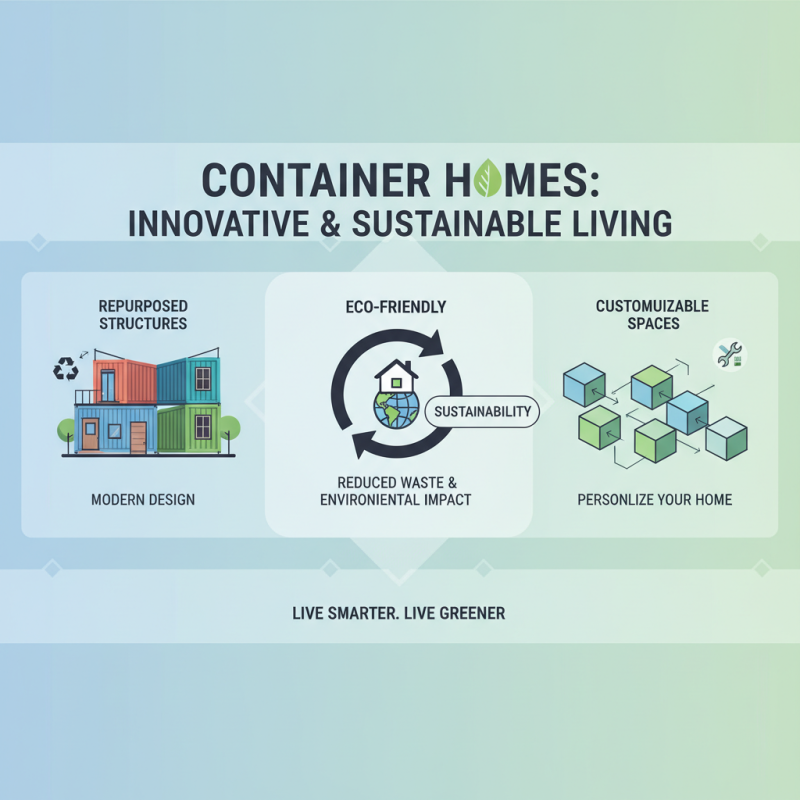
Container homes have gained popularity as innovative and sustainable housing solutions. Defined as structures made from repurposed shipping containers, these homes offer a unique blend of modern design and eco-friendliness. One of the primary benefits of container homes is their reduced environmental impact. By utilizing existing materials, they minimize waste and promote sustainability. Additionally, container homes are highly customizable, allowing homeowners to design their living spaces according to personal preferences and needs.
Tips for those looking to embark on building a container home include starting with a clear plan. Research local regulations and zoning laws to ensure compliance. Understanding the insulation needs of your container home is crucial, as proper insulation will enhance energy efficiency. Opt for energy-efficient windows and appliances to further reduce your carbon footprint and utility costs.
Another great tip is to consider the location of your container home carefully. Choose a site that not only facilitates good drainage but also takes advantage of natural light and views. Incorporating green roofs or natural landscaping can enhance the home’s aesthetic and contribute to improved sustainability. By thoughtfully considering these elements, you can create a beautiful and functional container home that aligns with eco-friendly principles.
Essential Steps for Planning Your Container Home Project
When planning your container home project, the first essential step is to define your primary goals and needs. This includes assessing your lifestyle, budget, and desired location. Understanding how you will use the space is crucial, whether for full-time living, a vacation home, or a rental property. Consider how many containers you will require based on the size of your family or the intended use of the space. This preliminary assessment will guide the design and functionalities you want to incorporate.
Next, it is important to research local zoning laws and building regulations specific to container homes. Each area has different rules concerning permits, land use, and safety standards that must be adhered to. Engaging a knowledgeable architect or builder experienced in container homes can prove beneficial in navigating these regulations effectively. Additionally, consider factors such as insulation, energy efficiency, and sustainable living features to ensure your design aligns with eco-friendly practices. This approach not only enhances the livability of your container home but also contributes positively to the environment.
Design Considerations for Sustainable and Functional Living Spaces
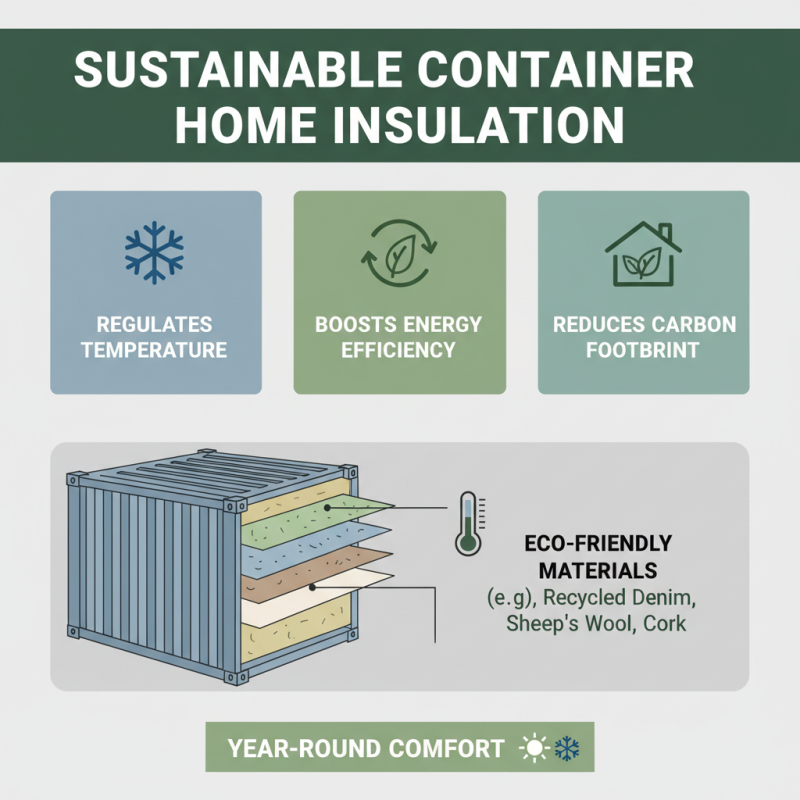
When designing a container home, it's crucial to focus on creating sustainable and functional living spaces. One of the primary considerations is insulation. Proper insulation not only regulates the internal temperature but also enhances overall energy efficiency. By selecting eco-friendly insulation materials, you can significantly reduce your carbon footprint while ensuring comfort throughout the year.
Tips: Consider using reclaimed or recycled insulation materials, such as cellulose or wool, to enhance sustainability.
Another essential factor is maximizing natural light. Container homes often come with limited windows, so strategically placing large openings can make a significant difference. Skylights and sliding glass doors can allow natural light to flood in, reducing the need for artificial lighting. Additionally, using light-colored surfaces helps to reflect sunlight, making the space feel more open and airy.
Tips: Incorporate outdoor living spaces, like decks or patios, that seamlessly connect with the indoor areas to enhance natural light and create a greater sense of space.
Lastly, be mindful of water and energy usage. Choosing energy-efficient appliances and fixtures will not only lower utility bills but also promote sustainable living. Rainwater harvesting systems can further conserve water and reduce reliance on municipal supplies, contributing to your home's overall ecological footprint.
Tips: Implement smart home technology to monitor and optimize energy and water usage effectively.
Building Regulations and Permits for Container Homes in Different Areas
When considering the construction of a container home, understanding building regulations and permits is crucial, as these can vary significantly between regions. A recent report by the Container Home Association highlights that nearly 60% of municipalities across the United States have specific regulations regarding the use of shipping containers for residential purposes. This variability can range from outright bans to specific guidelines that dictate structural integrity, fire safety, and aesthetic considerations. For instance, towns may require that container homes comply with local zoning laws, necessitating the acquisition of building permits prior to beginning construction.
Furthermore, compliance with building codes is not only about legality but also about ensuring the safety and livability of container homes. According to the International Code Council, container homes must meet the same standards as traditional homes, which includes passing inspections for electrical, plumbing, and structural components. Each state has its own unique set of requirements; for example, California necessitates additional seismic regulations due to its earthquake-prone geography. Home builders should consult with local authorities and construction experts to navigate these complexities and obtain the appropriate permits, ultimately contributing to sustainable living that adheres to regional standards.
2025 Container Home Guide: Building Regulations and Permits
| Region |
Building Regulations |
Permit Requirements |
Zoning Regulations |
Sustainability Considerations |
| California |
Follow state building codes; must meet structural safety standards. |
Obtain a building permit; inspections required. |
Residential zoning permits required for placement. |
Encourage eco-friendly materials and energy efficiency. |
| Texas |
Local building regulations vary; must adhere to safety codes. |
Permit obtained from local authorities; minimal restrictions. |
Restrictions based on local dirt and lot size. |
Encouraged use of solar panels and rainwater harvesting systems. |
| Florida |
Must comply with hurricane resistance and safety codes. |
Building and site permits are mandatory; inspections needed. |
Zoning laws vary by municipality; check local guidelines. |
Promotion of energy-efficient designs and materials. |
| New York |
Follow strict city codes; additional safety measures may apply. |
Obtaining permits can be lengthy; multiple inspections required. |
Must align with city zoning laws and land use policies. |
Encourages green roofs and sustainable design methodologies. |
| Oregon |
Compliance with local codes; sustainable construction encouraged. |
Permits required; set fees for container modifications. |
Zoning rules support alternative housing solutions. |
Focus on energy efficiency and using reclaimed materials. |
Tips for Creating an Eco-Friendly Container Home Environment
Creating an eco-friendly container home environment is an empowering way to embrace sustainability while enjoying modern living. Container homes are gaining traction due to their versatility and minimal environmental impact. According to the Environmental Protection Agency (EPA), building with repurposed materials can significantly reduce waste—up to 75% less than traditional home construction. This makes container homes an ideal choice for environmentally conscious individuals.
When designing your container home, consider incorporating renewable energy sources. Solar panels can provide a sustainable energy solution, allowing you to run appliances and lighting while reducing your carbon footprint. Additionally, investing in energy-efficient insulation can help maintain comfortable temperatures, further minimizing energy usage. According to the National Renewable Energy Laboratory, homes powered by solar are projected to reduce household energy consumption by up to 50% annually.
**Tips for Creating an Eco-Friendly Container Home Environment:**
1. Choose sustainable materials for interior finishes, such as bamboo or reclaimed wood, which are environmentally friendly and add aesthetic value.
2. Install rainwater harvesting systems to collect and utilize rainwater for irrigation or non-potable uses, thus conserving water resources.
3. Design your space thoughtfully to maximize natural light and airflow, reducing the need for artificial lighting and air conditioning.
By implementing these strategies, you can create a living space that is not only beautiful and functional but also aligned with sustainable living principles.
2025 Container Home Sustainability Metrics