2025 How to Build a Container House: A Step-by-Step Guide for Beginners
Building a Container House has emerged as a popular and innovative solution for individuals looking to create affordable, sustainable, and stylish living spaces. As the world continues to grapple with housing shortages and environmental concerns, container homes present an attractive alternative that caters to the needs of eco-conscious homeowners and budget-minded individuals alike. This step-by-step guide is designed to equip beginners with the necessary knowledge and practical steps to embark on their journey of constructing their very own Container House.
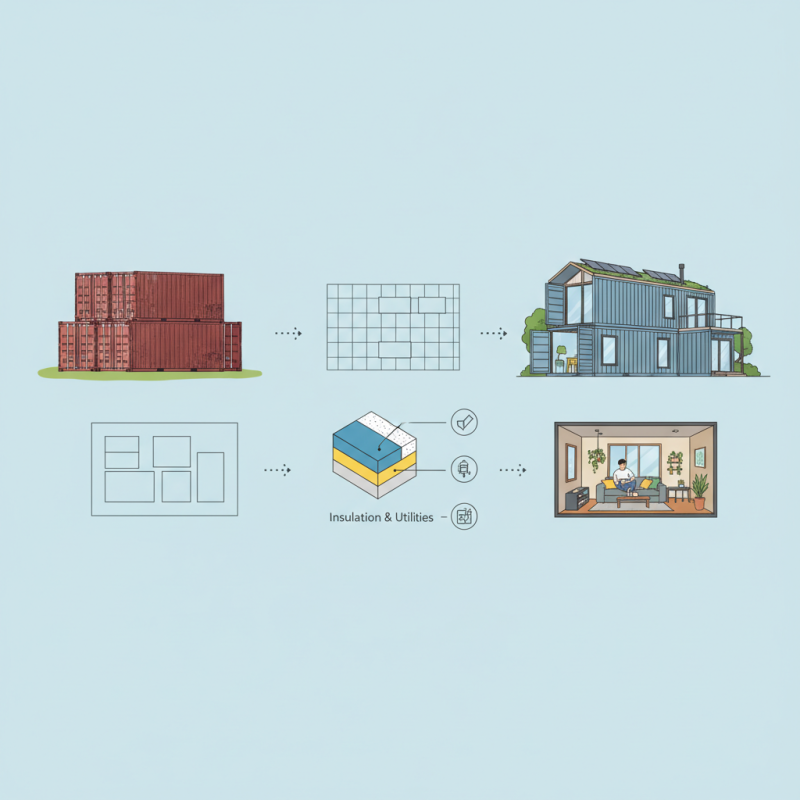
From understanding the fundamental concepts of container living to navigating the intricacies of design and construction, this guide will demystify the process of building a Container House. You will discover essential tips on selecting the right shipping containers, planning the layout, and addressing insulation and utility requirements. Whether you envision a cozy retreat or a modern family home, the versatility of Container Houses allows you to customize your living space to reflect your unique lifestyle and preferences. Join us as we delve into the transformative world of container architecture, where creativity meets practicality to redefine modern living.
Understanding Container Homes: An Overview of Concept and Benefits
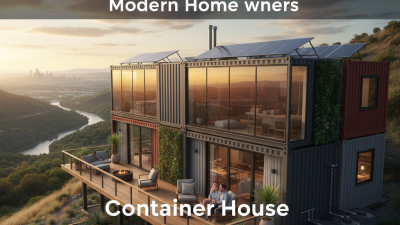
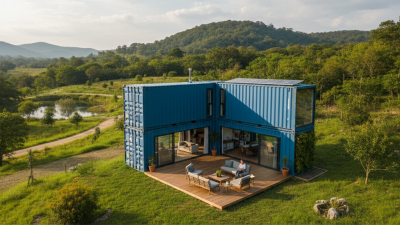
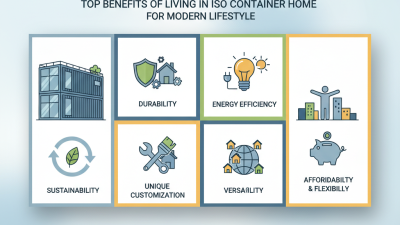
Container homes have gained popularity in recent years, largely due to their unique blend of modernity, sustainability, and affordability. Constructed from repurposed shipping containers, these homes offer a creative alternative to traditional housing, allowing for efficient use of materials. The modular nature of containers allows for innovative designs and layouts, making them highly adaptable to various living needs and environments. Furthermore, their structural integrity provides robustness against extreme weather conditions, making them a viable option for different climates.
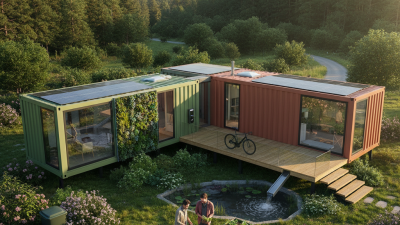
One of the primary benefits of container homes is their environmental impact. Utilizing existing containers reduces waste and minimizes the consumption of new materials, aligning with eco-friendly building practices. Additionally, container homes often require less energy for heating and cooling compared to conventional houses, contributing to lower utility bills. With customizable options, they not only support sustainable living but also cater to individual aesthetics and lifestyle preferences, offering a modern solution to affordable housing while promoting a greener planet.
Selecting the Right Shipping Containers for Your Container House Project
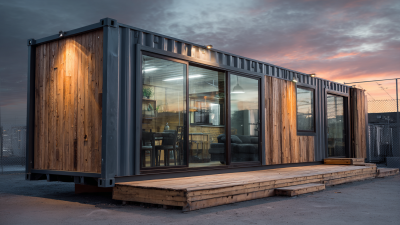
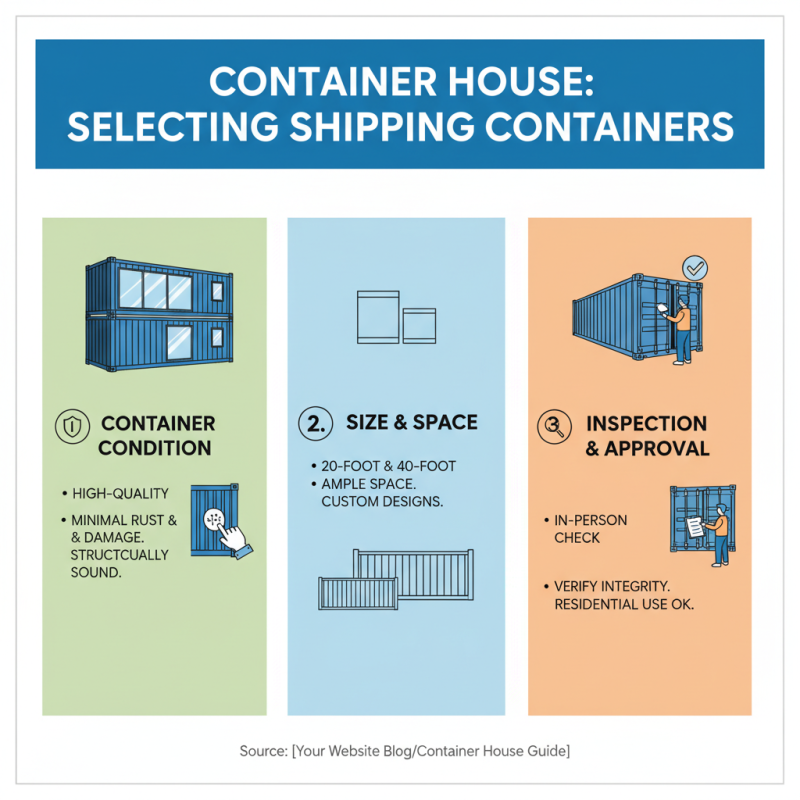
When embarking on the journey of building a container house, one of the most critical steps involves selecting the right shipping containers. First and foremost, you should consider the condition of the containers. Opt for high-quality, structurally sound units that have minimal rust and damage. The most commonly used containers are 20-foot and 40-foot variations, which offer ample space for personalized designs and layouts. Make sure to inspect the containers in person, verifying not only their integrity but also ensuring they are approved for residential use.
Additionally, it's essential to think about the specific requirements of your container house project. This includes evaluating the intended layout and design. If you plan to stack containers or modify them significantly, ensure the containers you select can accommodate structural adjustments. Furthermore, consider how your choice will impact insulation and energy efficiency; some containers come with pre-existing insulation, while others may require additional work. Ultimately, the right containers will lay the foundation for a successful and sustainable container house that meets your vision and practical needs.
Designing Your Container House: Layout, Space, and Aesthetics Considerations
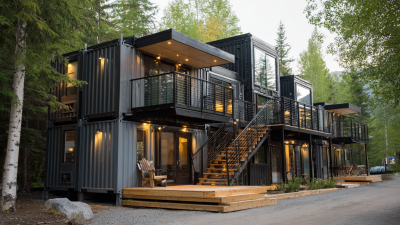
Designing a container house involves various considerations to ensure that the space is functional, aesthetically pleasing, and aligns with your lifestyle. The layout is crucial; it determines how the living areas flow and how natural light enters the space. Start by considering your daily routines and how you can optimize the use of each area.
Open floor plans can make smaller spaces feel larger, while strategically placed walls can create privacy when needed.
When it comes to aesthetics, choosing the right materials and color schemes can enhance your container house’s exterior and interior appeal. Opt for sustainable materials that complement the industrial feel of the containers. For interiors, consider using bright colors and ample lighting to create a welcoming atmosphere.
Tips: Incorporate multi-functional furniture to maximize space efficiency. For example, a sofa bed can serve as both seating and sleeping space, making it ideal for smaller homes. Also, don't underestimate the power of landscaping; simple additions like plants or decorative outdoor elements can significantly improve the overall look of your container house and its surroundings.
Essential Permits and Regulations for Building a Container House
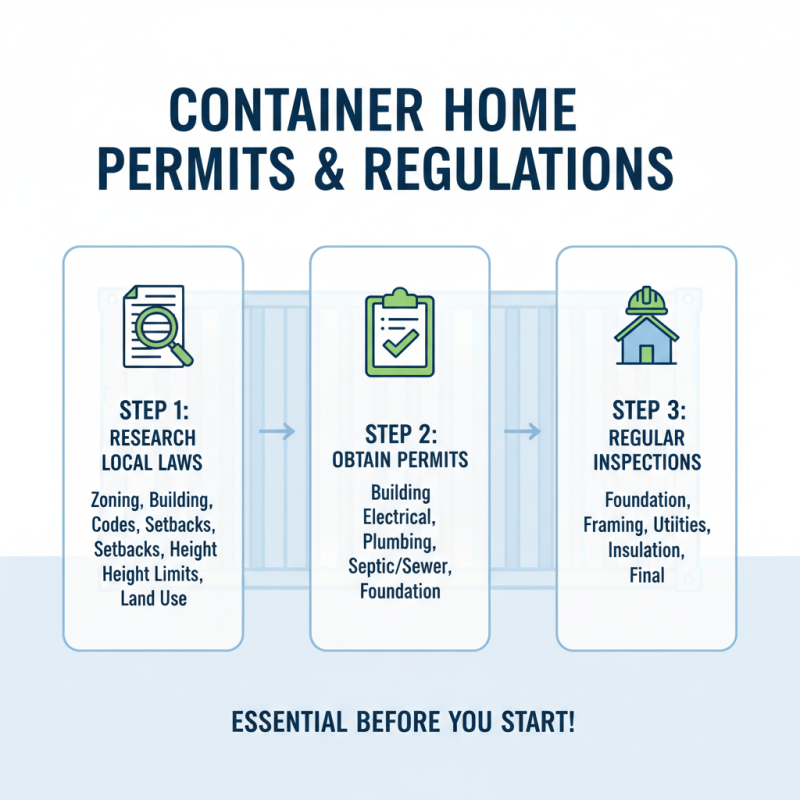
Building a container house can be an exciting and innovative project, but it’s essential to navigate the landscape of permits and regulations before getting started. The first step is to thoroughly research local zoning laws and building codes. Many areas have specific regulations regarding the construction of alternative housing, including container homes. This research will help you understand the required setbacks, height restrictions, and land use designations that may affect your project.
Subsequently, you will need to apply for various permits. These often include building permits, electrical permits, and plumbing permits, depending on the scope of your construction. Some jurisdictions may also require an inspection process to ensure compliance with safety standards. Additionally, securing permits related to site evaluations for drainage or environmental impact can be crucial. Engaging with your local planning department early in the design process is advisable to ensure that your project adheres to all necessary guidelines, helping to avoid costly delays or modifications later on.
Construction Process: Step-by-Step Guide to Completing Your Container Home
Building a container home can be an exciting project for beginners, and understanding the construction process is key to success. The first step involves selecting the right shipping containers, which should be in good condition without structural damage. Once you've secured the containers, you'll need to prepare the site by ensuring proper drainage and leveling the ground. It's essential to have a solid foundation, as it will support the weight of the containers. After establishing the foundation, the next step is to position the containers, making sure they are aligned according to your design.
Once the containers are in place, it's time to focus on cutting openings for doors and windows, as well as insulating the walls. Insulation is crucial for temperature regulation inside the container home. After that, installing plumbing and electrical systems can begin, requiring careful planning to meet local building codes. Internal framing and drywall installation will create a livable environment. Finally, don't forget the finishing touches like flooring, painting, and securing the exterior with weather-resistant materials. By following these steps diligently, beginners can effectively create a stunning container home tailored to their needs.