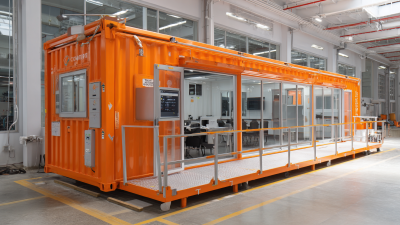
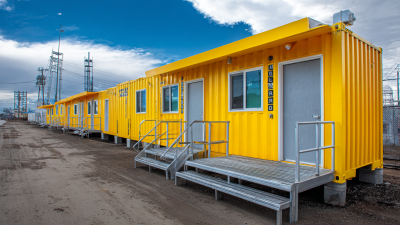
The Barrack Building has played a crucial role in history. These structures symbolize military presence and governance. Where soldiers lived, crucial decisions were made. The design varied, but the essence remained the same.
Barrack Buildings often housed troops in times of peace and war. They served as a base for training and administration. In some places, these buildings reflect the social order and military hierarchy. The layout is functional but often lacks warmth.
Exploring a Barrack Building reveals untold stories. Echoes of laughter and drills fill the walls. Yet, the austere environment prompts reflection. How many sacrifices took place within these confines? The significance of the Barrack Building is profound yet complex.
Barrack buildings serve a crucial role in military infrastructure. They are designed primarily to house soldiers and provide them with basic amenities. Typically, these structures are straightforward and utilitarian in design. Their layout often features rows of bunk beds, shared washrooms, and communal dining areas. This communal living reflects a sense of camaraderie among soldiers.
Historically, barrack buildings have been integral to various military campaigns. They offer shelter and facilitate training. Their significance extends beyond mere functionality; they forge a sense of identity and discipline among troops. Yet, the design often lacks privacy. Soldiers might yearn for personal space amidst the hustle of military life.
In many cases, barracks evolve with time, adapting to modern needs. Today's structures might include advanced facilities but may still overlook soldiers' mental health needs. While barrack buildings fulfill their purpose, there is always room for improvement. Balancing comfort and utility remains a challenge. The history of these buildings serves as a testament to the changing dynamics within military culture.
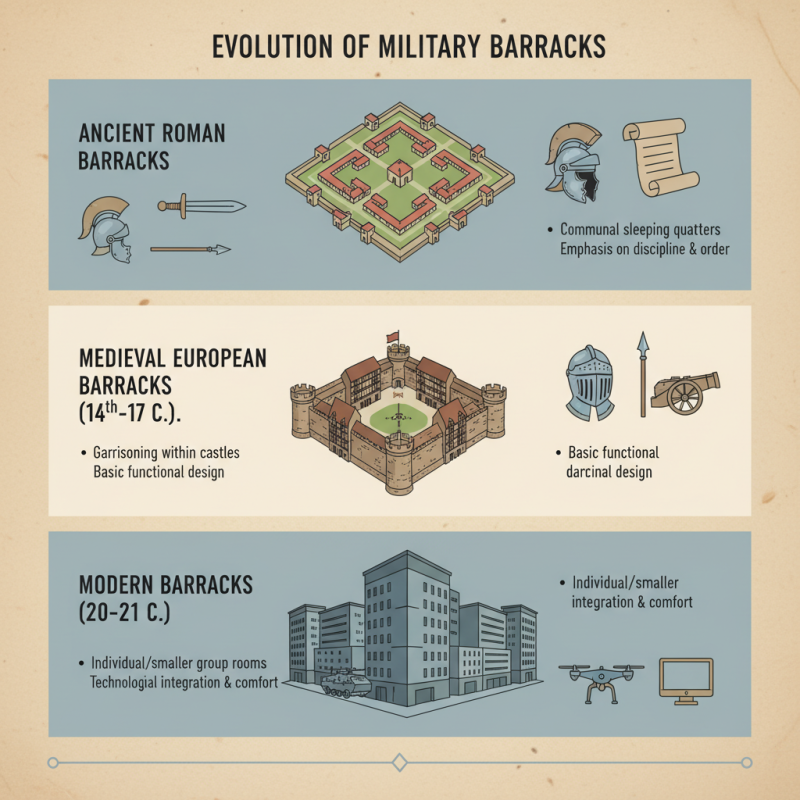
Barrack buildings have evolved significantly over centuries. Their design often reflects the military practices and architectural styles of various eras. In ancient Rome, barracks housed soldiers, emphasizing discipline and order. These structures were built using local materials and often included communal sleeping areas.
During the Middle Ages, barracks became more fortified. Castles often served dual roles. They protected the lords while hosting troops. This dual functionality highlighted the importance of military presence in societal structure. The Renaissance brought more elaborate designs. The focus shifted towards aesthetics. Barracks started to integrate artistic elements, reflecting the cultural shifts of the time.
In the 19th century, industrialization changed barrack architecture. Buildings became larger and more functional. Innovations in materials allowed for rapid construction. However, this growth led to overcrowding. Soldiers often faced poor living conditions. Reflecting on the past, one wonders how these choices impacted troop morale. Today, the remnants of ancient barracks serve as reminders. They hold stories of sacrifice, unity, and sometimes, neglect.
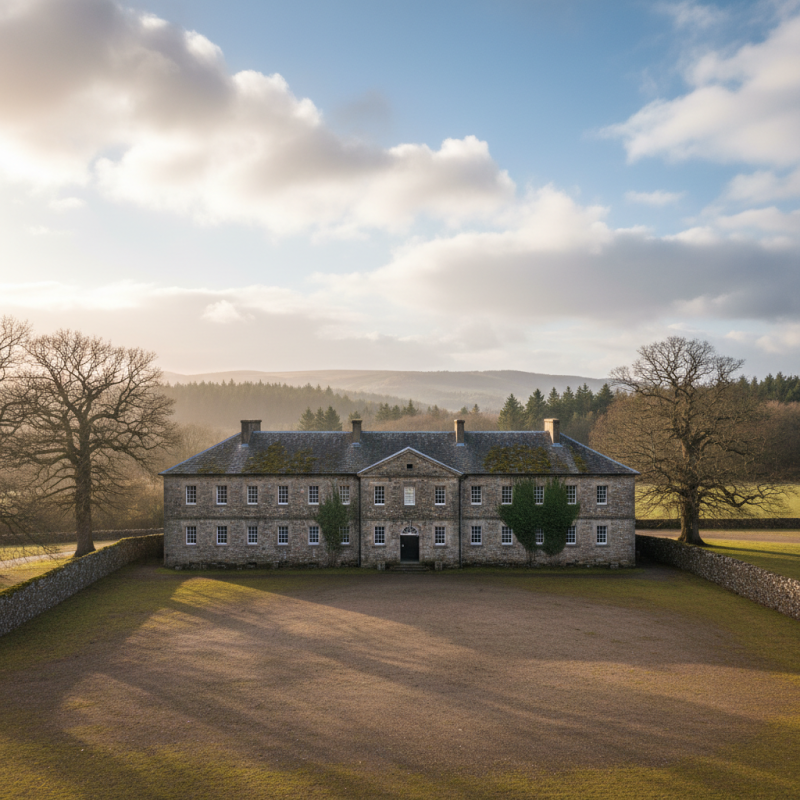
Barrack buildings have a unique architectural style. They were originally designed for housing military personnel. These structures often feature long, linear designs. This allows for efficient use of space. Windows are typically aligned symmetrically, providing uniformity. The roofs are generally low-pitched, ideal for areas with heavy rain. Materials vary, but many are brick or wood, giving them a rustic charm.
When studying barrack buildings, consider their historical context. Many were constructed during significant military conflicts. This influenced their design elements, which aimed at utility and durability. The interiors are often basic, with minimal decoration. Soldiers needed functional spaces rather than luxurious ones. Over time, some barracks were repurposed. They now serve as museums or community centers.
Tips for exploring barrack architecture: Look closely at the alignment of windows. Notice how spaces are organized. Reflect on the practicality of each design choice. Understanding the history behind these buildings adds depth to your observations. Don't rush—take your time to absorb the details. This can enhance your appreciation for such structures.
| Dimension | Details |
|---|---|
| Definition | Barrack buildings are structures designed to house military personnel. |
| Historical Significance | Barracks represent a crucial aspect of military organization and readiness throughout history. |
| Common Features | Formed with communal living quarters, common rooms, and amenities for soldiers. |
| Architectural Styles | Ranging from functional, minimalist designs to grand, imposing structures often influenced by local architectural trends. |
| Notable Examples | The Royal Barracks in various countries, fort d'Aubervilliers, and others. |
| Modern Use | Often repurposed for residential, commercial, or cultural uses after deactivation. |
| Cultural Impact | Barracks often act as symbols of military heritage and national pride. |
Barrack buildings have been vital in organizing military forces throughout history. They serve as living quarters for soldiers. Typically, barracks are strategically located near training areas or battlefields. This proximity allows for quick mobilization and efficient use of resources. In some regions, barrack design even reflects local architecture, blending functionality with cultural identity.
The layout of barrack buildings also plays a role in military strategy. Open spaces encourage camaraderie and discipline among troops. Soldiers learn to work together within these walls. However, maintaining morale can be challenging. Overcrowding and lack of privacy often create tension. Leaders must find a balance between efficiency and soldier well-being. Furthermore, barracks can also become targets in conflicts. Their destruction can disrupt military operations significantly.
Historically, barracks have faced criticism. Some view them as institutions of control, stifling individuality. Others argue that they foster a unique sense of belonging. Each barrack building holds stories of bravery and hardship. Yet, they also remind us of the cost of conflict and the need for reflection. The role of these buildings continues to evolve, shaping military structures and strategies around the world.
Barrack buildings hold a unique place in our cultural history. These structures were once vital for military organizations. They provided shelter to soldiers and played essential roles in various conflicts. However, many barracks now face neglect and deterioration. The preservation of these buildings is critical to maintaining our historical landscape.
Efforts to preserve historic barracks are often challenging. Funding can be limited, and interest may wane. Yet, these spaces can serve as community hubs. Restoration projects can transform them into museums or cultural centers. They can educate people about military history and local heritage. This process often requires collaboration between organizations and citizens. Turning old barracks into vibrant spaces can be rewarding but requires commitment.
Cultural significance extends beyond architecture. Barracks often represent stories of bravery and sacrifice. They reflect the values of their time. However, their history is complex. Some barracks have dark pasts tied to conflict and oppression. Acknowledging these narratives is important for meaningful preservation. Striking a balance between remembering history and creating a hopeful future can be difficult. Nonetheless, preserving barrack buildings enriches our understanding of the past. It encourages reflection and dialogue in our communities.
This bar chart illustrates the historical significance of barrack buildings over different periods, reflecting their importance in construction, restoration, current preservation efforts, and cultural events held annually. Each metric represents a different aspect of their historic value.