Top 10 Benefits of Container House Ready Living Solutions?
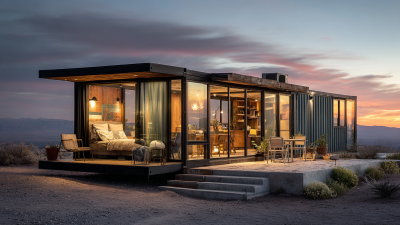
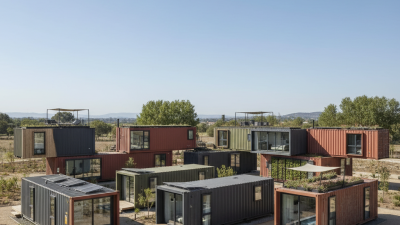
In recent years, "Container House Ready" living solutions have gained immense popularity. These innovative homes offer a unique blend of sustainability and style. People are increasingly seeking options that are both affordable and eco-friendly. Container houses provide a practical response to the rising housing costs. They also encourage a minimalist lifestyle.
With flexible designs, container homes can adapt to various settings. They can be fitted in urban areas or rural landscapes with ease. However, potential owners must consider local zoning laws. Some areas may have strict regulations regarding container homes. This aspect can complicate the process of building.
The benefits of choosing a container house go beyond mere aesthetics. They promote energy efficiency, often reducing utility costs. However, it is also important to reflect on the challenges. Finding reliable contractors for building can be difficult. Not all will understand the unique requirements of container homes. Despite the hurdles, the advantages of Container House Ready living solutions are undeniable for those willing to explore them.
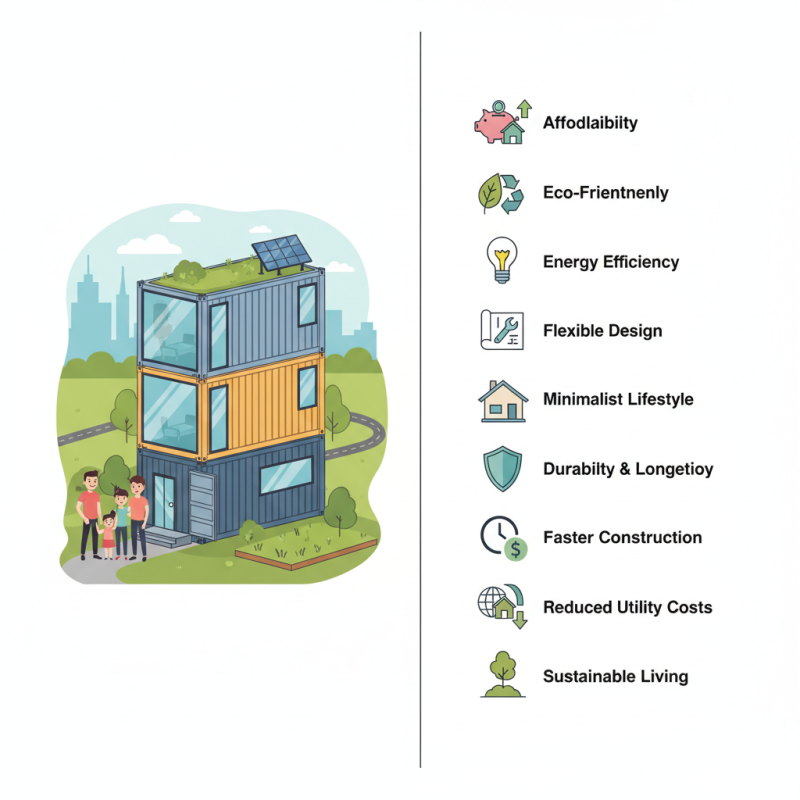
Overview of Container House Living Solutions
Container house living solutions offer a unique approach to modern housing. These homes are constructed from repurposed shipping containers, making them eco-friendly. They are relatively inexpensive and quick to assemble. Many are designed to be mobile, allowing for flexibility in location. This can be a great option for those seeking adventure or temporary housing. However, not all designs take local climate into account, which can lead to discomfort.
The interiors of container homes can be creatively transformed. Open floor plans give a sense of space. Large windows flood the rooms with natural light. You can easily personalize decor to suit your taste. Yet, without careful planning, storage space may become an issue. It's crucial to think practically about your belongings in such compact living environments.
Some people may struggle with traditional concepts of home. Living in a container might challenge perceptions of comfort and luxury. It can feel cramped if not organized well. These adjustments require reflection on what truly constitutes a home. The journey of container living can be both rewarding and challenging, prompting deeper insights into our living needs.
Top 10 Benefits of Container House Ready Living Solutions
| Benefit |
Description |
| Affordability |
Container houses are generally less expensive to construct than traditional homes, offering a budget-friendly housing solution. |
| Eco-Friendliness |
Using shipping containers promotes recycling and reduces waste, contributing positively to the environment. |
| Durability |
Container houses are strong and weather-resistant, providing durability against harsh conditions. |
| Quick Assembly |
Construction time is significantly reduced since container homes can be built rapidly and moved easily to different locations. |
| Customization |
Container homes can be easily customized in terms of design, size, and layout to suit individual preferences. |
| Mobility |
Container homes can be relocated as needed, making them a flexible housing option for those on the move. |
| Energy Efficiency |
With proper insulation and design, container houses can be very energy-efficient, reducing utility costs. |
| Innovative Aesthetics |
Container homes provide a unique and modern aesthetic that can stand out in various environments. |
| Flexibility in Use |
They can be used for various purposes including residential homes, offices, or even vacation rentals. |
| Community Support |
Many communities are increasingly accepting container homes, encouraging innovative urban developments. |
Cost-Effectiveness: How Container Houses Save Money
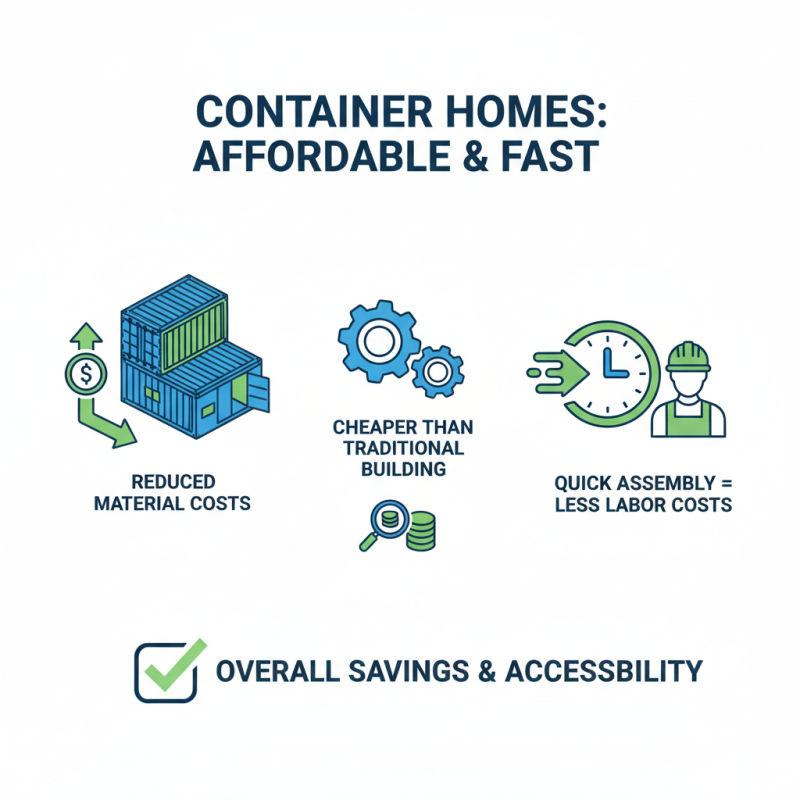
The cost-effectiveness of container houses is impressive. Using shipping containers as homes significantly reduces material costs. They are often cheaper than traditional building methods. This makes them accessible to many. Plus, they can be assembled quickly, saving labor expenses. Quick setups mean lower costs overall.
Container houses also offer energy efficiency. Insulation can be added easily, helping regulate temperatures. This leads to savings on heating and cooling. Many also utilize renewable energy sources, reducing long-term expenses. A smaller footprint means lower land costs too. Savings can be substantial when all factors are considered.
However, there are challenges. Sizing and layout may not always fit individual needs. Local regulations can complicate building permits. Potential buyers should carefully research before proceeding. While many love the aesthetic, it’s not for everyone. Some might find traditional homes more comfortable. Balancing these factors can help one make an informed decision.
Sustainability and Environmental Benefits of Container Homes
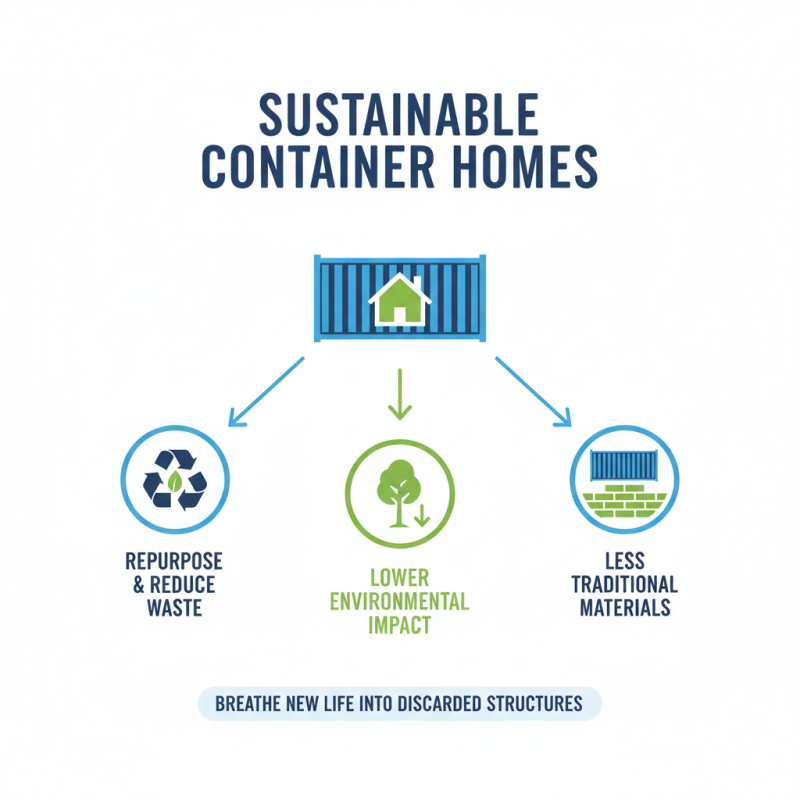
Container homes are an innovative solution in the realm of sustainable living. They repurpose shipping containers, reducing waste and environmental impact. This approach helps in cutting down on the demand for traditional building materials. By using containers, we breathe new life into structures that would otherwise be discarded.
One significant advantage is energy efficiency. Container homes can be designed with insulation that reduces heating and cooling needs. Solar panels can easily be integrated, providing renewable energy. This reduces reliance on fossil fuels. However, not all container homes are built efficiently. Some designs overlook proper ventilation, leading to unhealthy living conditions. This needs careful consideration during construction.
Water conservation is another benefit. Many container homes incorporate rainwater harvesting systems. This captures rainwater for various uses, reducing reliance on municipal sources. Yet, maintenance of such systems is often neglected. It's crucial for homeowners to stay informed and proactive. Sustainable living requires commitment, not just in design but in everyday practices.
Design Flexibility: Customization Options for Container Houses
Container houses offer remarkable design flexibility. Customization options abound, catering to various needs and aesthetics. According to industry reports, the global market for prefabricated structures is expected to reach $157 billion by 2023. This growth highlights the demand for personalized living spaces.
Many homeowners choose container houses for their unique architectural style. The modular nature allows for creative layouts. Walls can be removed or added based on preferences. Some designs feature large windows for natural light, enhancing the overall ambiance. However, not every customization option is practical. Insulation and ventilation may be overlooked in the excitement of design.
Sustainability plays a significant role in this on-trend housing solution. Reports indicate that container homes can reduce carbon footprints by up to 50%. This is appealing to eco-conscious builders. Yet, the high initial costs for customization can deter some potential buyers. Balancing aesthetics and budget remains a challenge for many. Customization can lead to decisions that may require future adjustments or repairs.
Top 10 Benefits of Container House Ready Living Solutions
Rapid Construction and Mobility Advantages of Container Solutions
Container houses are gaining popularity due to their rapid construction features. These units can be assembled quickly, often in just a few weeks. The use of pre-fabricated materials speeds up the entire building process. This is a significant advantage over traditional homes, which can take months or years to complete.
Mobility is another essential benefit of container solutions. These homes can be relocated easily when needed. This flexibility is appealing for families or businesses that may want to change their location. However, moving a container house isn’t always straightforward. It requires planning and logistics, which can sometimes lead to unexpected challenges.
Moreover, container homes are often customized to fit specific needs. They can be adapted for various uses, such as offices or vacation getaways. Yet, this versatility can also lead to design dilemmas. Balancing style and function requires thoughtful consideration. Overall, container houses offer intriguing benefits but come with their own set of complexities.