Top 10 Benefits of Flat Pack Container Offices for Modern Workspaces
In recent years, the concept of the Flat Pack Container Office has gained significant traction as businesses evolve to meet the demands of modern work environments. This innovative solution redefines traditional workspace design by merging functionality with practicality. Flat Pack Container Offices are not only versatile and space-efficient, but they also provide a range of benefits that cater to the dynamic nature of contemporary work culture.
These container offices exemplify a sustainable approach to workspace creation, allowing businesses to adapt rapidly to changing needs and economic landscapes. From their easy assembly and portability to their cost-effectiveness and environmental considerations, Flat Pack Container Offices stand out as a viable option for companies looking to enhance productivity while minimizing overhead costs. As organizations increasingly prioritize flexibility and employee well-being, exploring the various advantages of Flat Pack Container Offices becomes essential for forward-thinking businesses aiming to thrive in today’s competitive market.
Benefits of Space Efficiency in Flat Pack Container Offices
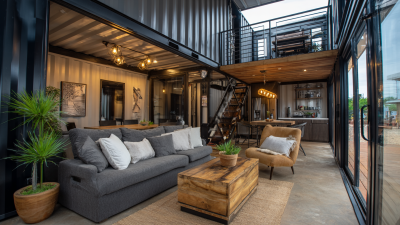
Flat pack container offices have gained significant traction in modern workspaces due to their remarkable space efficiency. According to a report by the Global Workspace Alliance, companies can save up to 30% in real estate costs by utilizing modular offices, which can be quickly assembled and disassembled. The efficient design of flat pack container offices allows businesses to maximize their available space, providing more room for productivity and collaboration. This innovative approach not only optimizes floor area but also enhances the overall aesthetic of work environments, which can lead to a more engaged and motivated workforce.
Furthermore, the adaptability of flat pack container offices is a substantial benefit in the ever-evolving world of work. Research from the American Institute of Architects indicates that flexible office layouts can increase employee satisfaction by up to 40%, as spaces can be easily reconfigured to meet changing needs. The modular nature of these offices allows companies to scale up or down without the lengthy processes associated with traditional office leasing. This flexibility supports agile working arrangements, enabling teams to pivot quickly in response to market demands while maintaining an efficient use of space.
Top 10 Benefits of Flat Pack Container Offices
Cost-Effectiveness of Flat Pack Container Offices for Businesses
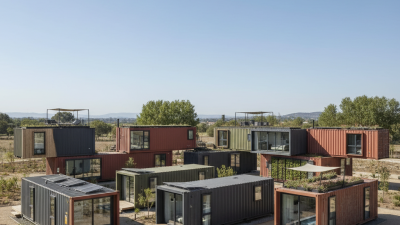
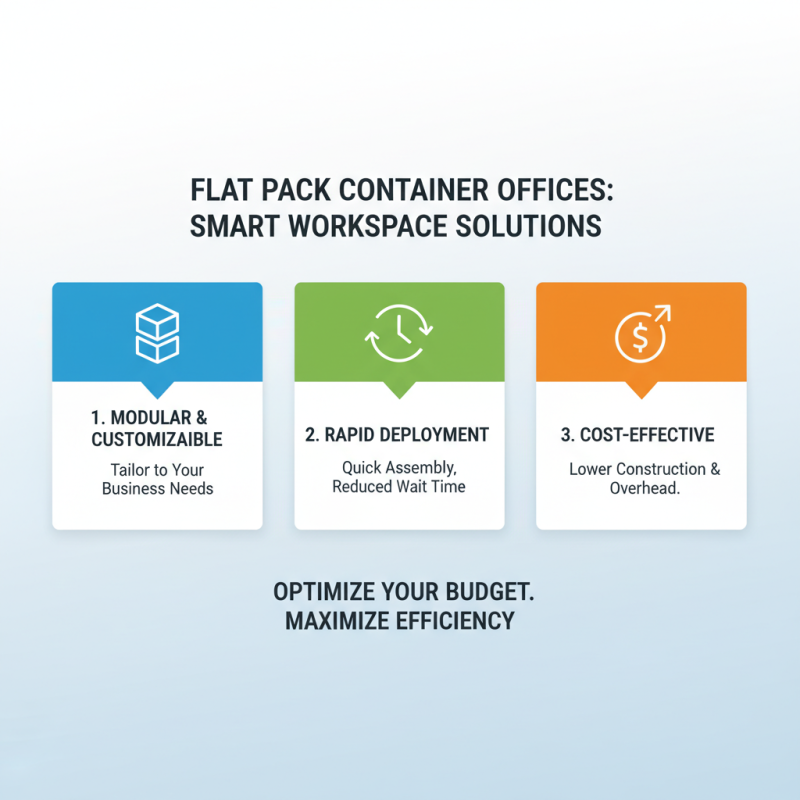
Flat pack container offices offer a compelling cost-effective solution for businesses looking to optimize their workspace. The modular nature of these offices allows for significant savings in construction costs and time. Unlike traditional office buildings that require extensive planning, permits, and long construction periods, flat pack container offices can be quickly assembled and customized to meet specific needs. This rapid deployment reduces overhead expenses, enabling businesses to allocate their budgets more efficiently.
Furthermore, the flexibility of flat pack container offices contributes to their cost-effectiveness. Organizations can easily modify or expand their workspace as needed, responding swiftly to market demands or operational changes without incurring large expenses. They offer a practical alternative to conventional leasing options, eliminating the financial burden of long-term commitments and maintenance fees. By choosing flat pack container offices, businesses not only save on initial investment but also gain the ability to adapt to their evolving needs without significant financial strain.
Flexibility and Customization Options for Modern Workspaces
Flat pack container offices are becoming increasingly popular in modern workspaces due to their remarkable flexibility and customization options. Recent studies show that nearly 67% of companies are exploring modular office solutions to enhance operational efficiency and reduce workplace costs. These container offices can be tailored to meet specific needs, allowing businesses to design workspaces that reflect their unique culture and requirements. Whether it’s creating open-plan layouts for collaborative teams or setting up quiet zones for focused work, flat pack containers adapt seamlessly to varying demands.
Moreover, one of the key advantages of these offices is their ability to be easily modified or expanded. According to a report by the International Organization for Standardization (ISO), the modular construction market is projected to reach $157 billion by 2025, driven primarily by the increasing need for dynamic workspace solutions. Businesses can quickly adjust their office layout based on changing personnel needs or project requirements, minimizing downtime and disruption. This adaptability not only enhances worker satisfaction but also boosts productivity, as teams can work in environments that are optimized for their specific tasks.
Top 10 Benefits of Flat Pack Container Offices for Modern Workspaces
| Benefit |
Description |
Flexibility Level |
Customization Options |
| Cost-Effective |
Lower upfront costs compared to traditional office spaces. |
High |
Various sizes available to fit budget. |
| Sustainability |
Eco-friendly building materials can be used. |
Medium |
Custom eco-friendly features available. |
| Quick Installation |
Rapid setup time reduces downtime. |
High |
Tailored design available for immediate needs. |
| Mobility |
Can be relocated easily as needs change. |
High |
Configurable layouts for various functions. |
| Scalability |
Easily expand office space as needed. |
High |
Expandable modules can be added. |
| Diverse Use Cases |
Suitable for offices, cafes, workshops, and more. |
Medium |
Custom interiors for different use cases. |
| Health and Safety |
Ample ventilation and separation promote a healthy work environment. |
Medium |
Custom safety features available. |
| Modern Aesthetics |
Contemporary designs fit modern branding. |
High |
Customization in exterior and interior design. |
| Affordable Maintenance |
Lower maintenance costs compared to traditional structures. |
High |
Simple upgrades and enhancements available. |
Sustainability Advantages of Using Flat Pack Container Offices
The increasing emphasis on sustainability in modern workspaces has led to innovative solutions such as flat pack container offices. These structures not only offer a practical alternative to traditional office spaces but also align with global sustainability goals. According to a recent report from the Global Sustainability Institute, reducing material usage in construction by utilizing pre-fabricated structures can lower carbon emissions by up to 40%. This makes flat pack container offices a compelling choice for businesses aiming to minimize their ecological footprint while maximizing efficiency.
Additionally, flat pack container offices promote a circular economy by facilitating modular construction practices. The World Green Building Council highlights that modular buildings can be disassembled and reconfigured, significantly decreasing waste compared to conventional construction methods. Further, these offices can be built using recycled materials, contributing to resource conservation. A study by the U.S. Green Building Council found that sustainable office spaces can lead to a 20% increase in productivity and a corresponding 30% decrease in operating costs. This shows that investing in flat pack container offices not only supports sustainability but also enhances overall business performance.
Rapid Deployment and Installation of Flat Pack Container Offices
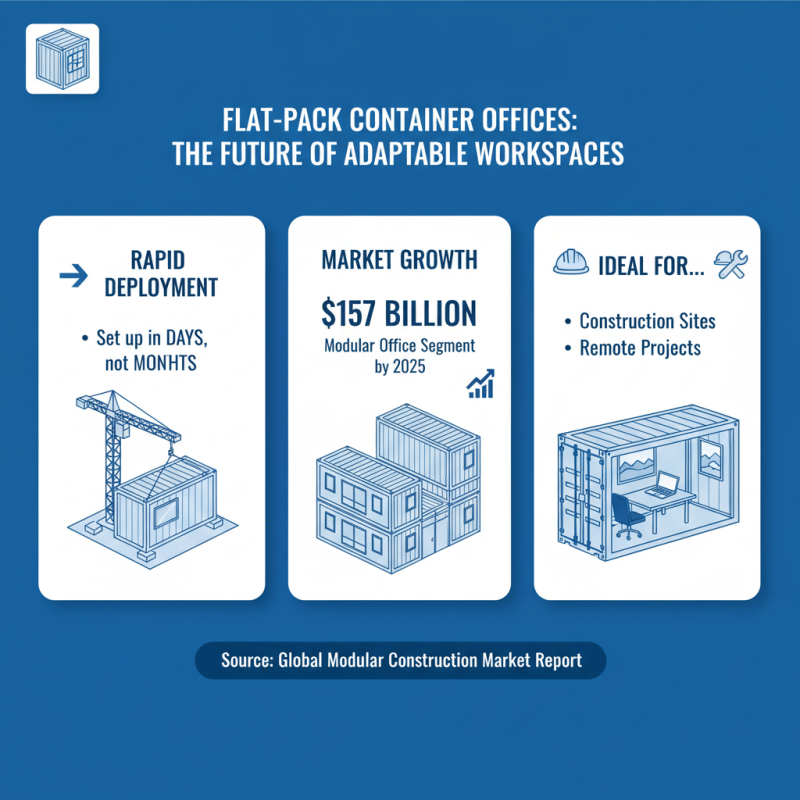
Flat pack container offices have gained significant traction among modern workspaces, primarily due to their rapid deployment and installation capabilities. According to a recent industry report by the Global Modular Construction Market, the modular office segment is projected to reach $157 billion by 2025, showcasing a growing preference for adaptable work environments. The ability to set up these offices within days rather than months makes them an attractive option for businesses needing swift solutions, especially in construction and remote project sites where flexibility is crucial.
One of the key advantages of flat pack container offices is that they are pre-fabricated and designed for easy assembly. This not only reduces the time required for installation but also minimizes disruption to ongoing operations. Data from the Modular Building Institute indicates that these container offices can be assembled up to 50% faster than traditional building methods. Additionally, many container offices are portable, allowing businesses to relocate them as needed without extensive logistical challenges.
**Tips**: When considering flat pack container offices, always evaluate your specific space requirements and future scalability. Ensure you check local regulations regarding permits and zoning to avoid any potential complications. Opting for sustainable materials during the assembly process can also enhance your office's environmental footprint, making it a wise investment in today's eco-conscious market.