Explore the Benefits of Glass Container House for Sustainable Living?
The concept of the "Glass Container House" is gaining traction in sustainable living. Renowned architect John Smith emphasizes, "These homes blend innovation with eco-friendliness." His work sheds light on how such houses can minimize environmental impact while providing modern aesthetics.
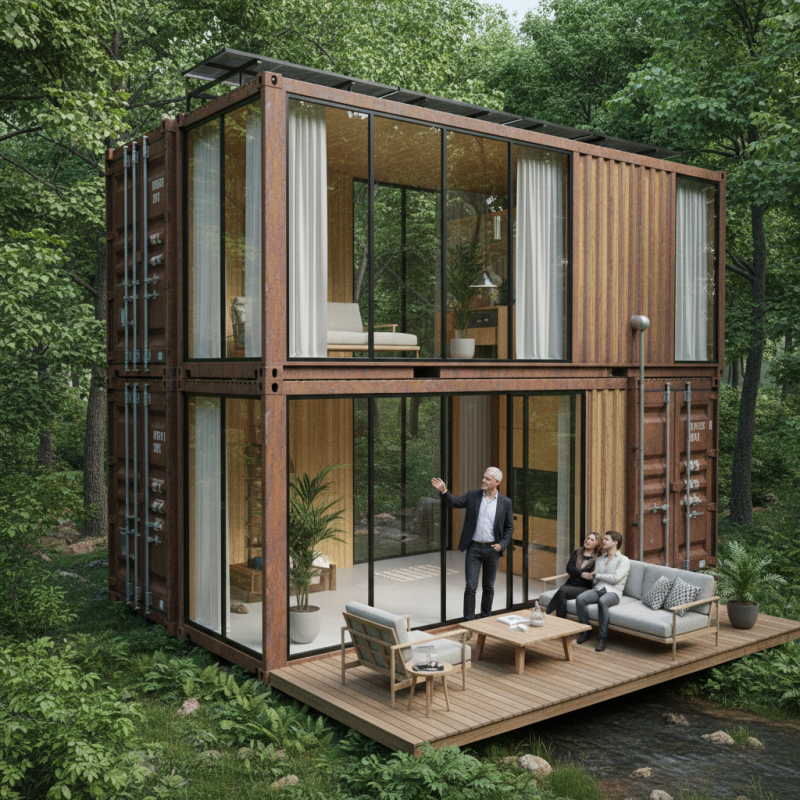
A Glass Container House utilizes repurposed materials, significantly reducing construction waste. Its transparent walls invite natural light, decreasing energy consumption. This unique design encourages a strong connection to nature. People who live in these homes appreciate the open spaces and views they provide. However, these structures may face challenges in insulation and privacy.
While the allure of minimalism is strong, some homeowners reflect on the balance between style and functionality. Embracing the challenges of a Glass Container House fosters a deeper understanding of sustainable living, pushing many to rethink their desires and needs. This journey is not merely about adopting a trend but about cultivating a lifestyle that respects our planet and resources.
Benefits of Glass Container Houses in Sustainable Living
Glass container houses offer innovative solutions for sustainable living. These structures utilize repurposed shipping containers and large glass panels to create energy-efficient homes. Industry reports indicate that container homes can reduce construction waste by up to 80%. This significant reduction supports a more sustainable approach to building.
The use of glass in these houses enhances natural light. Daylighting reduces the reliance on artificial lighting, thereby cutting energy costs. A study from the U.S. Department of Energy notes that maximizing natural light can lower energy consumption by up to 30%. However, it's important to consider the climate; certain regions may require additional cooling or heating, which could offset some energy savings.
An aspect worth reflecting on is the insulation and temperature control in glass container houses. While glass provides aesthetic appeal and energy efficiency, it can lead to heat loss or gain. Homeowners might struggle with maintaining comfortable indoor temperatures. Balancing design and practicality is crucial for achieving optimal sustainability. Embracing the strengths of glass container houses involves addressing these challenges head-on.
Eco-Friendly Design Features of Glass Container Houses
Glass container houses are gaining popularity due to their eco-friendly design features. These structures use recycled materials, reducing waste in construction. Glass is abundant and allows natural light to flood in, minimizing the need for artificial lighting. However, temperature control can be a challenge. Without proper insulation, heating and cooling costs may rise.
Sustainable living is more than just green materials. These homes often incorporate energy-efficient technologies. Solar panels and rainwater harvesting systems are common additions. They help reduce reliance on non-renewable resources. Yet, the initial setup can require a significant investment. Homeowners should consider their long-term savings against these upfront costs.
The aesthetic appeal of glass container houses is undeniable. They blend modern design with functionality. Wide openings create a seamless connection with nature. Yet, the transparency can limit privacy. Over time, owners might need to rethink their landscaping and window treatments to maintain comfort. Balancing style and sustainability is key in fully enjoying the benefits of this innovative living space.
Benefits of Glass Container Houses for Sustainable Living
Energy Efficiency and Natural Light in Glass Container Homes
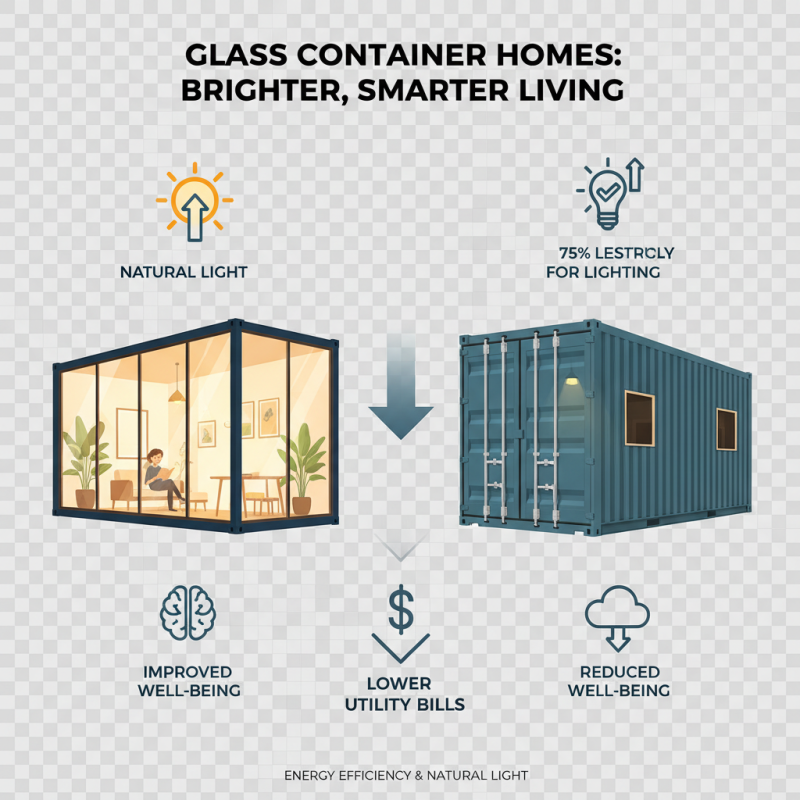
Glass container homes are an innovative solution for sustainable living. One major benefit lies in their natural light and energy efficiency. These homes often feature large glass windows that allow sunlight to flood the interior. Reports suggest that daylighting can reduce electricity use for lighting by up to 75%. This feature not only lowers energy bills but also enhances mental well-being.
However, the design presents challenges. While glass maximizes light, it can also lead to overheating during summer months. Homeowners may need to invest in shades or films to mitigate heat gain. This can sometimes offset the initial energy savings. Additionally, maintenance of glass surfaces can be labor-intensive, requiring regular cleaning to maintain optimal performance.
Despite these shortcomings, glass container homes hold considerable potential. The use of recycled materials in their construction contributes to sustainability. Furthermore, they can be designed to incorporate green roofs and rainwater collection systems. Such features support the efficient use of resources and align with eco-friendly living. The overall trend towards this type of housing reflects a growing awareness of environmental issues.
Sustainable Materials and Construction Practices for Glass Structures
Sustainable living increasingly relies on innovative materials and construction methods.
Glass container houses represent a unique approach.
These homes are not just visually striking; they also utilize eco-friendly practices.
Using recycled glass reduces waste significantly.
This practice minimizes the carbon footprint associated with new materials.
Furthermore, the transparency of glass allows natural light to flood the space, reducing dependency on artificial lighting.
However, insulation can be challenging, requiring careful planning.
Effective energy solutions are necessary to maintain comfort year-round.
The architectural design of glass structures often emphasizes an open lifestyle.
While this can foster a connection with nature, privacy remains a concern.
Adopting strategies like strategic landscaping can help balance exposure and seclusion.
Builders must also consider the local climate.
The choice of glass type and placement can optimize energy efficiency, but it requires expertise and thoughtful consideration.
Community and Lifestyle Impacts of Living in Glass Container Houses
Living in glass container houses significantly influences community dynamics and personal lifestyles. These innovative homes foster connections among residents. The transparency of glass structures encourages social interaction, as neighbors can easily engage. A study by the American Institute of Architects highlights that open, visible spaces enhance community relationships and trust.
However, challenges such as privacy concerns arise. The very design that promotes openness might lead to discomfort for some inhabitants. Individuals living in glass homes need to navigate this balance. On top of that, glass structures require efficient climate control. This necessity can elevate energy costs in extreme weather conditions, impacting sustainability goals.
**Tips:** Consider window treatments or strategic landscaping for privacy. Use energy-efficient systems to maintain comfortable indoor climates. Think about shared spaces for community gatherings, enriching the living experience in these unique homes. Glass container houses can epitomize modern living, but they demand consideration of personal and environmental factors.
Explore the Benefits of Glass Container House for Sustainable Living
| Benefit |
Description |
Impact on Community |
| Energy Efficiency |
Glass container houses utilize natural light, reducing the need for artificial lighting. |
Promotes lower energy consumption in the community. |
| Sustainability |
Made from recycled materials, these houses contribute to waste reduction. |
Encourages eco-friendly practices within the community. |
| Aesthetic Appeal |
Modern design provides a unique and artistic living space. |
Enhances the visual landscape of the neighborhood. |
| Affordability |
Lower construction costs compared to traditional homes. |
Increases accessibility to housing for lower-income families. |
| Community Engagement |
Encourages community projects and workshops on sustainable living. |
Fosters a sense of community and collaboration among residents. |