Top Benefits of Living in an Iso Container House for Sustainable Living
In recent years, sustainable living has gained traction as more people seek eco-friendly alternatives to traditional housing. One notable solution that has emerged is the Iso Container House, which repurposes shipping containers into stylish and efficient living spaces. According to industry expert Dr. Emily Green, a leading architect specializing in sustainable design, "The Iso Container House represents a revolution in how we think about home construction, merging comfort with environmental responsibility."
These innovative dwellings not only minimize waste but also utilize materials that are often overlooked in conventional building methods. By transforming discarded containers into well-designed homes, residents can significantly reduce their carbon footprint while enjoying the benefits of modern architecture. The Iso Container House also offers flexibility in design and functionality, catering to diverse lifestyles and preferences.
In this article, we will explore the top benefits of living in an Iso Container House, examining its eco-friendly features and the lifestyle enhancements it provides. As we delve into the topic, it becomes clear that the Iso Container House is more than just a trend; it is a sustainable solution for those committed to environmentally conscious living.
Advantages of Eco-Friendly Design in Iso Container Houses
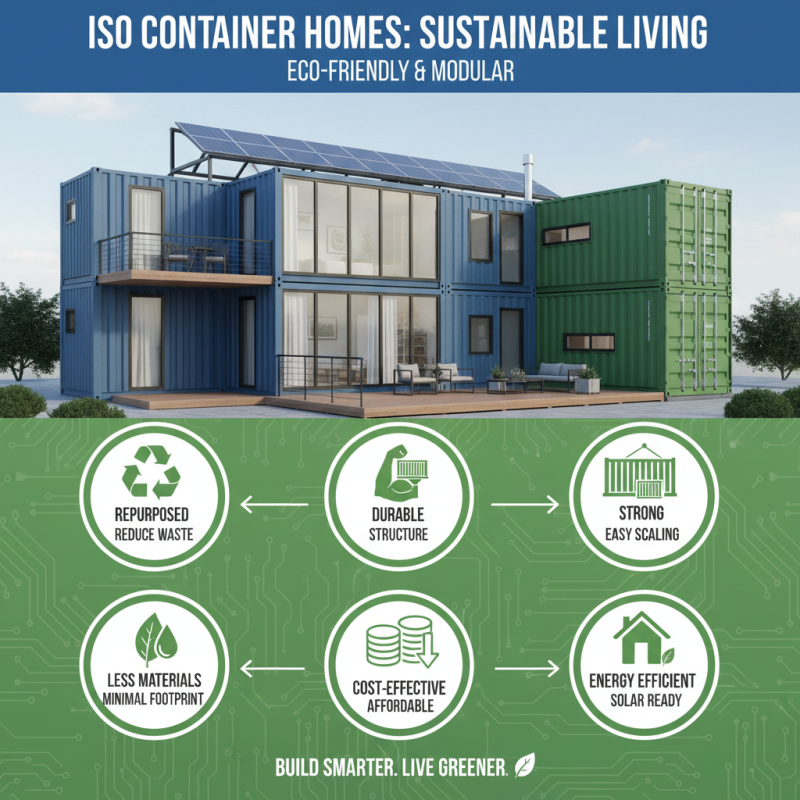
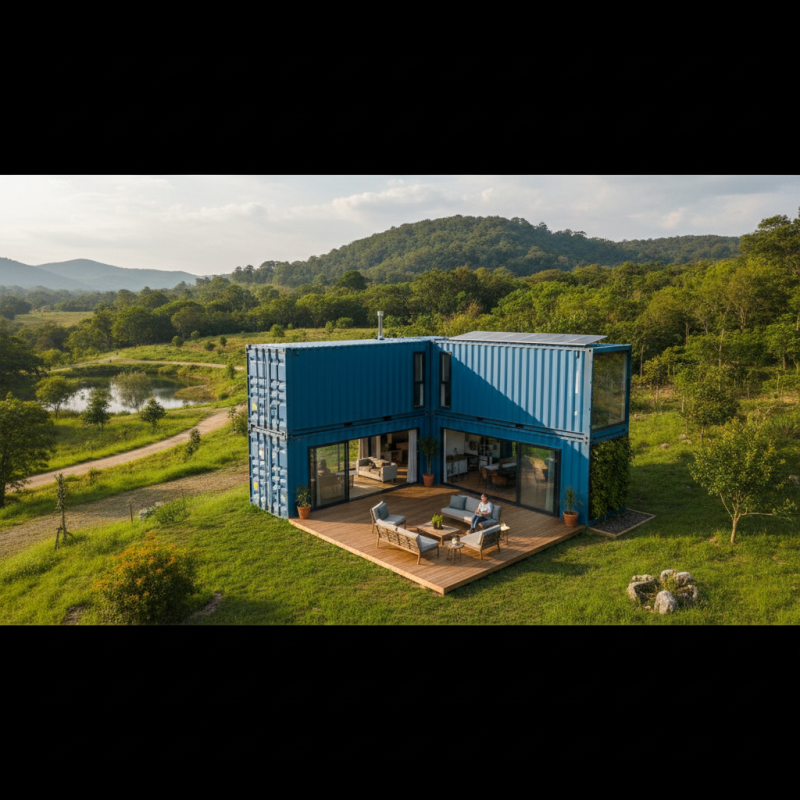
Iso container houses are gaining popularity as a sustainable living solution due to their eco-friendly design. These structures are primarily constructed from repurposed shipping containers, making them an excellent choice for reducing waste and promoting recycling. The inherent strength and durability of these containers contribute to a lower material requirement compared to traditional building methods. Additionally, their modular nature allows for easy scaling, whether you're looking to create a single-family home or a larger community.
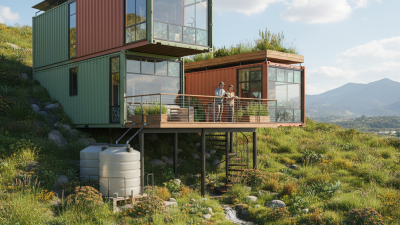
Incorporating energy-efficient systems into iso container houses can significantly enhance their sustainability. Solar panels, rainwater harvesting systems, and composting toilets are just a few examples of eco-friendly features that can minimize the home's environmental footprint. Furthermore, the compact design of container homes means that they naturally require less energy for heating and cooling, making them not just sustainable, but cost-effective as well.
**Tips:** When designing or purchasing an iso container house, consider integrating green roofs or walls, which can improve insulation and promote biodiversity. Additionally, using non-toxic materials for interior finishes will ensure a healthier living environment. Lastly, don't overlook the importance of proper ventilation; it’s crucial for maintaining air quality and comfort in your new eco-friendly home.
Energy Efficiency and Cost Savings of Living in Iso Container Homes
Living in an iso container home presents numerous advantages in terms of energy efficiency and cost savings. A 2021 report by the U.S. Department of Energy highlights that container homes can reduce energy usage by up to 40% compared to traditional structures. This significant reduction is primarily due to their compact design and the potential for incorporating high-efficiency insulation materials, which minimizes heat loss and gain.
Moreover, the financial benefits of living in an iso container home extend beyond just energy efficiency. According to a study conducted by the National Association of Home Builders, homebuyers can save approximately 20-30% on construction costs when opting for alternative building methods, including repurposed shipping containers. This savings is echoed in the reduction of utility bills, as energy-efficient appliances and renewable energy systems, such as solar panels, can be seamlessly integrated into the design of container homes. Overall, these factors make iso container living a compelling choice for those pursuing a more sustainable lifestyle while also enjoying substantial economic advantages.
Simplicity and Minimalism: The Allure of Container House Living
The allure of container house living lies in its embrace of simplicity and minimalism, a philosophy that resonates with those seeking to declutter their lives while enhancing their connection to the environment. By repurposing shipping containers, individuals can create homes that prioritize essential needs over excess. This minimalist approach not only reduces the ecological footprint but also fosters a lifestyle that values experiences over possessions. The clean lines and rugged aesthetic of container homes evoke a sense of authenticity, inviting residents to appreciate the beauty of functionality and efficient design.
Moreover, living in a container house encourages intentional living, as individuals are prompted to make conscious choices about what they truly need. The compact nature of these homes inspires creativity in organization and space utilization, allowing for a seamless integration of modern amenities within a smaller footprint. This shift towards sustainable living not only benefits the planet but also nurtures mental well-being, as the absence of clutter often correlates with reduced stress levels. Embracing the simplicity of container living can lead to a more fulfilling life, where every item and experience is cherished, and sustainability takes center stage.
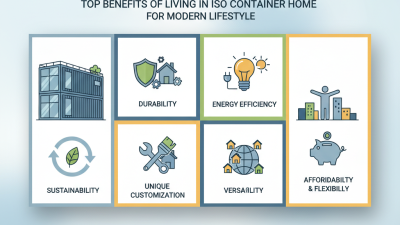
Top Benefits of Living in an Iso Container House for Sustainable Living
| Benefit |
Description |
Sustainability Aspect |
| Cost Efficiency |
Lower initial investment compared to traditional homes. |
Reduces financial strain, encouraging sustainable choices. |
| Durability |
Made from strong materials, resistant to harsh weather. |
Lowers the need for frequent replacements or repairs. |
| Mobility |
Can be relocated easily if needed. |
Encourages flexible living arrangements without permanence. |
| Minimal Waste |
Utilizes recycled materials, reducing landfill burden. |
Promotes a circular economy in construction. |
| Energy Efficiency |
Easily equipped with solar panels and green technologies. |
Reduces reliance on non-renewable energy sources. |
Flexibility and Mobility Benefits of Iso Container Housing
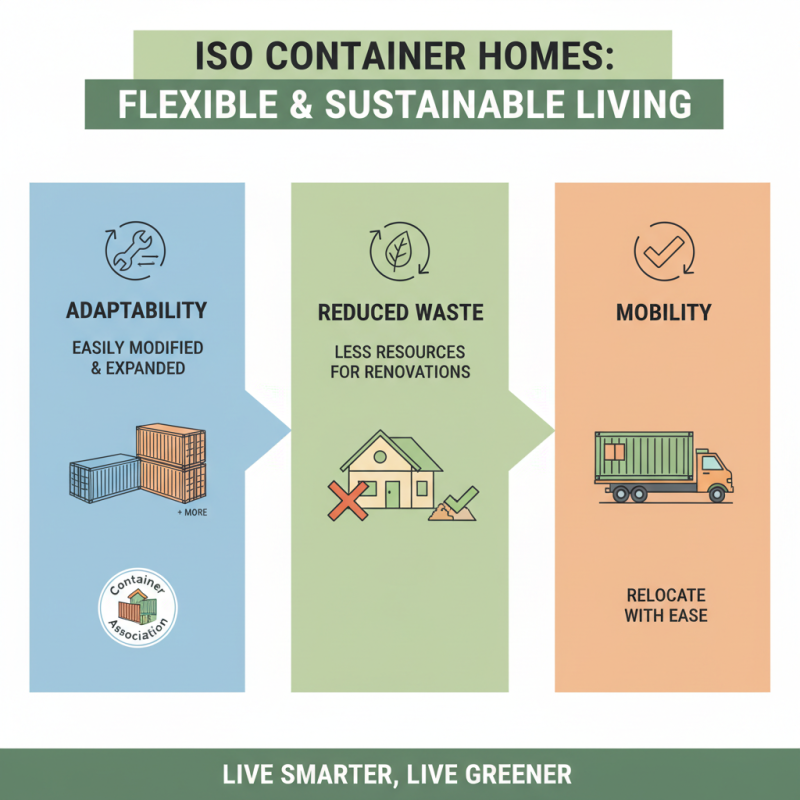
Iso container houses offer remarkable flexibility and mobility that align perfectly with the principles of sustainable living. One of the most appealing aspects is their inherent adaptability. According to a report from the Container Housing Association, these structures can be easily modified or expanded, allowing homeowners to tailor their living spaces to fit their evolving needs. This adaptability not only enhances personal comfort but also reduces waste, as fewer resources are needed for future renovations or expansions compared to traditional homes.
Moreover, the mobility of iso container houses enables a lifestyle that is both transient and environmentally responsible. Research from the Global Institute of Sustainable Housing indicates that the ability to relocate these homes significantly lowers the ecological footprint associated with construction and demolition. Families can transport their living space to different locations, minimizing the environmental impact of building new structures from scratch. This mobility aspect also caters to diverse living situations, such as remote work or personal travel, while still prioritizing sustainability as a core value. By embracing these innovative housing solutions, individuals can achieve an adaptable, responsible lifestyle that aligns with their values of sustainability and mobility.
Environmental Impact: Reducing Waste and Carbon Footprint with Iso Containers
Living in an iso container house offers a unique approach to sustainable living, particularly in its significant contribution to reducing waste and minimizing carbon footprints. The use of repurposed shipping containers aligns perfectly with eco-friendly practices, as it transforms materials that would otherwise contribute to landfill overflows into living spaces. By choosing iso containers, individuals actively participate in recycling efforts, breathing new life into strong, durable steel structures while mitigating the environmental costs associated with traditional construction.
Moreover, iso container houses are typically designed to be energy efficient, often incorporating sustainable technologies such as solar panels and rainwater harvesting systems. This integration reduces reliance on fossil fuels and lowers energy consumption, further diminishing an individual's carbon footprint. The compact nature of these homes promotes a simpler lifestyle, encouraging residents to be mindful of their resource usage and waste production. By creating smaller living spaces, people can adopt a more sustainable standard of living, embracing minimalism and fostering an environment that prioritizes ecological balance.
Top Benefits of Living in an Iso Container House for Sustainable Living