Top 10 Benefits of Multiple Container Houses for Modern Living Solutions
In today's rapidly evolving architectural landscape, the
"Multiple Container House" concept has emerged as a leading solution for modern living.
As urban populations swell and the demand for affordable housing rises, these innovative structures offer a versatile and sustainable alternative.
Renowned architect and container home expert, Dr. Emma Harrington, states,
"Multiple Container Houses not only redefine our approach to space but also champion sustainability and adaptability in the face of urban challenges."
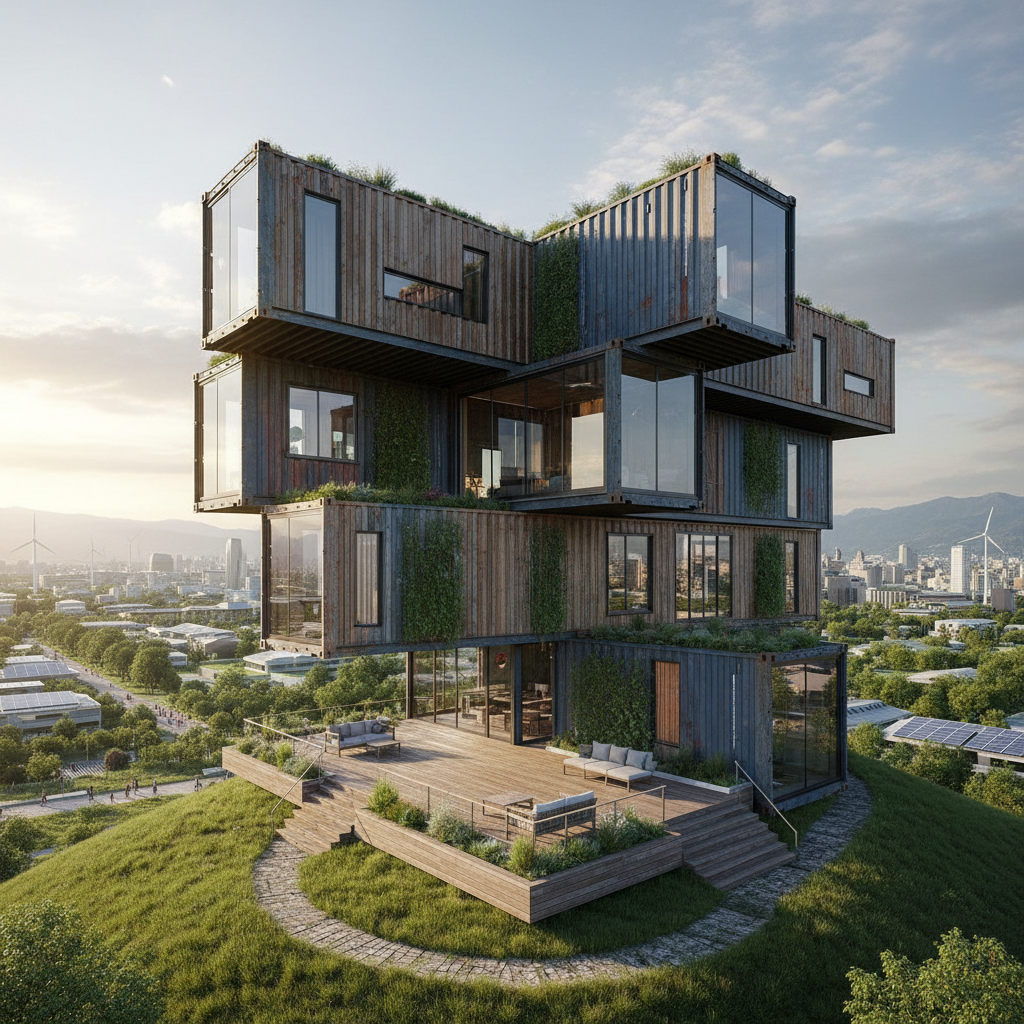
This ingenuity allows for the efficient use of resources, enabling homeowners to create dynamic living environments tailored to their needs while minimizing their ecological footprint.
The modular nature of the Multiple Container House promotes flexibility, allowing for various configurations and designs, making it suitable for diverse lifestyles.
Furthermore, the economic advantages of using repurposed shipping containers make this option increasingly attractive in a market facing affordability issues.
In exploring the top ten benefits of Multiple Container Houses, it becomes evident that they represent more than just housing;
they symbolize a progressive shift in how we think about living, sustainability, and community development.
This introduction sets the stage for a deeper examination of how
Multiple Container Houses can meet the challenges of modern living while offering unparalleled opportunities for creative expression and environmental responsibility.
Advantages of Flexibility and Adaptability in Container Housing
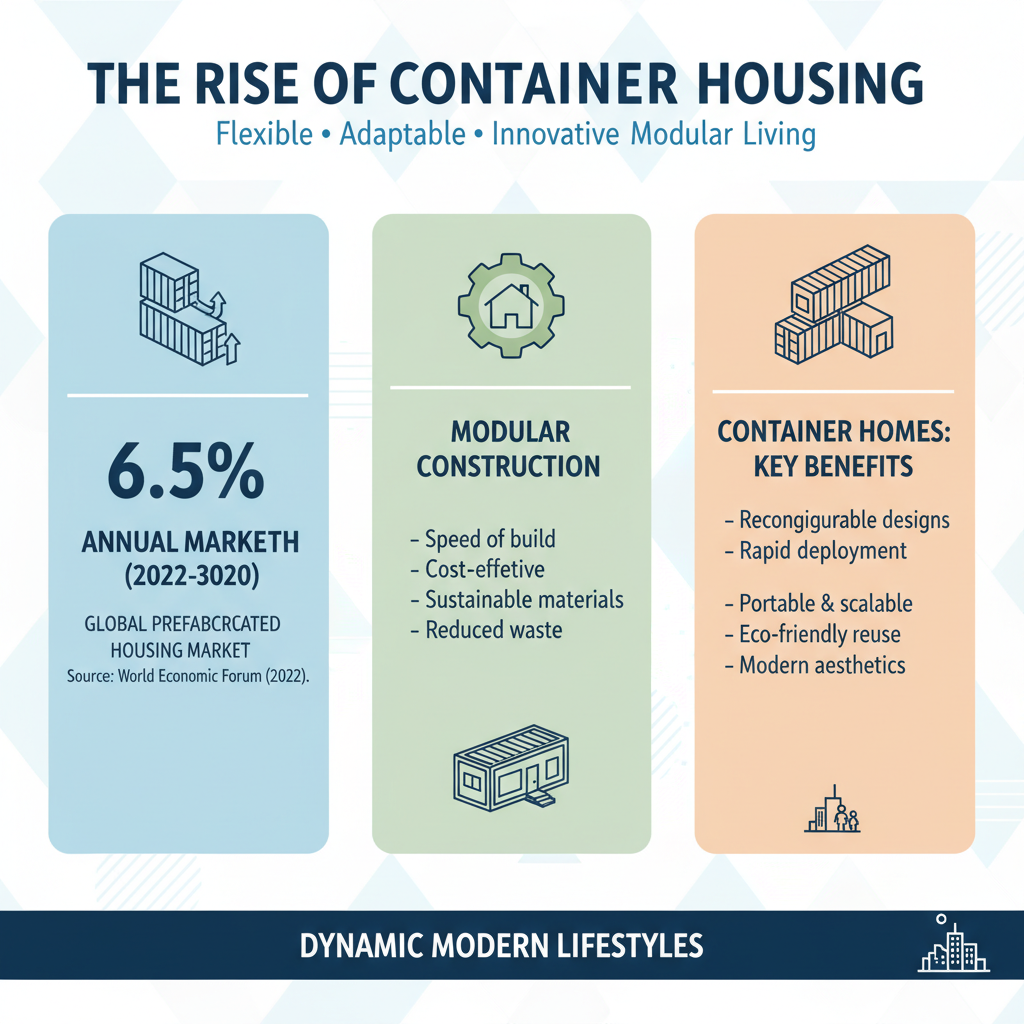
The concept of container housing has gained significant traction in recent years, primarily due to its inherent flexibility and adaptability. According to a 2022 report by the World Economic Forum, the global prefabricated housing market has been projected to grow by 6.5% annually, primarily driven by innovations in modular construction. Container homes are an excellent representation of this trend, as they can be reconfigured and repurposed based on changing needs, making them ideal for dynamic modern lifestyles.
Flexibility is one of the key advantages of container housing. Builders can easily combine multiple containers to create a larger living space or modify existing structures to reflect personal preferences and environmental demands. A study published in the International Journal of Engineering and Technology (2021) indicated that container houses can significantly reduce site preparation time and costs by 30%, and their modular nature allows for quicker assembly and disassembly. This adaptability not only caters to individual style but also provides a sustainable solution by reducing waste and optimizing the use of materials.
Cost-Effectiveness of Building with Multiple Containers
The cost-effectiveness of building with multiple containers significantly enhances the appeal of alternative living solutions. According to a report by the World Economic Forum, the average cost of constructing a traditional home can range from $150 to $200 per square foot. In contrast, container homes can be built at approximately $75 to $100 per square foot, effectively halving construction expenses. This substantial savings can allow homeowners to allocate finances towards customization, sustainable technologies, or even additional living spaces.
Additionally, the durability and availability of shipping containers further contribute to their cost-effectiveness. Research from the Container Homes Association indicates that repurposing used containers can save up to 50% of material costs compared to conventional building materials. By utilizing existing resources, builders not only reduce expenses but also minimize their carbon footprint. Moreover, the modular nature of container homes allows for quicker assembly and reduced labor costs, with timelines being cut by as much as 30%. This efficiency is particularly beneficial in urban areas where time and space constraints are critical considerations in housing development.
Sustainability and Environmental Benefits of Container Homes
The rise of container homes is a significant step towards sustainable living, addressing both environmental concerns and housing shortages. Recent innovations in cities like Chicago highlight the versatility of shipping containers, transforming urban landscapes not only for housing but also for pop-up retail spaces. According to a report from the International Organization for Migration, using repurposed shipping containers can provide immediate, affordable solutions to the global housing crisis, as these structures can be constructed quickly with a substantially lower carbon footprint compared to traditional building methods.
Container homes exemplify sustainability in architecture, with studies indicating they can reduce construction waste by up to 90% when compared to conventional homes. The adaptability of these homes allows them to be customized for various uses, from permanent residences to temporary shelters in disaster relief scenarios. Additionally, as urban areas face increasing population density, shipping container modifications are becoming highly sought after for their efficiency, with costs starting from as low as R$46,000, making them accessible while promoting eco-friendly living practices and reducing overall energy needs.
Top 10 Benefits of Multiple Container Houses for Modern Living Solutions
| Benefit |
Description |
Environmental Impact |
| Sustainability |
Container houses utilize recycled shipping containers, reducing waste and the need for new materials. |
Decreased resource depletion and landfill waste. |
| Energy Efficiency |
Container homes can be designed for high energy efficiency using insulation and solar panels. |
Lower energy consumption reduces carbon footprint. |
| Affordability |
Container homes are often more affordable than traditional homes, providing cost-effective living solutions. |
Accessibility to housing can reduce urban sprawl. |
| Modular Flexibility |
Multiple container houses can be arranged in various configurations, allowing for customized layouts. |
Encourages efficient land use and tailored living spaces. |
| Quick Construction |
Container homes can be constructed quickly compared to traditional building methods. |
Less time on construction leads to minimized environmental disruption. |
| Durability |
Shipping containers are designed to withstand harsh elements, ensuring longevity. |
Reduced need for repairs or replacements, conserving resources. |
| Mobility |
Container homes can be relocated easily, providing flexibility for homeowners. |
Encourages adaptive reuse of land and minimizes permanent footprints. |
| Innovative Design |
Architects are exploring creative designs that leverage container architecture for unique homes. |
Promotes sustainable design practices in architecture. |
| Community Building |
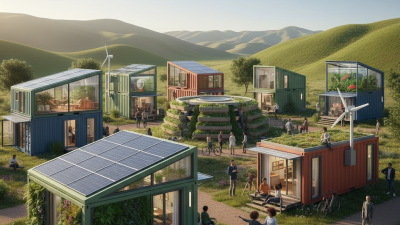
Container homes can be arranged in clusters, fostering tight-knit communities. |
Encourages social interaction and shared resources, reducing environmental impact. |
| Low Maintenance |
Container homes require less maintenance compared to traditional homes due to their robust materials. |
Saves on repair materials and labor, preserving resources. |
Efficient Use of Space in Modern Urban Living with Containers
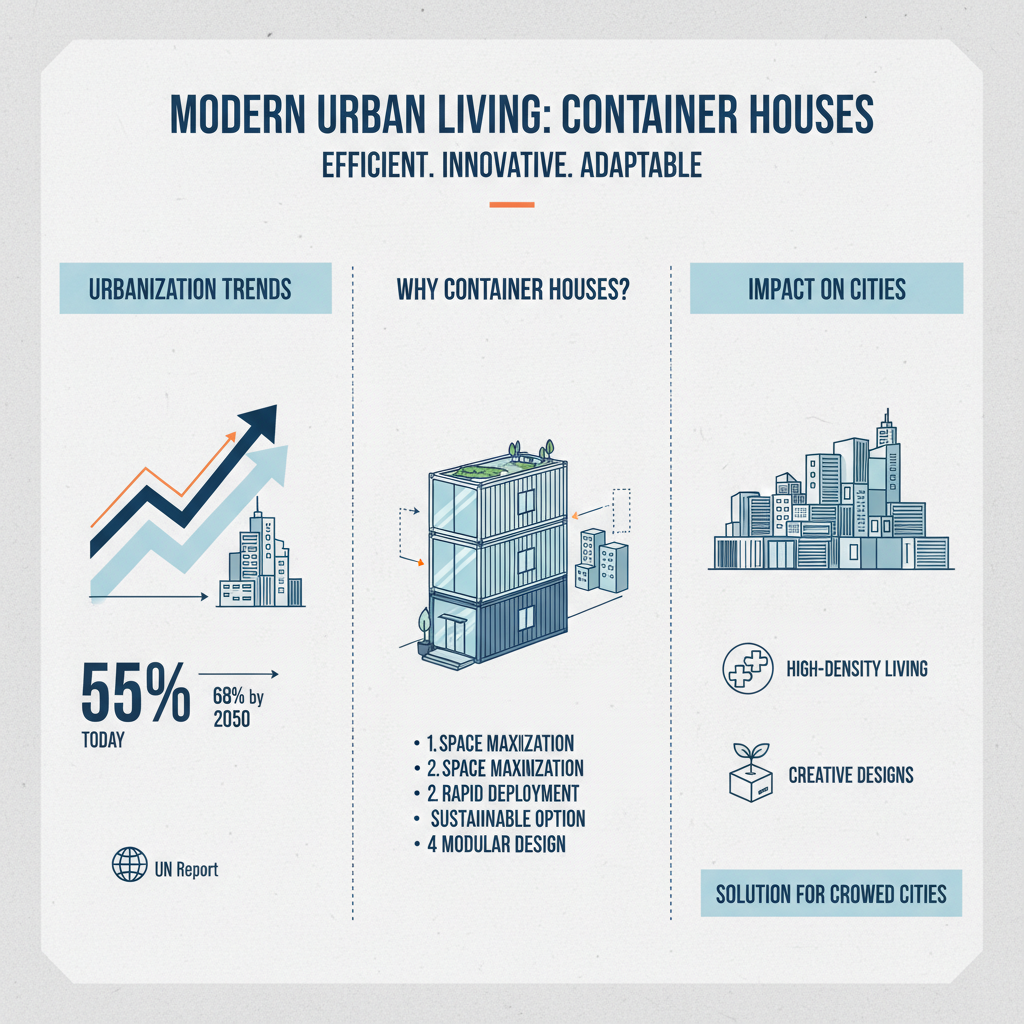
In the context of modern urban living, the efficient use of space is paramount, especially as cities become increasingly crowded. According to a report by the United Nations,
55% of the world's population now lives in urban areas, a figure expected to rise to 68% by 2050. This rapid urbanization necessitates
innovative housing solutions, and multiple container houses are emerging as a formidable option. These structures not only provide a practical solution for high-density living but also maximize available space,
allowing for creative designs that can fit seamlessly into compact city environments.
Container houses utilize standard shipping containers, each offering around 160 square feet of livable space. By stacking and arranging these containers, architects can create multi-level housing units
that optimize vertical space while preserving ground area for communal use or green spaces. Additionally, a study by the Green Building Council indicates that container homes can reduce construction waste by up to
90%, making them an environmentally friendly choice. This sustainable approach aligns with urban initiatives aiming to create greener cities while providing
quality living spaces that cater to the growing population.
Enhanced Aesthetic Options and Customization for Container Houses
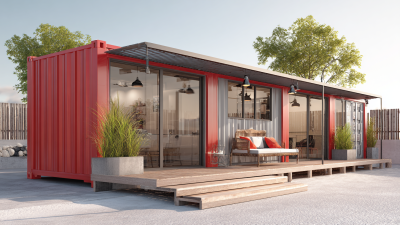
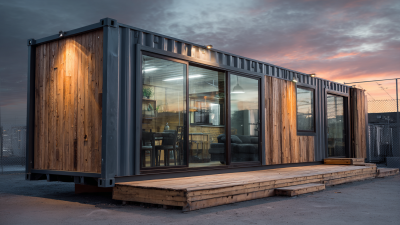
When it comes to modern living solutions, container houses stand out not only for their sustainability but also for their enhanced aesthetic options and customization. Recent studies indicate that the container home market is projected to grow by 20% annually, as more homeowners seek versatile and visually appealing designs. This growth is largely driven by advancements in architectural technology, which allow for unique configurations and finishes. From vibrant color schemes to eco-friendly materials, container houses offer a canvas for personal expression that traditional homes may lack.
To maximize the aesthetic potential of a container home, consider integrating modular designs that harmonize with the surrounding environment. Incorporating elements like green roofs, large windows, and outdoor spaces can dramatically enhance visual appeal and functionality. According to the Container Housing Research Institute, nearly 70% of potential buyers prioritize aesthetic customization when choosing a container home. This finding underscores the importance of considering visual impact during the design phase.
**Tip**: When designing your container house, think about the landscape as an extension of your living space. Use natural materials and plants to create a seamless transition between indoors and outdoors, enhancing both beauty and sustainability.
Additionally, personalization through interior design is essential. Utilizing multifunctional furniture and open floor plans can create a spacious feel, while allowing for easy modifications as your lifestyle changes. Statistics from the National Association of Home Builders indicate that 85% of homeowners value adaptability in design, highlighting the need for creativity in container house customization.
**Tip**: Embrace local craftsmanship to add unique touches to your container home, supporting your community while ensuring distinctiveness in your living space.