Top 10 Benefits of Using Temporary Classrooms for Schools?
In recent years, the demand for effective learning environments has increased dramatically. Schools face various challenges, from overcrowding to the need for quick expansions. One solution that has gained traction is the use of Temporary Classrooms. According to a report by the National Center for Education Statistics, approximately 14% of public school students attend schools that experience overcrowding. This situation necessitates innovative solutions to maintain quality education.
Temporary Classrooms offer flexible and immediate responses to these challenges. They can be set up rapidly, allowing schools to adjust to fluctuating student populations. A study from the Modular Building Institute reveals that using temporary structures can reduce construction time by up to 50%. This efficiency helps to alleviate pressure on existing facilities.
However, while Temporary Classrooms present significant advantages, they are not without drawbacks. Concerns about the longevity and climate control in these structures may arise. Schools must ensure that these temporary solutions meet educational standards. By addressing these issues, educators can make informed decisions that benefit student learning experiences while navigating the complexities of facility management.
Advantages of Temporary Classrooms in Addressing School Overcrowding
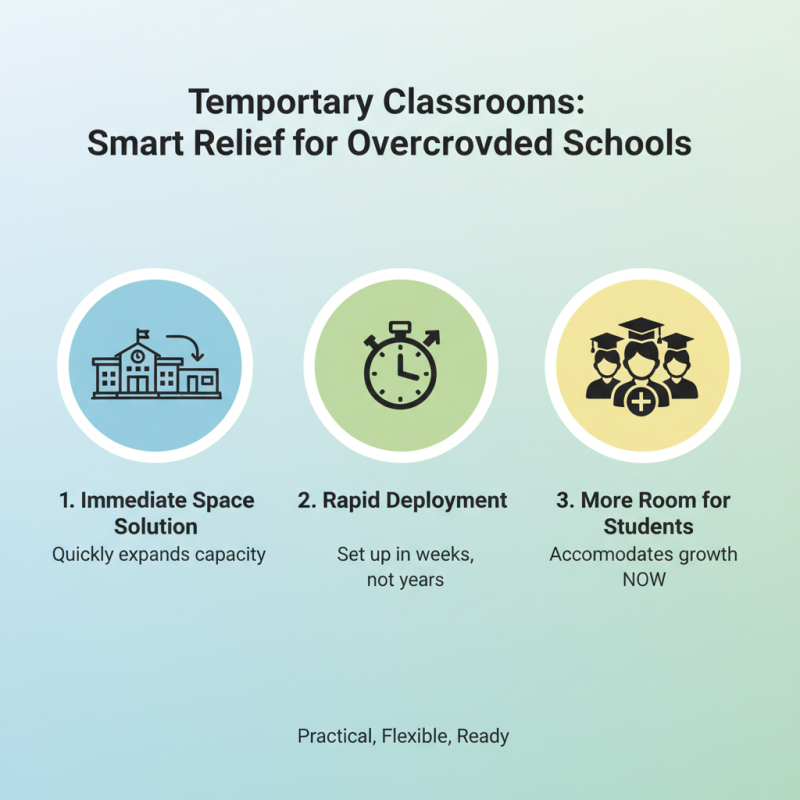
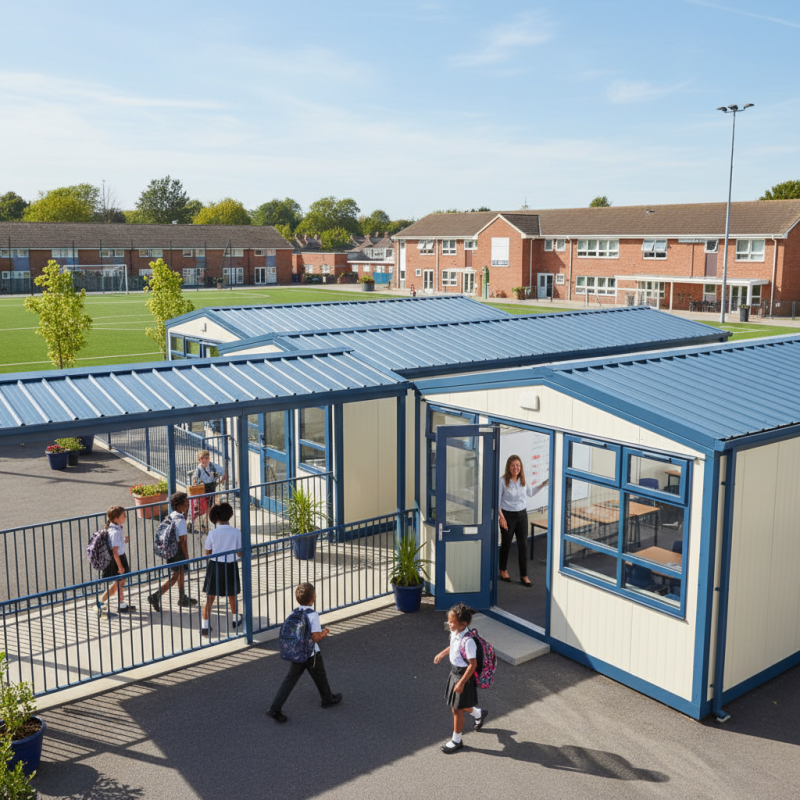
Temporary classrooms offer a practical solution for schools facing overcrowding. These structures provide immediate relief by maximizing available space. They can be set up quickly, allowing schools to accommodate more students without the long wait associated with permanent construction.
The flexibility of temporary classrooms is another significant advantage. They can be relocated or repurposed as enrollment numbers change. This adaptability is crucial for schools that frequently experience fluctuations in student populations. However, it’s essential to address concerns about the long-term impact on the learning environment. Some temporary classrooms may lack sufficient insulation or adequate facilities.
Despite these drawbacks, temporary classrooms can foster engagement. With innovative designs, they can create a stimulating atmosphere for learning. Educators can use creative layouts to make the most of limited space. Still, ongoing evaluations are needed to ensure these solutions are effectively meeting students’ needs. The goal should always be a supportive learning environment for every child.
Flexibility and Adaptability of Temporary Classrooms for Diverse Needs
Temporary classrooms provide an innovative solution for educational needs. Their flexibility makes them ideal for various situations. A report by the National Institute of Education highlights that 60% of schools face overcrowding issues. Temporary classrooms can be deployed quickly to alleviate this stress on existing facilities.
These structures can be customized to suit specific programs. For instance, schools may need spaces for STEM labs, art classrooms, or special education. A study from the Association of School Administrators states that 40% of districts utilize temporary spaces for personalized learning environments. This adaptability allows schools to respond dynamically to changing educational demands.
However, schools must consider the long-term implications. While temporary classrooms solve immediate issues, maintaining quality is essential. Some reports indicate that temporary classrooms might lack amenities found in permanent structures. Addressing these shortcomings is crucial for ensuring a conducive learning environment. Balancing immediate needs with long-term goals is vital in strategic planning.
Cost-Effectiveness of Implementing Temporary Classrooms in Education
The cost-effectiveness of temporary classrooms in education is becoming increasingly vital. Schools face constant pressure to manage budgets while providing adequate space for students. A recent report from the National Center for Education Statistics indicates that school construction costs have risen by 25% over the last decade. This has led many districts to consider temporary classrooms as a viable solution.
Temporary classrooms typically cost up to 50% less than traditional structures. A study by the National School Boards Association shows that these modular units can be set up within weeks, not months. This rapid deployment allows schools to address overcrowding quickly. Moreover, schools can save on maintenance costs since these units often require less upkeep than permanent buildings. However, some educators worry about the quality of education in temporary settings.
There are mixed opinions on the effectiveness of temporary classrooms. Some educators claim that these spaces can feel less engaging compared to traditional classrooms. Research shows that student performance can be affected by the learning environment. Yet, when designed well, temporary classrooms can still provide functional learning spaces, ensuring that educational needs are met. Balancing costs and quality remains a challenge for many institutions, prompting ongoing discussions about the future of educational infrastructure.
Top 10 Benefits of Using Temporary Classrooms for Schools
| Benefit |
Description |
Cost-Effectiveness Score (1-10) |
| Flexibility |
Easily adjust classroom size and layout based on current needs. |
9 |
| Quick Setup |
Rapid construction and installation compared to permanent structures. |
8 |
| Cost Savings |
Lower initial and maintenance costs than traditional classrooms. |
10 |
| Portability |
Ability to move classrooms to different locations as needed. |
7 |
| Innovation |
Encourages modern learning environments that inspire creativity. |
8 |
| Reduced Disruption |
Minimizes disruption during construction of permanent facilities. |
9 |
| Meeting Temporary Needs |
Addresses sudden increases in student population or needs. |
10 |
| Environmental Considerations |
Often utilize sustainable materials and energy-efficient designs. |
8 |
| Enhanced Learning Opportunities |
Create diverse learning environments that can adapt to different teaching styles. |
9 |
| Temporary Use for Events |
Serve as venues for special events, workshops, and activities. |
7 |
Rapid Deployment and Setup of Temporary Classrooms for Urgent Situations
In urgent situations, the need for rapid deployment of educational spaces is critical. Temporary classrooms offer a swift solution for schools facing overcrowding, disaster recovery, or sudden population shifts. These structures can be set up within days, providing immediate relief and functional learning environments. This speed is essential when a traditional classroom is no longer usable due to unforeseen circumstances.
While temporary classrooms are beneficial, they may not always match the permanence of traditional buildings. Some might lack essential features like soundproofing or proper heating. Schools need to evaluate what is acceptable and what can be improved. Addressing these gaps helps create a more effective learning experience. Temporary classrooms can also allow for flexibility in space allocation, which can be reconsidered as student needs evolve. This adaptability showcases their value while underlining the importance of continuous improvement and innovation in education infrastructure.
Top 10 Benefits of Using Temporary Classrooms for Schools
Enhancing Learning Environment and Infrastructure through Temporary Classrooms
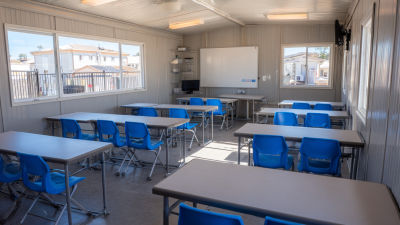
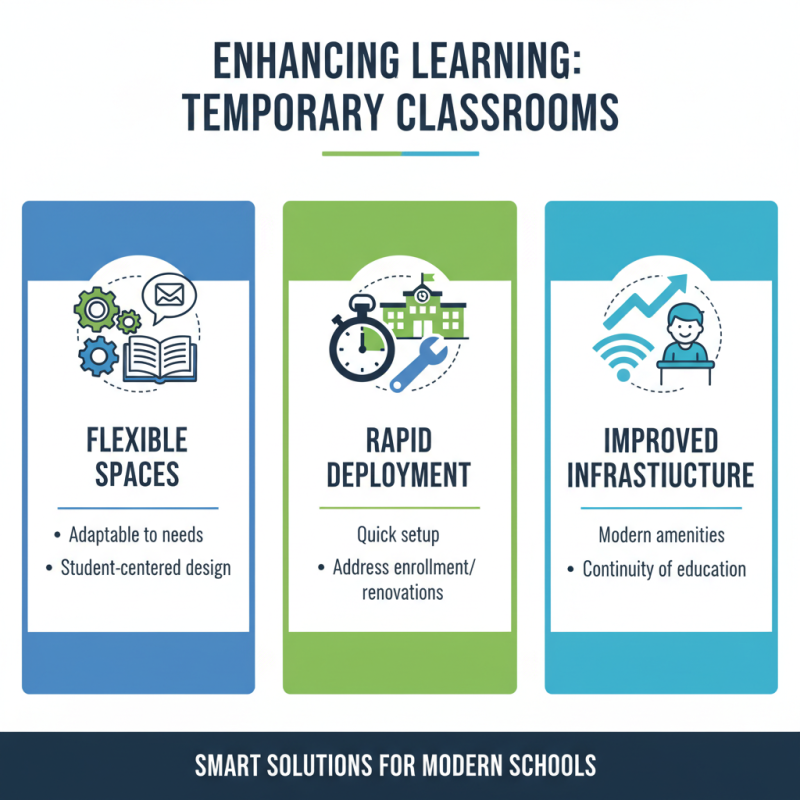
Temporary classrooms are proving to be an effective solution for improving learning environments. They provide flexible spaces that adapt to the needs of students and educators. These structures can be set up quickly, allowing schools to respond to sudden increases in enrollment or renovations in existing buildings.
In many cases, temporary classrooms offer modern amenities. They can include better lighting, ventilation, and technology-enhanced learning tools. However, not all temporary classrooms meet high standards. Some may lack adequate insulation or proper soundproofing, which can detract from the learning experience. It's essential for schools to assess the quality of these structures before implementation.
Additionally, the design of temporary classrooms can influence student engagement. Bright colors and open layouts can foster creativity and collaboration. Yet, consistency with the main school building is vital. A mismatch can lead to feelings of isolation among students. Schools must balance cost-effectiveness with the need for an inspiring learning environment.