Best Barrack Building Designs for 2026 What to Consider?
The design of Barrack Buildings is evolving as we approach 2026. In recent industry reports, it’s noted that energy efficiency and sustainability are critical factors in new constructions. A survey by the International Facility Management Association reveals that 70% of military officials prioritize these elements in their barrack designs.
Experts, like architect John E. Martin, emphasize the importance of these changes. He states, “Future barrack buildings need to meet higher standards, both environmentally and structurally.” This reflects a growing understanding that barrack buildings must not only house personnel but also foster wellbeing and teamwork.
However, challenges remain. Protecting against climate change impacts and ensuring durability can complicate design choices. Many projects fall short on budget or do not fully incorporate innovative materials. The balancing act between cost and quality continues to be a topic of debate in the industry. Barrack building designs in the coming years must address these issues thoughtfully.
Innovative Architectural Trends for Barrack Buildings in 2026
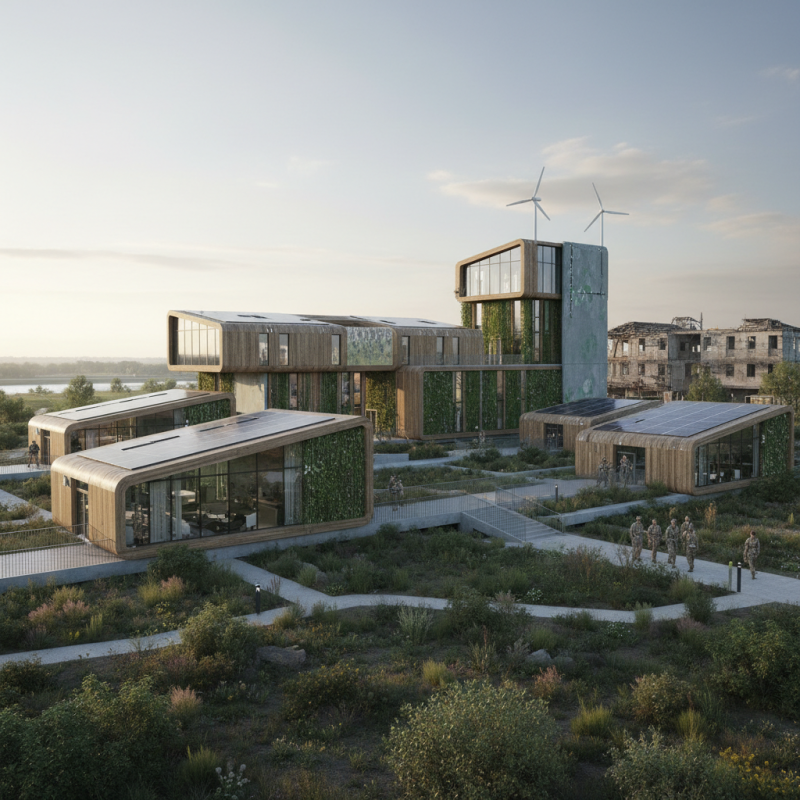
The architectural landscape of barrack buildings is evolving rapidly. By 2026, innovative designs will incorporate sustainability, functionality, and technology. Recent industry reports estimate that eco-friendly materials could reduce operational costs by up to 30%. This trend aligns with global efforts to decrease carbon footprints in construction. Designers are now prioritizing energy-efficient solutions, including solar panels and smart building systems.
Open spaces and multifunctional areas are becoming vital in barrack designs. Reports indicate that flexible layouts can significantly enhance group dynamics and morale. Well-planned communal areas can foster teamwork and collaboration. However, achieving this balance often presents challenges. Innovative designs must consider privacy while promoting interaction among personnel.
Incorporating natural elements is also gaining traction. Biophilic designs can improve mental well-being, crucial for personnel living in such settings. Yet, integrating these features may complicate logistics and costs. The interplay between aesthetic appeal and practical needs can be tricky. Designers must remain vigilant about creating spaces that are both inviting and usable.
Best Barrack Building Designs for 2026: What to Consider?
| Design Feature |
Description |
Innovative Aspect |
Sustainability Index |
| Modular Construction |
Pre-fabricated sections that can be easily transported and assembled on site. |
Reduces construction time and labor costs. |
85% |
| Green Roofs |
Roofs covered with vegetation to enhance insulation and absorb rainwater. |
Improves air quality and reduces urban heat. |
90% |
| Smart Technology Integration |
Utilizing IoT devices for monitoring and managing building systems. |
Enhances security and energy management. |
80% |
| Energy-efficient Materials |
Use of materials that enhance energy performance. |
Reduces energy consumption and utility costs. |
88% |
| Flexible Interior Spaces |
Designs that allow for reconfiguration of spaces based on needs. |
Increases functionality for different activities. |
75% |
Key Factors in Designing Functional Barracks for Modern Needs
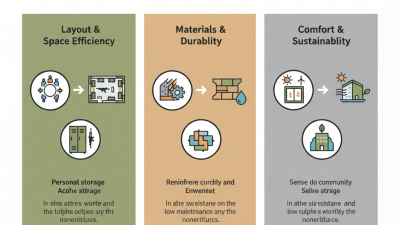
Designing functional barracks for modern needs requires careful consideration of various factors. Space efficiency is a critical aspect. Modern barracks should maximize the use of available square footage. For instance, incorporating multipurpose rooms can reduce wasted space. Additionally, shared facilities can enhance collaboration among personnel. This approach not only saves space but also fosters a sense of community.
Another important factor is sustainability. Eco-friendly materials and energy-efficient designs are crucial for contemporary barracks. Implementing solar panels can significantly lower energy costs. However, challenges exist in balancing initial costs with long-term savings. Some designs may overlook the importance of natural light. Ensuring proper ventilation and adequate windows can improve the living experience.
Lastly, technology integration is essential. Modern barracks must accommodate digital needs of personnel. High-speed internet and smart technology should be standard. Yet, some designs may prioritize aesthetics over practicality. This can lead to issues where technology fails to function effectively. Reflecting on these elements can create spaces that better serve the needs of occupants.
Sustainability Practices in Barrack Construction and Design
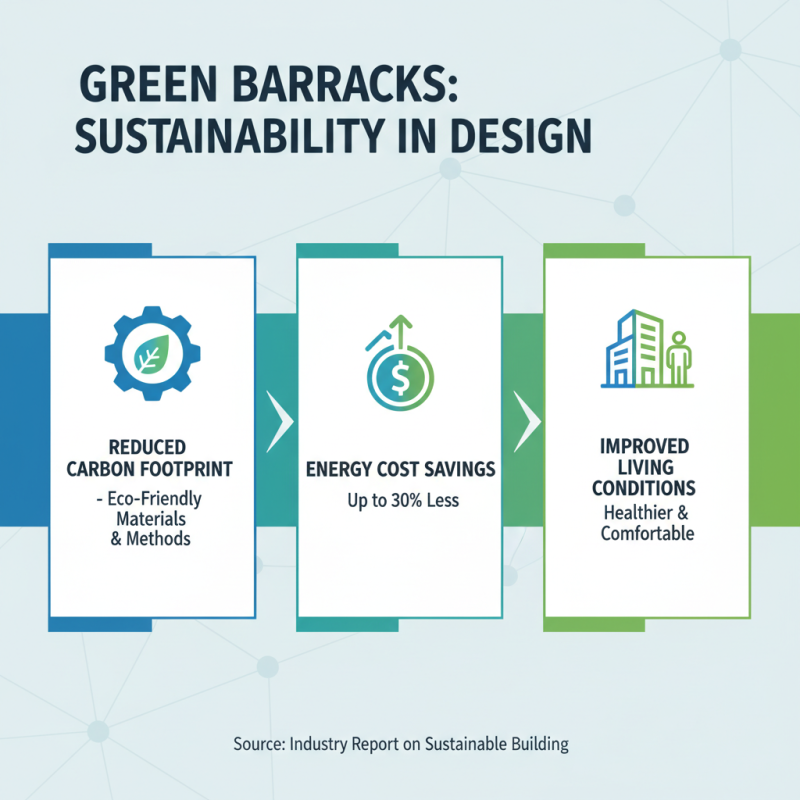
Sustainability is now a key focus in barrack building designs. Green construction practices help reduce the carbon footprint. According to a recent industry report, sustainable buildings can cut energy costs by up to 30%. This shift not only benefits the environment but also enhances living conditions.
To apply sustainable techniques, consider using recycled materials. High-density polyethylene (HDPE) is a great option for construction. It reduces waste and is durable and strong. Utilizing renewable energy sources, like solar panels, can improve energy efficiency. However, many designs overlook climate resilience, essential for barrack longevity.
Tips: Incorporating green roofs can provide insulation and promote biodiversity. Engage with stakeholders early on to identify the best sustainable practices for your specific location. Be mindful of your design choices; aiming for sustainability shouldn't compromise functionality.
Space Optimization Techniques for Efficient Barrack Layouts
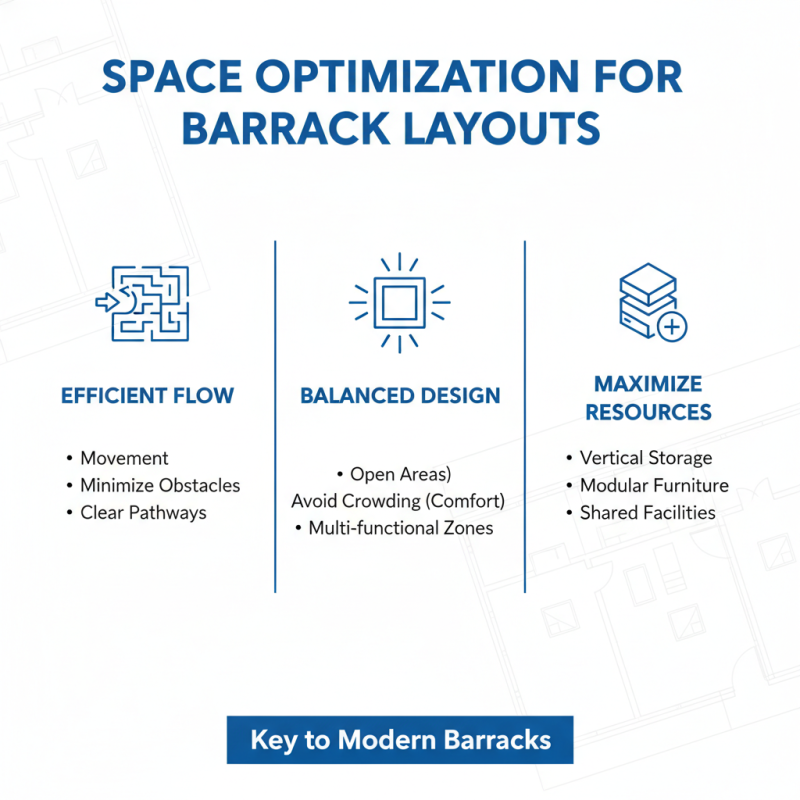
When planning barrack layouts, space optimization is crucial. It allows for more efficient use of limited resources. Designers should focus on the flow of movement. Open areas can create a welcoming environment. However, overcrowded spaces may feel uncomfortable. Balance is key.
Incorporating multi-functional furniture can maximize space. For example, collapsible beds create flexibility in rooms. Modular designs often enable quick changes. Shared facilities should be easily accessible, yet provide privacy. Achieving this requires thoughtful placement and design.
Consider the potential for future expansion. A layout that adapts will save time and resources later. However, rigid designs may hinder growth. It is essential to stay adaptable. Engaging with the community can gather valuable feedback. This connection can lead to better designs and layouts that meet the users' needs.
Incorporating Technology in Barrack Building Designs for the Future
Incorporating technology into barrack building designs for 2026 presents exciting challenges. Emerging technologies can reshape these spaces. For instance, smart building systems enhance energy efficiency. Sensors can monitor air quality and adjust conditions in real-time. This ensures a healthy living environment for occupants.
Equipping barracks with renewable energy sources is vital. Solar panels and wind turbines give energy independence. However, integrating these systems may require significant upfront investment. This can lead to budget constraints. Furthermore, not all locations are suitable for renewable options. Site-specific studies are essential.
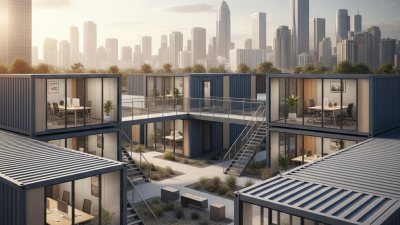
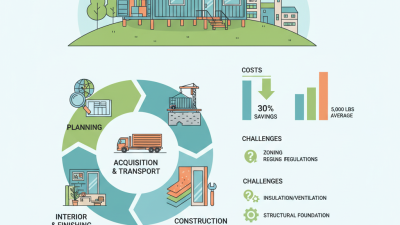
Embracing modular construction is another approach. Prefabricated units can accelerate the building process. They also reduce waste, but quality control is crucial. Poorly built modules could lead to structural issues. Continuous evaluation and improvement are necessary. Balancing innovation with practicality remains a key focus in future designs.