Explore the Best Capsule Home Designs for 2026 Trends?
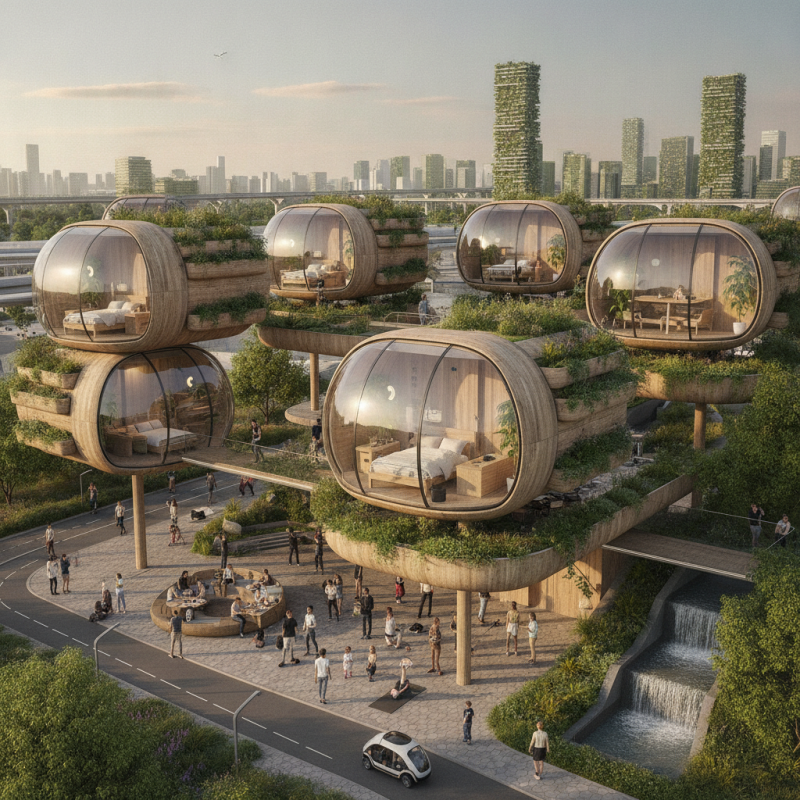
In recent years, "Capsule Homes" have emerged as a revolutionary solution to urban housing challenges. These compact living spaces blend functionality with innovative design. Renowned architect, Alex Jones, emphasizes their value, stating, “Capsule Homes efficiently cater to modern living demands.” As we explore the trends shaping Capsule Home designs for 2026, we witness a shift towards sustainability and minimalism.
These homes often feature smart space utilization, making every square foot count. Creative configurations allow for multi-functional rooms, promoting a sense of openness despite limited space. However, some designs may sacrifice comfort for efficiency. The balance between practicality and livability remains a critical issue for designers.
As we anticipate the future, Capsule Homes remind us of the importance of thoughtful design. They challenge conventional ideas of home while encouraging a simpler lifestyle. Yet, it is essential to address potential shortcomings. How do these compact spaces affect our well-being? Are we sacrificing too much for modern convenience? These questions linger as we embrace the evolution of Capsule Home living.
The Concept of Capsule Homes: A Brief Overview
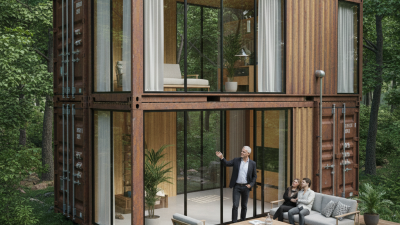
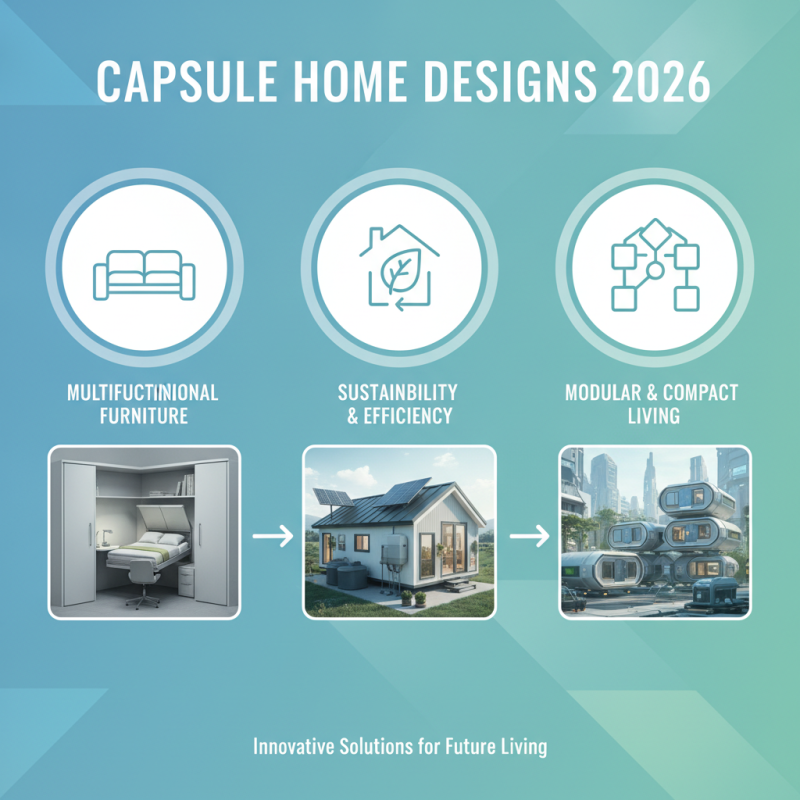
Capsule homes have gained popularity for their innovative design and efficient use of space. These compact living spaces are designed for modern lifestyles, emphasizing minimalism and functionality. The concept fosters a sense of community while encouraging sustainable living. Designers often focus on modular structures that can adapt to various needs and environments.
When considering capsule home designs, prioritize natural light. Large windows can create an illusion of space and enhance mood. Incorporating multi-functional furniture is key. Think about pieces that serve more than one purpose. A foldable dining table can also act as a workspace, maximizing limited square footage.
It's essential to reflect on your personal needs. Capsule living might not suit everyone. Evaluate whether you are comfortable with minimal storage and shared spaces. Connectivity with nature is also pivotal. Include small outdoor areas or gardens to balance the compact indoor environment. Such details can make capsule homes not only a trend but also a viable lifestyle choice for 2026 and beyond.
Explore the Best Capsule Home Designs for 2026 Trends
This chart illustrates the importance ranking of various features in capsule home designs for the year 2026. Utilization of space emerges as the most critical factor, followed closely by energy efficiency and sustainability. Affordability and aesthetic design, while still important, rank lower in priority.
Key Features of Capsule Home Designs for 2026
Capsule home designs are gaining traction as we step into 2026. These compact dwellings focus on efficiency, sustainability, and innovative solutions to space constraints. One key feature is the multifunctional furniture, which serves various purposes, optimizing every inch of the living area. For example, a bed that folds into the wall can create extra space during the day.
Consider using eco-friendly materials. They not only reduce environmental impact but also enhance air quality inside the home. Natural wood, recycled metals, and sustainable fabrics are excellent choices. Pay attention to the layout; open designs that promote flow can enhance comfort.
When implementing capsule designs, reflect on your lifestyle. Are you cluttered with possessions? Focus on minimalism. Reduce items that don’t serve a purpose. Embrace the imperfect nature of small living. It might add character to your home while forcing you to rethink your daily habits. Prioritize what truly matters in your living space.
Sustainable Materials in Capsule Home Construction
As we look ahead to 2026, capsule homes are gaining traction for their innovative designs and sustainability. One major aspect of these homes is the use of sustainable materials. Recycled steel, reclaimed wood, and eco-friendly insulation are becoming common choices. These materials not only reduce the carbon footprint but also enhance the aesthetic appeal of the homes.
Natural materials, like bamboo and cork, are also trending. They offer durability alongside a modern look. Architects are now experimenting with bio-based materials, which are biodegradable and non-toxic. This approach promotes health and safety for the inhabitants. However, sourcing these materials can sometimes lead to challenges, such as scarcity or higher costs. Consumers must weigh these factors when selecting sustainable options.
Some designs feature living roofs and walls, incorporating nature into the architecture. This biophilic approach enhances energy efficiency but can complicate the construction process. Building with these materials requires a deeper understanding of their properties. Not every builder has this expertise, which can lead to subpar results. Homeowners should prioritize finding knowledgeable professionals who are committed to sustainability.
Explore the Best Capsule Home Designs for 2026 Trends - Sustainable Materials in Capsule Home Construction
| Design Style |
Key Features |
Sustainable Materials |
Energy Efficiency Rating |
Estimated Cost |
| Minimalist Capsule |
Open floor plan, large windows for natural light |
Recycled steel, bamboo flooring |
A+ |
$50,000 |
| Biophilic Design |
Integration of nature, indoor gardens |
Reclaimed wood, natural stone |
A |
$70,000 |
| Futuristic Capsule |
Smart home integration, modular components |
Fiberglass composites, solar panels |
A++ |
$90,000 |
| Rustic Capsule |
Warm, cozy interiors, natural textures |
Cork walls, reclaimed bricks |
B+ |
$60,000 |
| Eco-Friendly Capsule |
Efficient water management, renewable energy sources |
Hempcrete, solar roof |
A+++ |
$80,000 |
Innovative Interior Layouts for Maximizing Space
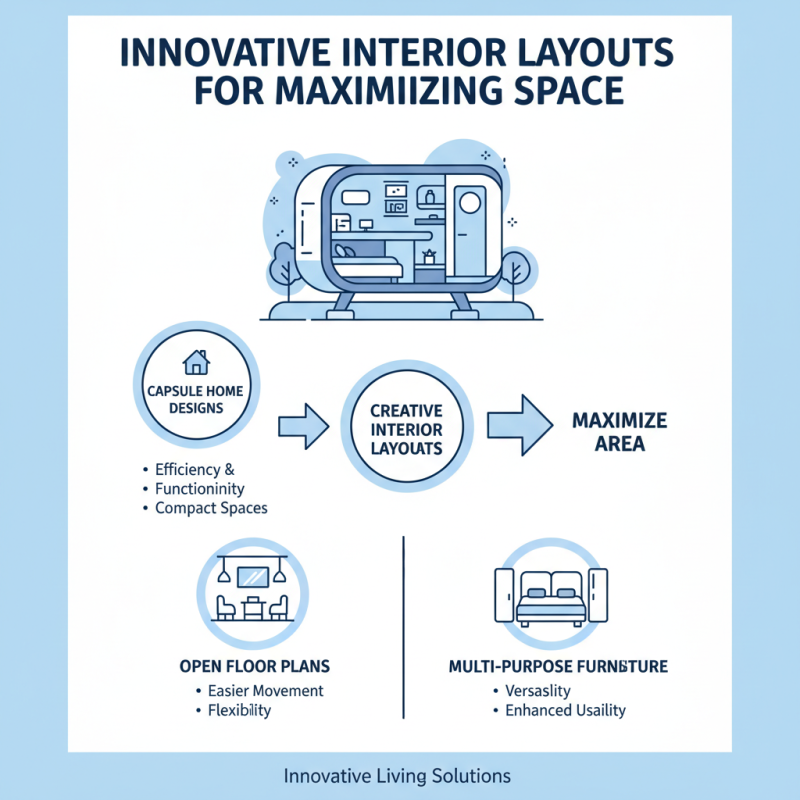
In the pursuit of innovative living solutions, capsule home designs are gaining momentum. These compact spaces emphasize efficiency and functionality. Creative interior layouts play a key role in maximizing the available area. Open floor plans encourage easier movement and flexibility. Multi-purpose furniture can enhance usability and keep living spaces versatile.
Consider using modular shelving to create a sense of separation within a single room. These shelves can also serve as storage, displaying books or decorative items. A foldable dining table can transform a workspace into a cozy dining area. However, careful planning is essential. Overcrowding a small space can lead to discomfort and chaos. Striking a balance between style and simplicity is crucial.
Natural light is vital in capsule homes. Large windows or skylights brighten interiors, making them feel more spacious. Use light colors to reflect that sunlight and create an airy environment. Plants can infuse life, but remember—maintaining them can be a challenge in limited space. Embracing simplicity often leads to a more harmonious living experience, but each choice must align with personal needs. Reflecting on these aspects can elevate the design of capsule homes significantly.
Emerging Technologies Influencing Capsule Home Trends
Emerging technologies significantly shape capsule home trends for 2026. Smart home devices are vital. Energy-efficient systems and automation enhance user experience. A recent report from the International Energy Agency highlights that energy-efficient homes can reduce energy consumption by 30%. This shift supports sustainability.
3D printing is another game-changer. It allows for quick and affordable construction. Researchers at the University of Southern California report that 3D-printed homes can be built in just 24 hours, reducing labor costs and time. This rapid construction method makes capsule homes more accessible.
While these innovations are promising, challenges remain. Many people struggle to adapt to smart technology. There is also a lack of familiarity with modular designs. Addressing these issues is vital for wider acceptance and success. As we look to 2026, exploring these developments is critical.