2026 Best Creative Container Homes for Sustainable Living Ideas?
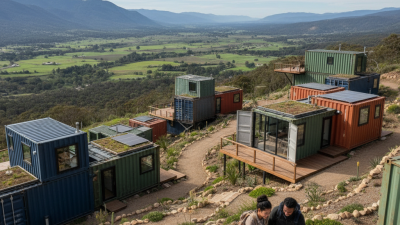
The movement towards **Creative Container Homes** is gaining momentum in the realm of sustainable living. These innovative residences reflect a shift in how we view housing. According to the 2023 Home Sustainability Report, container homes can reduce construction waste by up to 60% and can be built in half the time of traditional homes. Experts like Dr. Emily Carter, a leading architect in sustainable design, emphasize, "Creative Container Homes are not just about reusing materials; they are about reimagining living spaces."
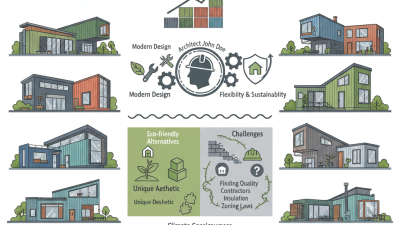
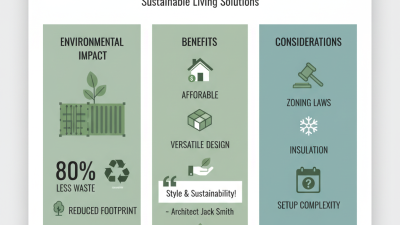
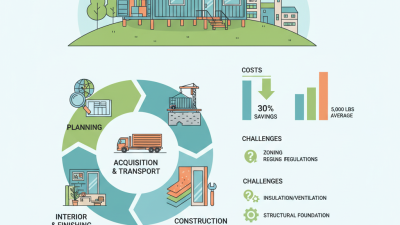
Many individuals are drawn to the aesthetic and ecological advantages of **Creative Container Homes**. These homes not only boast unique designs but also significantly lower the carbon footprint. Yet, challenges persist. Insulation can be tricky, and zoning laws often impose restrictions. The cost of retrofitting containers for livability can be high, demanding careful financial planning. It's essential to confront these hurdles without losing sight of the sustainable benefits.
The appeal of **Creative Container Homes** lies in their adaptability and modernity. As we navigate an ever-changing world, these homes might lead the way for future housing solutions. However, potential homeowners should weigh their options carefully. Reflecting on personal needs and local regulations is crucial in this evolving landscape.
Exploring the Rise of Container Homes in Sustainable Living
Container homes are gaining traction in the sustainable living sector. According to a recent report from the U.S. Green Building Council, over 2.5 billion tons of waste are sent to landfills each year. Using repurposed shipping containers mitigates this waste. These structures often have lower carbon footprints compared to traditional building methods. They use fewer resources and generate less waste.
The modular design of these homes allows for flexibility. Owners can customize layouts according to their needs. Studies show that container homes can be completed in a fraction of the time needed for traditional homes. However, challenges remain. Insulation can be a significant issue. Proper ventilation is also crucial for temperature control.
Many builders are exploring innovative materials to enhance sustainability. Despite progress, the perception of container homes still needs improvement. Misconceptions around aesthetics and safety linger in public discourse. Addressing these biases is essential for broader acceptance. Container homes may not be the ultimate answer, but they represent a shift toward more sustainable living solutions.
Designing Your Ideal Container Home: Key Considerations
Designing a container home requires careful thought. It’s not just about placing boxes together. You'll want to consider insulation, layout, and functionality. Think about your daily needs. Open spaces can feel inviting, but lack of privacy may be an issue.
Tips: Choose the right location. Proximity to utilities can save money. Ensure access to water and power. Check local zoning laws too. They can affect your plans significantly.
Material selection is another critical aspect. Containers rust and can corrode. Treating them properly is key. Keep in mind, rust can be a slow problem. Regular maintenance is essential to extend the life of your home.
Tips: Embrace sustainability. Use recycled materials where you can. Solar panels can reduce utility costs. However, be mindful of your energy needs. Over-reliance on solar in cloudy areas might lead to challenges. Effective planning is crucial for a comfortable living space.
Innovative Features and Amenities in Modern Container Homes
Innovative features in modern container homes make them an appealing choice for sustainable living. These homes often utilize recycled materials, significantly reducing the carbon footprint compared to traditional construction methods. According to a report by McKinsey, the construction industry generates about 36% of global energy-related CO2 emissions. Container homes can minimize this impact, offering solutions that protect the environment while providing comfortable living spaces.
Sustainable amenities inside these homes also play a crucial role. Many designs include solar panels, rainwater harvesting systems, and efficient insulation techniques. Research from the National Association of Home Builders reveals that homes with sustainable features can lead to energy savings of up to 30%. Container homes often embrace modular designs, allowing flexibility and adaptability. However, the challenge lies in zoning laws and building codes, which may not support innovative designs.
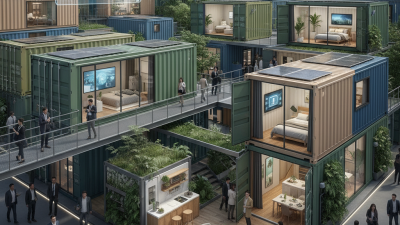
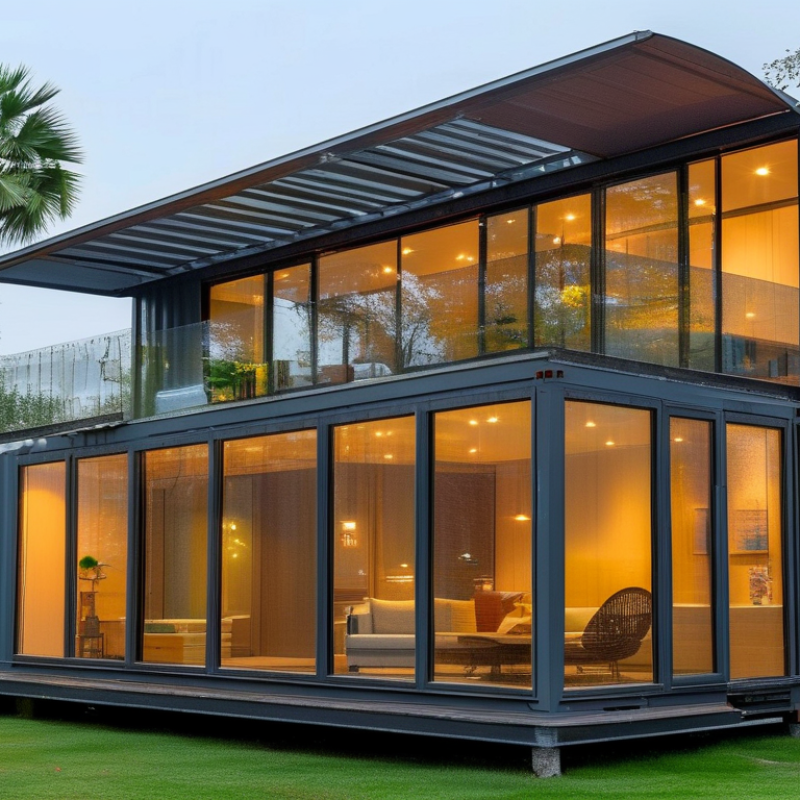
Containers are also surprisingly versatile. Their structure allows for creative spatial arrangements. Open floor plans enhance natural light and air flow. Yet, issues may arise with insulation and temperature control, requiring thoughtful planning. Innovations like green roofs and living walls can contribute to better energy efficiency. Investing time and effort into these aspects can lead to both environmental benefits and personal satisfaction in creating a unique living space.
Cost Analysis: Budgeting for Your Container Home Project
When considering a container home, budgeting plays a crucial role. Container homes can be a cost-effective solution, but hidden expenses often arise. The average cost for a basic container home can range from $10,000 to $40,000. This range depends on materials, location, and design. Always create a detailed list of potential costs beyond just the container purchase.
Tips: Start by breaking down the expenses. Consider land purchases, permits, and utility hookups, which can add up quickly. You may need to adjust your design based on local building codes. Research these regulations carefully to avoid surprises.
Additionally, factor in interior finishes and sustainability upgrades. Eco-friendly materials may have a higher initial price but save money on utilities in the long run. Reflect on your priorities. Are aesthetic features worth the extra investment? Balancing costs with comfort and sustainability can lead to challenging decisions. Plan for the unexpected and set aside a contingency budget.
Real-Life Examples of Successful Sustainable Container Homes
Container homes are gaining traction as a sustainable living solution. These innovative dwellings utilize repurposed shipping containers, minimizing material waste. A report by the U.S. Green Building Council indicates that building with recycled materials can reduce the environmental footprint by up to 50%. Real-life examples show the versatility of container homes. In various climates, they maintain energy efficiency and often require less maintenance than traditional homes.
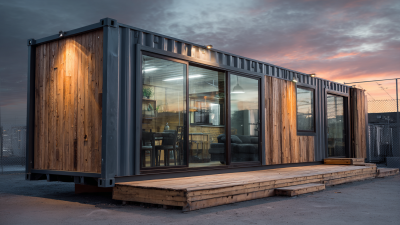
For instance, a project in Texas demonstrates how container homes can blend performance with aesthetics. The owners transformed three containers into a sleek, modern retreat. By focusing on passive solar design, this home significantly reduces energy costs. These real-life applications highlight the potential of container homes to remain functional and appealing. Each project can inspire creativity, but potential owners must consider local zoning laws and sustainability standards.
Tips to consider when planning a container home include focusing on insulation. Proper insulation can dramatically affect energy efficiency. Additionally, consider using renewable energy sources like solar panels. They can further enhance sustainability. Finally, think about the layout. An effective design can optimize space and improve livability. While container homes offer a promising future, they still present challenges in execution and integration into existing communities.
2026 Best Creative Container Homes for Sustainable Living Ideas