Best Prefab Classrooms for Efficient Learning Spaces?
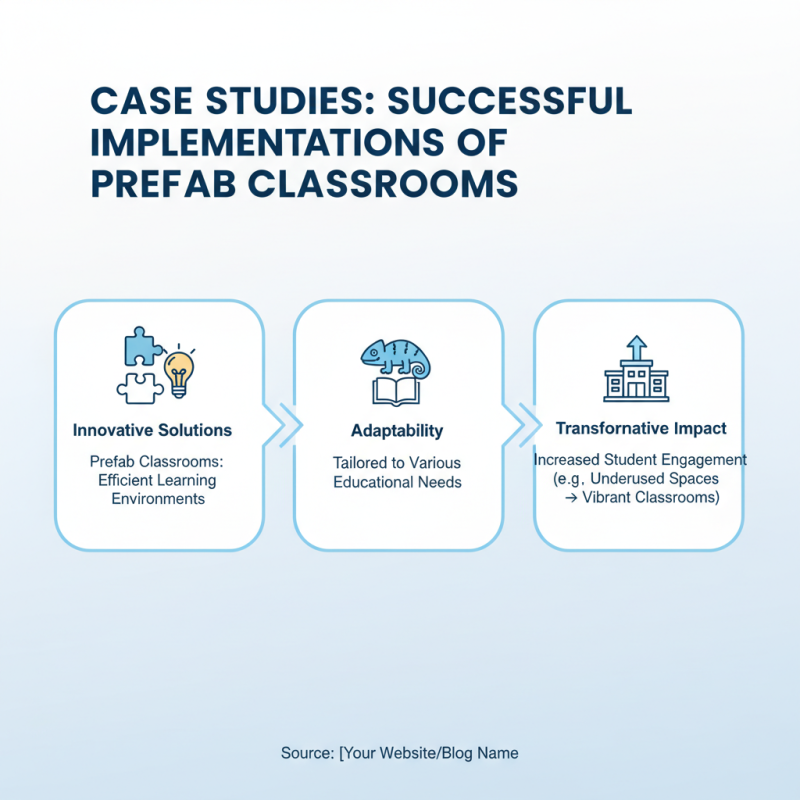
In today's fast-paced educational landscape, the demand for adaptable and efficient learning environments is at an all-time high. Prefab classrooms have emerged as a practical solution. These structures are not only quick to deploy but are designed to enhance learning experiences. Their flexibility makes them suitable for various educational needs.
According to Dr. Sarah Mitchell, a leader in the prefab construction industry, “Prefab classrooms allow institutions to respond rapidly to evolving educational demands.” This expertise underlines the importance of selecting optimal prefab solutions. The right design maximizes space and creates an inviting atmosphere. Educators often highlight that these classrooms foster collaboration and innovation.
However, it is vital to acknowledge that the implementation of prefab classrooms is not without challenges. Some may question the durability compared to traditional structures. Moreover, ensuring high-quality insulation and acoustics is crucial. Every classroom must cater to both functionality and comfort. As the education sector continues to evolve, the benefits and considerations of prefab classrooms require ongoing reflection and dialogue.
Advantages of Prefabricated Classrooms for Modern Education
The demand for efficient learning spaces is escalating. Prefabricated classrooms are becoming a prominent solution. These modular structures offer flexibility and can be built rapidly. Studies show that schools adopting prefabricated classrooms reduce construction costs by up to 15%. Additionally, these spaces can be erected in a fraction of the time compared to traditional buildings.
Prefabricated classrooms enhance the learning environment. They are designed with modern educational needs in mind. These classrooms often include natural lighting and innovative layouts that promote collaboration. A report from the National Center for Education Statistics (NCES) indicates that well-designed learning spaces can increase student engagement by 20%. This is crucial in today’s fast-paced educational landscape. However, not all prefabricated solutions meet quality standards. It’s essential to evaluate materials and construction practices.
The adaptability of these classrooms is noteworthy. Schools can easily modify or relocate them as needs change. However, some educators express concern about the long-term durability of these structures. Data shows that while materials may be less robust, proper maintenance can extend their lifespan significantly. A thoughtful approach to design and construction can create a reliable resource for modern education.
Best Prefab Classrooms for Efficient Learning Spaces
| Feature |
Advantage |
Impact on Learning |
| Cost-Effectiveness |
Lower construction costs compared to traditional classrooms |
Allows more budget for teaching resources |
| Quick Assembly |
Rapid installation and setup |
Minimizes disruption to the school year |
| Flexibility |
Easily reconfigured and relocated |
Supports changing educational needs |
| Sustainability |
Often made from eco-friendly materials |
Encourages environmental awareness among students |
| Customizable Design |
Tailored to specific educational needs |
Enhances student engagement and learning outcomes |
| Durability |
Built to withstand various weather conditions |
Provides a safe and stable learning environment |
Key Features to Consider When Selecting Prefab Classrooms
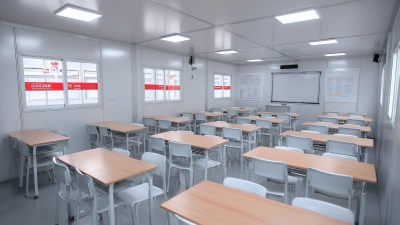
When selecting prefab classrooms, certain key features can significantly enhance the learning environment. One of the most critical aspects is natural lighting. Studies show that classrooms with ample natural light can improve student performance by up to 25%. Large windows or skylights not only brighten the space but also create a more inviting atmosphere for students.
Acoustic control is another vital feature. A quiet classroom promotes better focus. According to a report from the National Institute for Occupational Safety and Health, noise levels in schools can lead to decreased academic performance. Adequate soundproofing materials and layout designs can minimize distractions.
Flexibility is also essential. As educational needs evolve, classrooms must adapt. Many contemporary prefab designs incorporate movable walls, allowing for dynamic learning configurations. This adaptability can lead to better use of space and resources. However, it's crucial to assess the balance between innovation and practicality, as excessive features might complicate simple educational needs.
Top Manufacturers of Prefab Classrooms for Educational Use
When considering prefab classrooms, it's crucial to know which manufacturers lead the industry. According to industry reports, the demand for modular educational spaces is rising. This trend highlights the efficiency and adaptability of prefab classrooms, meeting various educational needs.
One key aspect is sustainability. Many top manufacturers focus on eco-friendly materials. Research shows that schools using sustainable buildings promote better learning outcomes. Furthermore, prefab classrooms can be constructed in less time than traditional buildings. Statistics indicate that they can reduce construction time by up to 50%.
Tip: Look for manufacturers that prioritize energy efficiency in their designs.
Another important factor is adaptability. Today’s learning environments must accommodate diverse teaching methods. This can include open spaces for group work or quiet areas for focused study. Some manufacturers allow customization without a hefty price tag. However, not all options are equally effective.
Tip: Evaluate the layout options based on educational goals.
Additionally, monitor the quality of construction materials. Some manufacturers may sacrifice durability for lower costs. Understanding which materials affect the longevity and safety of gaming and learning environments is essential. Aim for transparency in material sourcing and construction practices.
Future Trends in Prefabricated Classroom Designs for Learning Efficiency
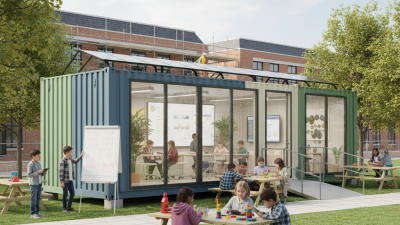
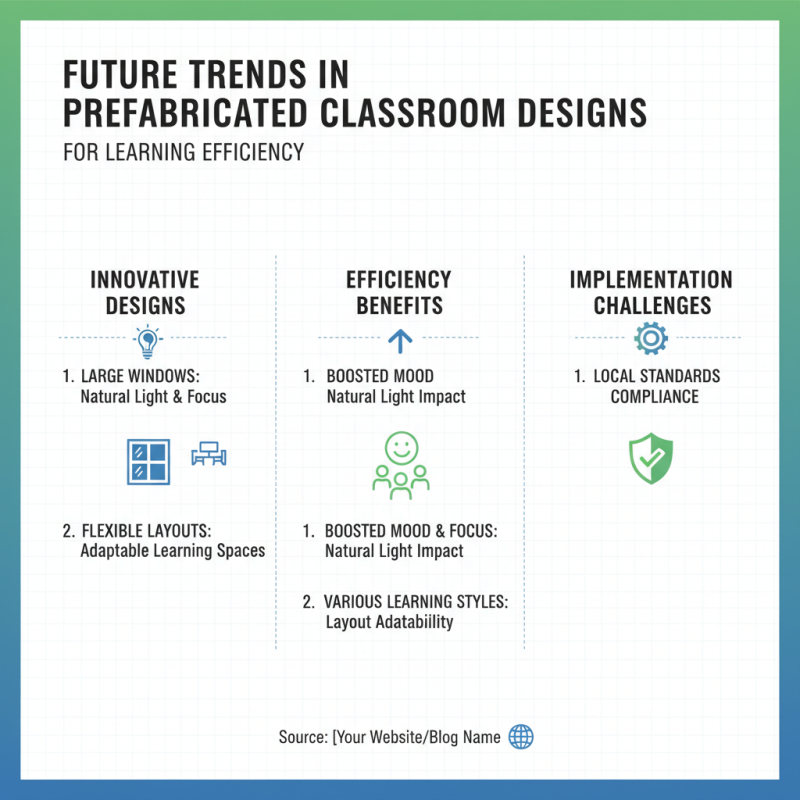
The landscape of prefabricated classrooms is evolving rapidly. These structures aim to enhance learning efficiency by incorporating innovative designs. Large windows allow natural light, which can boost students' mood and focus. Flexible layouts enable various learning styles. But implementation challenges remain. For instance, schools must ensure these spaces fit local educational standards.
Modern designs also consider sustainability. Using eco-friendly materials can create healthier environments. However, many schools struggle with budget constraints. Balancing cost with quality is crucial. Collaboration among architects, educators, and administrators can lead to better solutions. Yet, communication gaps often hinder this process.
Technology integration is another trend. Smart classrooms can facilitate personalized learning experiences. This includes adaptive learning tools that adjust to student needs. Nevertheless, training teachers to use new technologies effectively is essential. Without proper training, potential improvements may not be realized. How can we ensure that these designs meet the diverse needs of all students? This remains a significant question in the journey toward effective prefab classroom solutions.