2026 Best Simple Container House Designs for Global Buyers?
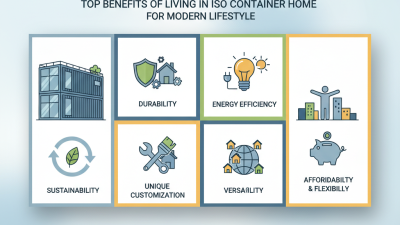
In the evolving landscape of sustainable living, Simple Container Houses are gaining popularity among global buyers. As an industry expert, Sarah Johnson, emphasizes, “Simple Container Houses provide innovative solutions for modern living.” These homes are transforming vacant spaces into livable environments, reflecting sustainability and style.
Designed with flexibility in mind, Simple Container Houses come in various styles. Buyers can choose from minimalist designs to more elaborate structures, catering to diverse tastes. However, it’s essential to consider location and local regulations before construction. Not all designs fit every environment, which can complicate building processes.
While the appeal of Simple Container Houses is clear, challenges can arise. Some may underestimate heating and cooling needs, impacting comfort. Others might overlook the importance of proper insulation and ventilation. Each design decision requires careful thought and reflection. Ultimately, investing in a Simple Container House should align with personal values and practical requirements for a fulfilling living experience.
Overview of Container House Designs for 2026
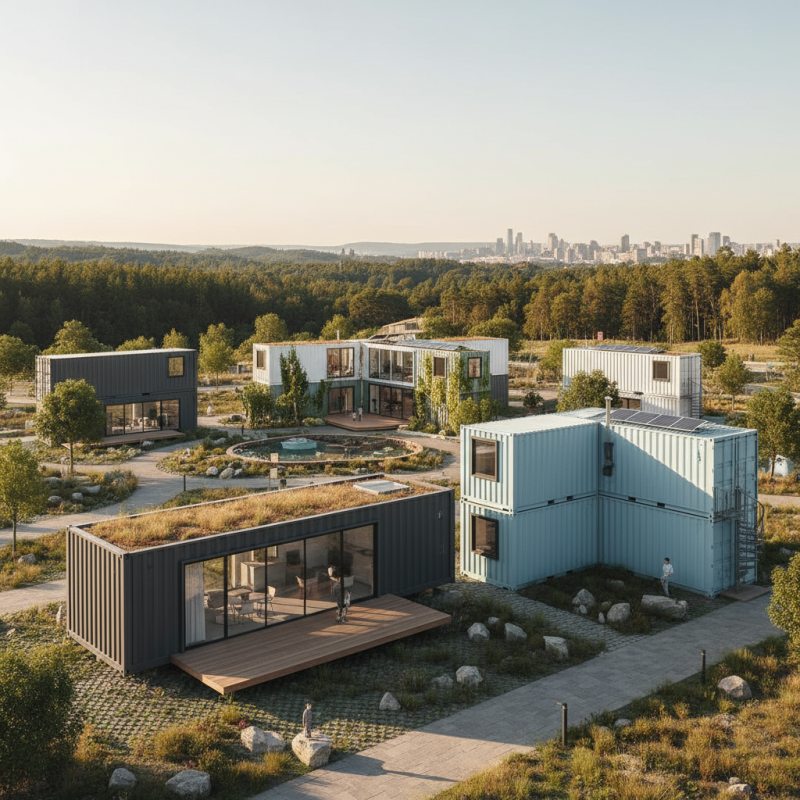
When exploring container house designs for 2026, it's essential to understand their unique features. These homes are versatile and environmentally friendly. They offer affordable housing options in various settings. Many designs blend modern aesthetics with practical layout. They cater to urban and rural lifestyles alike. Container homes support sustainable living, which is a growing trend.
Tips: Choose the right site. Consider sunlight and access to utilities. Each design requires careful planning. Think about insulation and ventilation to enhance comfort. Assess the local climate's impact on your design choice.
Several designs stand out this year. Minimalist aesthetics are gaining traction. Open floor plans allow flexibility in usage. Multi-container structures offer more space and creativity. Remember that building regulations vary. Ensuring compliance is crucial. Mistakes can lead to costly delays or redesigns.
2026 Best Simple Container House Designs for Global Buyers
| Design Name |
Size (sq ft) |
Number of Bedrooms |
Eco-Friendly Features |
Price Range ($) |
| Modern Retreat |
400 |
1 |
Solar Panels, Rainwater Harvesting |
25,000 - 30,000 |
| Family Haven |
800 |
3 |
Green Roof, Energy-efficient Windows |
50,000 - 60,000 |
| Minimalist Cube |
600 |
2 |
LED Lighting, Recycled Materials |
35,000 - 45,000 |
| Luxe Container Home |
1000 |
4 |
Smart Home Technology, Wind Turbines |
70,000 - 80,000 |
| Compact Studio |
300 |
1 |
Biodegradable Insulation, Natural Ventilation |
20,000 - 25,000 |
Key Features of Simple Container Houses for Global Buyers
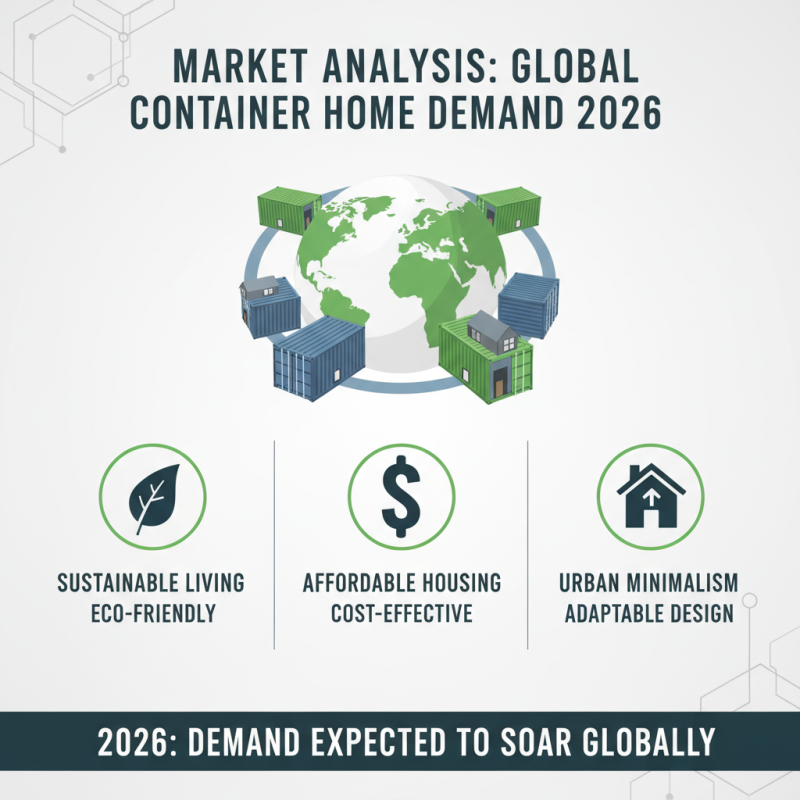
Simple container houses are gaining popularity among global buyers. They stand out with their versatility and cost-effectiveness. The global market for modular and container homes is projected to grow at a CAGR of 8.5% from 2021 to 2028, according to a report by Grand View Research. This growth reflects a rising demand for sustainable living options. However, potential buyers should consider the environmental impact and energy efficiency of these homes.
Key features of simple container houses include their modular design, sustainability, and affordability. Most designs can be customized based on individual needs. Containers can be easily arranged to create larger living spaces. Reports show that a typical container house can be built at about 20-30% lower costs than traditional homes. However, some challenges remain. Insulation and temperature control must be addressed. Buyers might need to invest in additional energy-efficient solutions to optimize comfort.
In addition, many designs highlight natural light and open floor plans. Large windows and smart layouts enhance livability. But, buyers should be cautious about zoning regulations. Local building codes can complicate container home projects. Engaging with professionals familiar with these regulations can mitigate risks. Overall, while the simple container house market looks promising, thorough research and planning are essential for success.
2026 Best Simple Container House Designs
Top Design Trends in Container Homes for 2026
In 2026, container homes are set to embrace innovative design trends that prioritize sustainability and functionality. Recent reports indicate that the demand for eco-friendly materials has surged by 20% among homebuyers. Many are looking for durable, energy-efficient solutions that minimize environmental impact. Combined with modern aesthetics, these homes offer both style and practicality.
Blending indoor and outdoor spaces is gaining traction. Large windows and open floor plans create a bright atmosphere. Many designs adopt modular frameworks, allowing for easy expansions or adjustments. This adaptability is fundamental, particularly in urban settings where space is limited. Statistics suggest that flexible designs can enhance living comfort by up to 30%.
Tips: Consider local climate when choosing materials. This can improve durability and reduce maintenance costs. Maintaining a balance between function and aesthetics is essential. Embrace imperfections, as they often tell a home's story. Each container can present unique challenges and opportunities for creativity.
Sustainability and Cost-Effectiveness in Container House Design
Container houses have gained popularity due to their sustainability and affordability. Their design allows for efficient use of resources. A well-planned container home can greatly reduce construction waste. Many of these homes utilize recycled materials, ensuring a lower environmental impact. However, the challenge lies in proper insulation and ventilation. Poor design can lead to uncomfortable living situations.
Cost-effectiveness is a significant factor in container house design. A basic container structure is often cheaper than traditional homes. Yet, customization can quickly increase costs. Homebuyers should carefully assess their needs. Investing in sustainable features like solar panels can save money in the long run. Buyers must weigh initial costs against future savings.
The trend of container living is not without its drawbacks. Location and zoning laws can pose challenges. Some areas may not permit such structures, limiting options for potential homeowners. Before making a decision, thorough research is essential. Understanding local regulations is crucial. Balancing innovation and practicality is a continual process in container design.