10 Best Single Container House Designs You Need to See?
In recent years, the allure of the Single Container House has captivated many homeowners and architects alike. As urban spaces grow tighter, these innovative designs offer a practical solution. Architect Sarah Johnson, an expert in sustainable housing, once said, "Single Container Houses redefine our approach to living spaces." Her words resonate in a world where design meets utility.
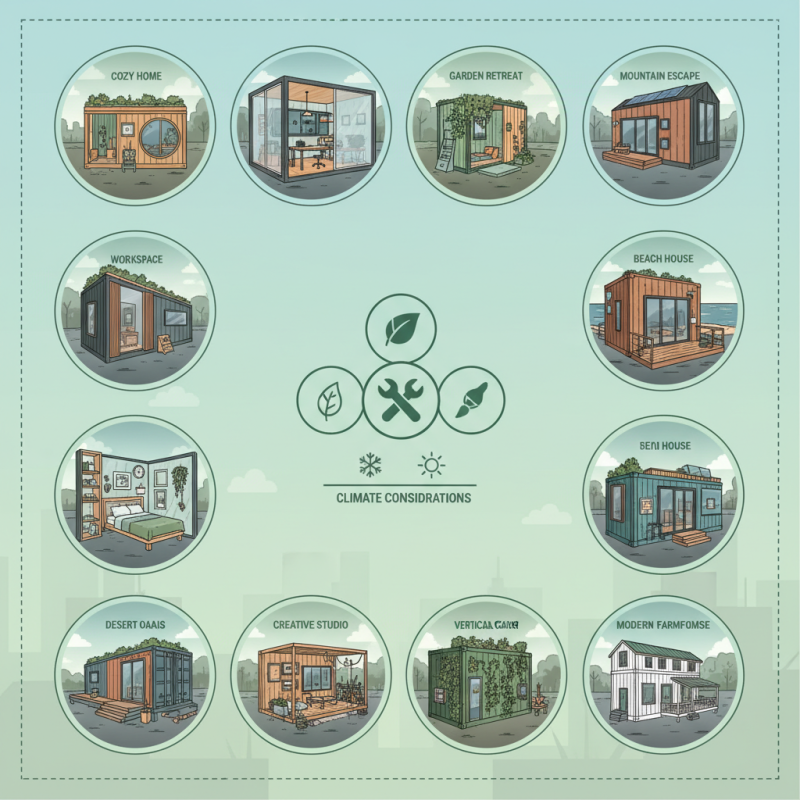
The concept of Single Container Houses draws from resource efficiency and creativity. Each container presents a blank canvas. You can transform it into a cozy home, workspace, or even a retreat. Imagine a vibrant garden wrapping around your container, creating a serene escape from the city buzz. The designs we will explore showcase this versatility beautifully.
Yet, there are challenges. Some may lack sufficient insulation or require renovations for optimal comfort. Buyers must consider their climate and lifestyle choices. Nevertheless, the appeal of a Single Container House remains. It is a balance of minimalism, sustainability, and personal touch. So, whether you seek a trendy home or a functional office space, these designs offer a compelling vision worth exploring.
Innovative Features of Single Container Houses
Single container houses have gained popularity due to their unique designs and functional features. They often boast innovative layouts that utilize space efficiently. Large windows are common, providing natural light and stunning views. Open floor plans create a spacious feel, making small areas seem larger. Many designs focus on sustainable living, incorporating solar panels and rainwater collection.
These homes can be customized easily. You can add decks, green roofs, or even split containers for multi-level designs. However, not every design maximizes space effectively. Some layouts may lead to awkward room placements. A kitchen too close to the living area can feel cramped.
Moreover, the insulation of container homes can be a concern. While some designs address this with quality materials, others fall short. Poor insulation can lead to discomfort in extreme temperatures. It's essential to consider these possible flaws when choosing a design. There’s so much potential in single container houses, but careful planning is crucial.
Sustainable Materials Used in Container House Designs
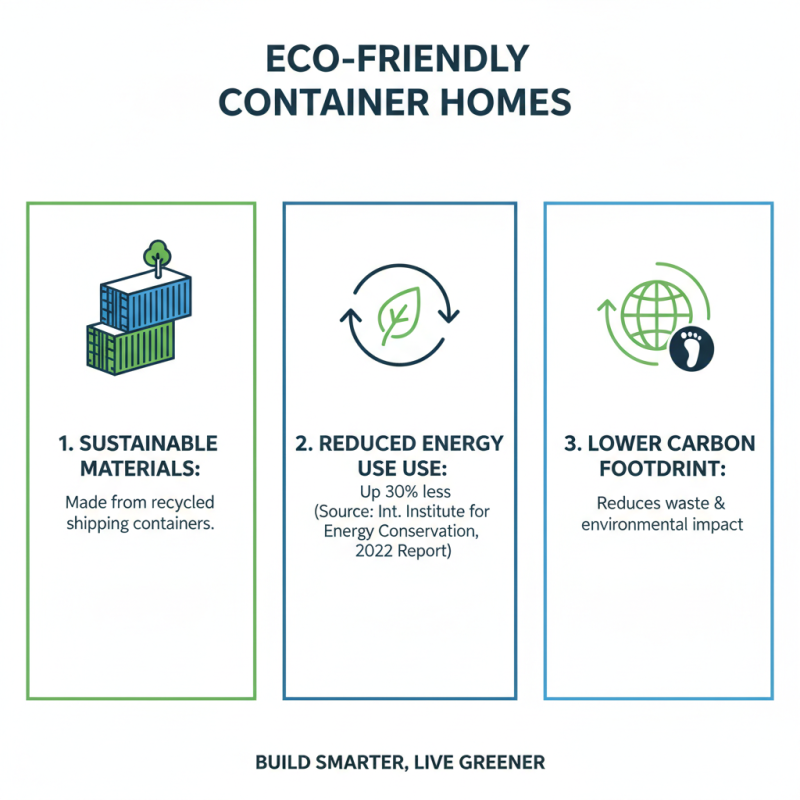
Container houses are gaining popularity. They are often constructed using sustainable materials. This choice supports eco-friendly living. According to a 2022 report by the International Institute for Energy Conservation, building with recycled materials can cut energy use by up to 30%. The use of shipping containers reduces waste and lowers the carbon footprint.
Many container homes use materials like reclaimed wood and eco-friendly insulation. These choices not only enhance aesthetics but also contribute to sustainability. In a study by the Green Building Council, homes built with sustainable materials have a longer lifespan than traditional homes by about 15%. However, some designs still fall short. For instance, improper insulation can lead to energy loss.
The impact of container homes on the environment can be mixed. They offer a solution to urban housing shortages while promoting recycling. Yet, the initial cost of sustainable materials can be higher. This complicates affordability. Additionally, not all designs meet high standards for energy efficiency. Enthusiasts must navigate these challenges carefully.
Top Ten Unique Aesthetics in Container Housing
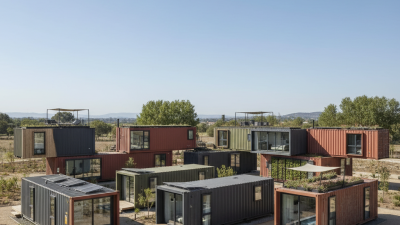
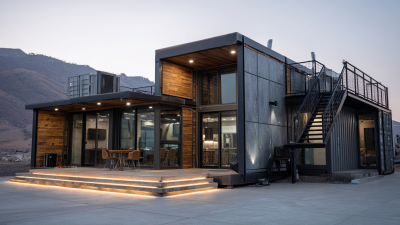
Container housing offers unique aesthetics that blend creativity with functionality. Many designs stand out for their innovative use of space. One common theme is the integration of large windows. This feature floods interiors with natural light. It also connects the outdoors with indoor living. The rugged exterior contrasts beautifully with bright, modern interiors.
Some designs take unexpected shapes. Curves and angular forms challenge the traditional boxy look. This approach makes container homes art pieces in their own right. However, not all designs succeed. Some may look appealing but lack practicality. An ideal container home balances beauty and comfort. Sustainability should also play a key role in design choices.
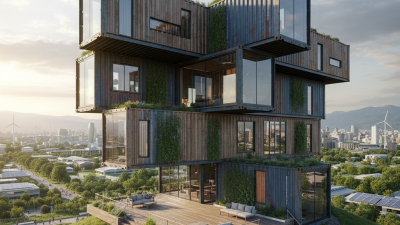
Utilizing reclaimed materials enhances both aesthetics and eco-friendliness. Eco-conscious designs often feature living roofs, promoting biodiversity. These elements may require more planning, but they offer significant rewards. Certain designs, though captivating, might lead to maintenance challenges. It's essential to consider long-term durability. Overall, the beauty in container housing lies in its ability to evolve.
10 Best Single Container House Designs You Need to See
| Design Name |
Size (sq ft) |
Number of Rooms |
Key Features |
Estimated Cost ($) |
| Minimalist Haven |
320 |
1 |
Open Space, Large Windows |
30,000 |
| Eco-Friendly Retreat |
400 |
1 |
Solar Panels, Green Roof |
35,000 |
| Modern Aframe |
350 |
1 |
A-frame Structure, Loft Space |
33,000 |
| Contemporary Cube |
500 |
1 |
Square Design, Floor-to-Ceiling Windows |
40,000 |
| Rustic Lodge |
600 |
2 |
Wood Finishes, Fireplace |
50,000 |
| Urban Escape |
450 |
1 |
Industrial Style, Rooftop Deck |
38,000 |
| Beachside Bungalow |
480 |
2 |
Open Deck, Sea Views |
55,000 |
| Desert Oasis |
400 |
1 |
Sand-Color Palette, Natural Light |
32,000 |
| Woodland Retreat |
375 |
1 |
Sustainable Materials, Surrounded by Nature |
34,000 |
| Smart Home |
420 |
1 |
Smart Technology, Energy Efficient |
39,000 |
Cost and Affordability of Single Container House Designs
When considering single container house designs, cost remains a significant factor. According to a recent industry report by the Container Housing Association, the average cost to build such homes ranges from $10,000 to $35,000. This price often includes essential utilities, insulation, and basic interior finishes. Interestingly, some homeowners have reported spending as little as $7,000 on well-planned DIY projects.
Affordability can vary based on location and design complexity. Urban areas may inflate costs due to land prices and zoning regulations. It's also essential to factor in the potential for long-term savings. Reports suggest that container homes can reduce energy bills by 20-30% due to efficient designs. Yet, not all designs consider optimal insulation, which could lead to higher heating or cooling costs in extreme weather.
Investing in a single container home can spark creativity. Many designs utilize reused materials, which can lower costs. However, some builders find they underestimate expenses during planning. Unexpected challenges, like land preparation and permits, can impact the overall budget. Therefore, it's crucial for prospective buyers to thoroughly evaluate their plans and consult with experienced professionals.
Space Optimization Techniques in Container Home Layouts
Space optimization is crucial in container home designs. A well-planned layout transforms a small area into a functional living space. Containers are often narrow and require strategic use of every inch. Sliding doors can save space and provide a modern touch. Instead of traditional swings, these doors work wonders in tight areas.
Multi-functional furniture is another key component. A sofa that converts into a bed saves space and adds versatility. Stacking chairs or foldable tables can also help. A single container home can feel cramped if not designed wisely. It's essential to consider natural light. Large windows can create an illusion of space, making the interior feel larger and more open.
However, not every design maximizes potential. Some layouts may forget about storage needs. Corner spaces are often overlooked but can hold shelves or cubbies. A minimalist approach can be elegant but might lack warmth. Each design needs balance. Making the best out of limitations is part of the process.