Best Temporary Classrooms Solutions for Effective Learning Environments
In today’s rapidly evolving educational landscape, the need for adaptable and efficient learning environments has never been more critical. The rise of Temporary Classrooms has emerged as a viable solution for schools facing challenges such as overcrowding or the need for immediate space due to unforeseen circumstances. According to Dr. Emily Harrison, a prominent expert in educational infrastructure, "Temporary Classrooms not only provide essential learning space but also foster a sense of community and continuity for students during transitional periods."
These innovative structures not only offer a flexible response to urgent needs but are also designed with educational effectiveness in mind. They can be equipped with modern technology and tailored to various teaching methodologies, making them valuable assets in supporting diverse learning styles. Furthermore, the implementation of Temporary Classrooms allows educational institutions to maintain academic standards without compromising on space or resources. As schools continue to adapt to changing demographics and educational demands, the strategic use of Temporary Classrooms will play a crucial role in shaping effective learning environments for future generations.
Identifying the Need for Temporary Classroom Solutions
The need for temporary classroom solutions has become increasingly evident in the face of rapid population growth and fluctuating school enrollment numbers. According to the National Center for Education Statistics, U.S. public school enrollment is projected to reach 51 million students by 2029, a significant increase that underscores the pressing demand for adaptable learning spaces. Schools often face challenges such as facility renovations, natural disasters, or simply a lack of space, necessitating flexible solutions that can be implemented swiftly without compromising the quality of education.
Moreover, a report by the U.S. Green Building Council reveals that temporary classrooms can effectively meet educational needs while providing environmentally sustainable options. Modular and prefabricated classrooms not only reduce construction waste but also allow for energy-efficient designs, contributing to green school certifications. With the right temporary solutions, educational institutions can ensure that disruptions are minimized, maintaining effective learning environments that support student engagement and achievement during times of transition.
Types of Temporary Classrooms: Options and Features
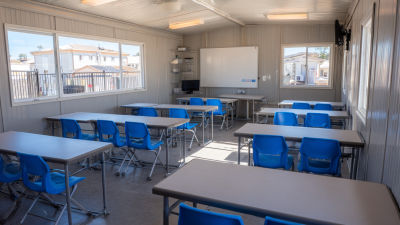
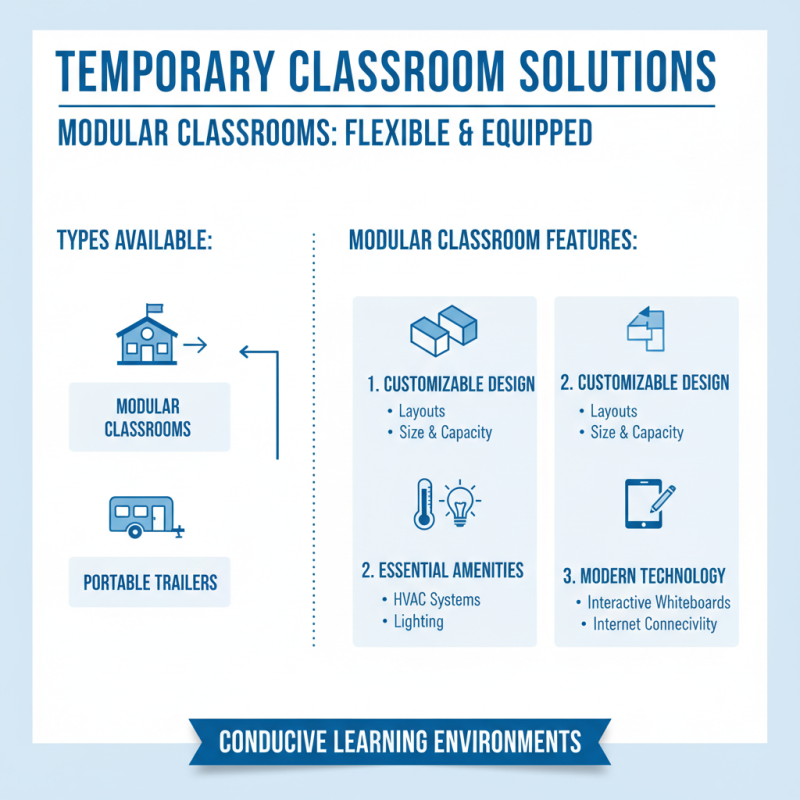
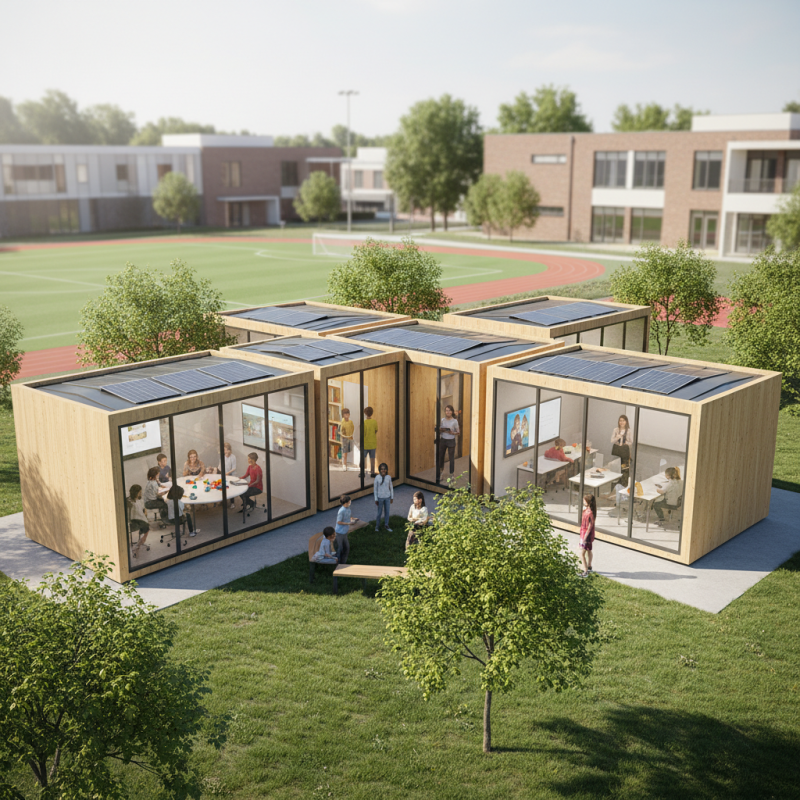
When considering temporary classroom solutions, it is essential to explore the various types available and their distinct features. One popular option is modular classrooms, which offer flexibility in design and can be customized to meet specific educational needs. These units often come equipped with essential amenities such as HVAC systems, lighting, and interactive technology, ensuring that students have a conducive learning environment even outside traditional structures.
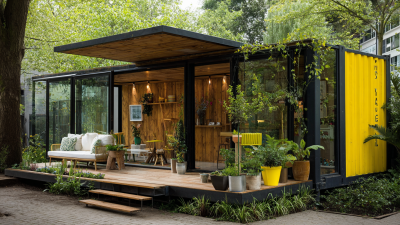
Another effective alternative is portable classrooms, which are designed for quick setup and relocation. These classrooms can be used for short-term projects or to accommodate fluctuating student populations. Their lightweight materials allow for easy transport, while their durable construction ensures they can withstand various weather conditions. Additionally, some portable classrooms are energy-efficient, incorporating sustainable features that align with modern educational values. As schools continue to seek effective temporary solutions, understanding these options will aid in making informed decisions that support learning.
Design Considerations for Effective Learning Environments
When designing temporary classrooms, several design considerations are crucial to creating effective learning environments. First, natural light plays a significant role in enhancing students' focus and well-being. Incorporating large windows or skylights not only brightens the space but also connects learners with the outside world, fostering a more engaging atmosphere. Additionally, the layout of the classroom should promote interaction and collaboration among students. Configuring desks in clusters or semi-circles can facilitate group work and discussions, which are essential for developing critical thinking and communication skills.
Acoustic management is another vital consideration. Temporary classrooms often lack the sound insulation of permanent structures, making it easy for external noise to disrupt learning. Using sound-absorbing materials can help create a quieter environment, allowing students to concentrate on their studies. Furthermore, the incorporation of flexible furniture that can be easily rearranged adds versatility, accommodating various teaching methods and activities. Such adaptability ensures that the learning space can support diverse educational needs while fostering a positive and effective learning atmosphere.
Benefits of Modular Classrooms in Educational Settings
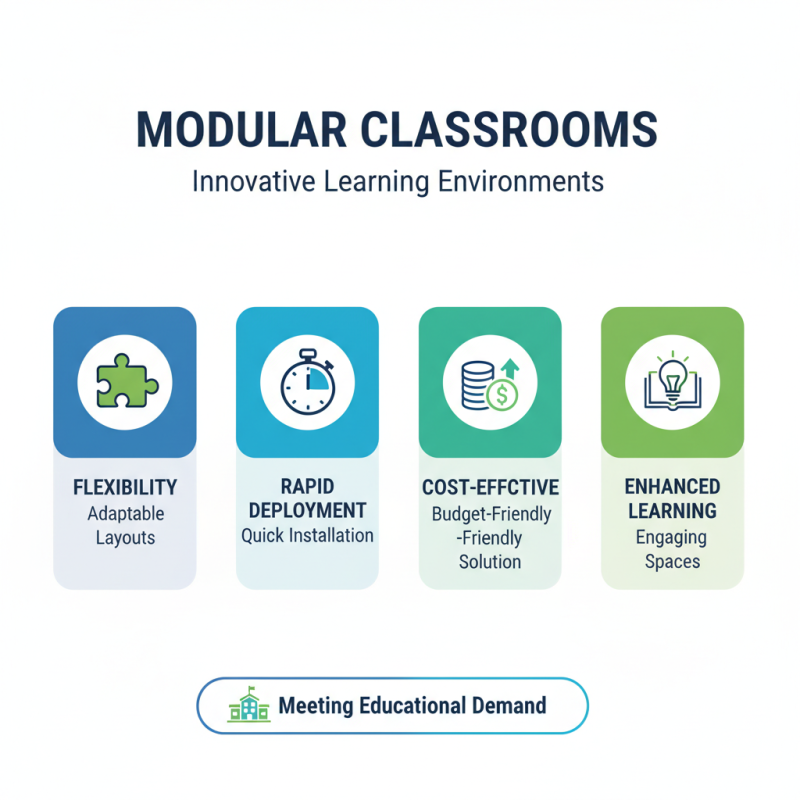
Modular classrooms have emerged as an innovative solution for creating effective learning environments, particularly in times of increased demand for educational space. These structures offer numerous benefits, including flexibility, quick installation, and cost-effectiveness. Educators can easily adapt these classrooms to meet the needs of various teaching methods, thereby enhancing student engagement and learning outcomes.
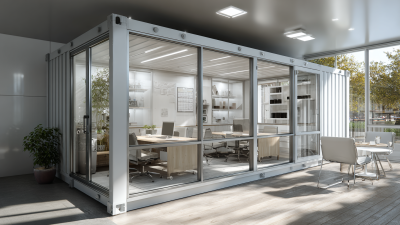
Tips for optimizing modular classrooms include maximizing natural light by strategically placing windows and utilizing light-colored materials to create a brighter, more inviting atmosphere. Another useful tip is to incorporate flexible furniture arrangements that accommodate various learning styles, allowing for both individual and group work. Additionally, ensuring proper sound insulation can enhance focus and minimize distractions, making the learning environment more conducive to academic success.
Finally, consider integrating technology within modular classrooms. Installing smart boards and providing access to high-speed internet not only modernizes the learning space but also facilitates blended learning opportunities. By embracing these strategies, educational institutions can transform temporary classroom spaces into effective, dynamic environments that foster student growth and achievement.
Best Practices for Installing and Managing Temporary Classrooms
When installing temporary classrooms, it is crucial to assess the chosen location carefully. Consideration should be given to accessibility, safety, and proximity to essential facilities such as restrooms and administrative areas. A well-planned layout can enhance the learning environment, allowing for effective movement between spaces while promoting collaboration among students. Additionally, utilizing modular designs can optimize space and resources, providing flexibility to adapt to various educational needs.
Management of temporary classrooms goes beyond mere installation. Regular maintenance and prompt addressing of any issues are essential to ensure a conducive learning atmosphere. Establishing clear communication channels among staff, students, and parents can facilitate feedback and promote collective ownership of the learning environment. Furthermore, incorporating technology and ensuring that temporary setups include adequate resources such as Wi-Fi and interactive tools can help maintain a quality educational experience that parallels traditional classrooms. By emphasizing these best practices, schools can create effective temporary learning environments that meet the demands of their students.
Best Temporary Classrooms Solutions for Effective Learning Environments
| Solution Type |
Description |
Installation Time |
Cost Estimate |
Capacity |
| Modular Buildings |
Pre-constructed sections that can be assembled on-site. |
2-4 weeks |
$100-$300/sq ft |
20-30 students |
| Mobile Classrooms |
Transportable units to provide on-demand classroom space. |
1-2 weeks |
$10,000-$50,000 |
15-25 students |
| Tents |
Temporary outdoor structures for rapid deployment. |
1-3 days |
$1,000-$5,000 |
10-20 students |
| Repurposed Spaces |
Utilizing existing structures for educational use. |
Varies |
Varies |
Varies |