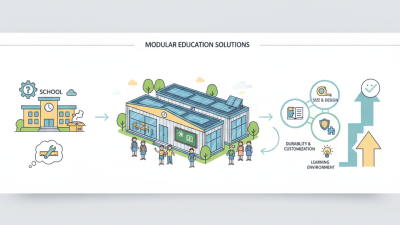
Best Temporary Classrooms Solutions for Global Buyers?
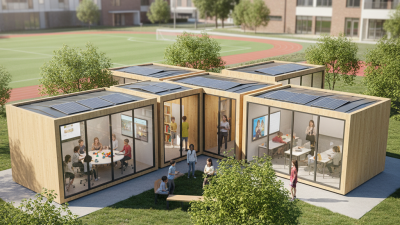
In today's rapidly changing educational landscape, the need for effective Temporary Classrooms has risen significantly. These flexible learning spaces cater to various challenges, from increasing student enrollment to accommodating renovations. Global buyers must consider the best solutions available to meet these demands.
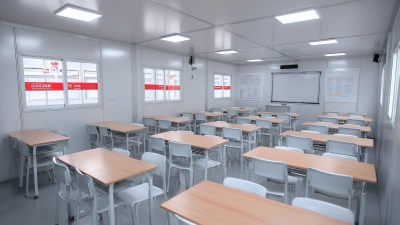
Temporary Classrooms can be tailored to fit different environments. Options range from modular designs to portable units. Each solution presents its own benefits and limitations. It is crucial to evaluate features such as durability, cost-effectiveness, and ease of assembly. Some solutions may fall short in long-term sustainability. However, they can serve immediate needs effectively.
Finding the right Temporary Classrooms involves research and expert insights. Not every choice will meet specific requirements or budgets. By exploring diverse options, buyers can strike a balance between practicality and purpose. Engaging with knowledgeable suppliers will aid in making informed decisions for effective learning environments.
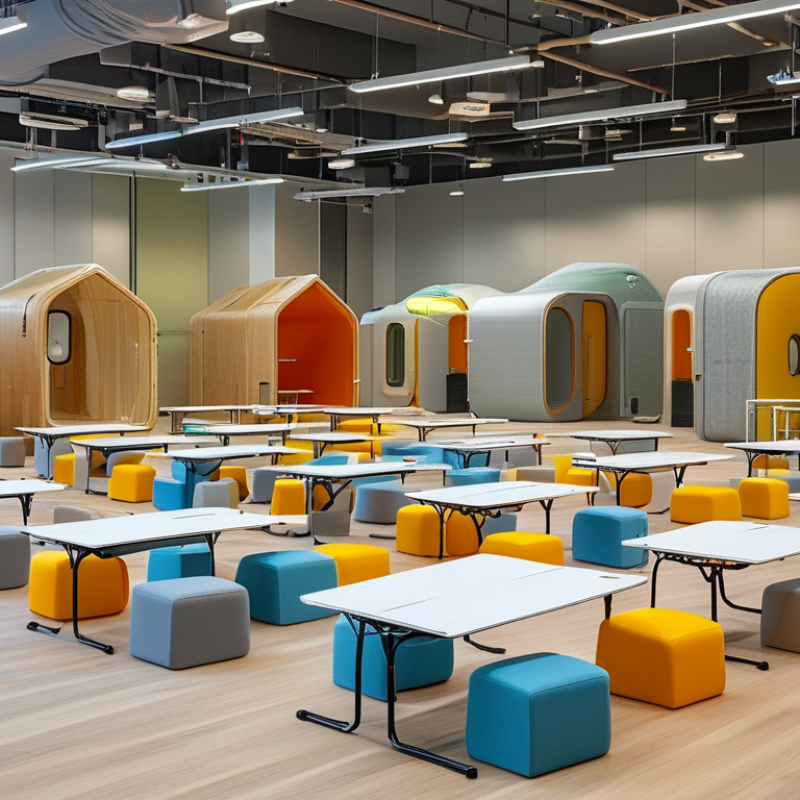
Best Practices for Selecting Temporary Classroom Solutions
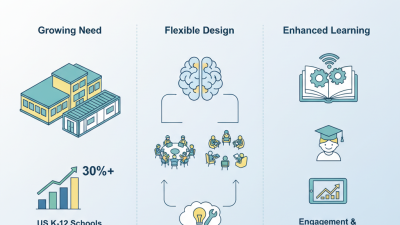
Selecting the right temporary classroom solutions can be challenging yet rewarding. Various reports indicate that nearly 20% of schools face overcrowding issues, driving the need for innovative spaces. Temporary classrooms offer flexibility and can be set up quickly. However, the selection process requires careful consideration of specific factors.
One vital factor is the material used in construction. Traditionally, steel and wood are common, but sustainable options like recycled materials are gaining traction. Data from the Global Education Facility suggests that schools using sustainable classrooms experience a 15% improvement in student engagement and learning outcomes.
Tip: Assess the environmental impact of the materials chosen. Such considerations can enhance a school's image and contribute positively to students' learning environment.
Another aspect to consider is location. It’s essential to analyze site accessibility. If temporary classrooms are hard to reach, they may defeat their purpose. A survey by the International School Association indicates that 30% of temporary classrooms are underutilized due to poor location planning.
Tip: Engage with the community to gather insights on effective placement. This engagement can lead to better use of resources and ultimately benefit students. The right choice is pivotal, yet it often requires ongoing evaluation and adjustments. Remaining flexible ensures that temporary solutions meet evolving needs.
Factors to Consider When Choosing Temporary Classrooms
When selecting temporary classrooms, several factors must guide global buyers. Understanding local climate conditions is crucial. A report by the Global Facility Management Association indicates that temperature variations can significantly impact classroom materials. For example, extreme heat can warp wooden structures, while excessive moisture might lead to mold growth.
Safety standards play a pivotal role as well. Temporary classrooms must comply with national and international safety regulations. A 2021 study found that 20% of temporary classrooms did not meet local building codes. Buyers should prioritize classrooms with adequate fire safety measures and structural integrity. Finally, it’s essential to consider the ease of installation and disassembly. Long setups can lead to extended periods without adequate learning spaces, particularly in emergency situations. Thus, shorter timelines can directly affect the quality of education.
Budget constraints are another reality. Data from the Education Facilities Clearinghouse reveals that schools often underestimate total costs. Hidden expenses in transportation and maintenance can add up quickly. Buyers must be flexible and realistic in their budgeting to ensure effective long-term solutions. Each of these factors demands careful assessment and reflection to make informed decisions.
Best Temporary Classrooms Solutions for Global Buyers
| Feature |
Description |
Importance Level |
Estimated Cost (Per Unit) |
| Portability |
Ease of moving the classroom to different locations. |
High |
$5,000 |
| Durability |
Ability to withstand various weather conditions and wear. |
Medium |
$7,500 |
| Setup Time |
Time required to assemble and disassemble the classroom. |
High |
$2,000 |
| Insulation |
Effective temperature control for comfort. |
Medium |
$4,000 |
| Customization Options |
Ability to personalize layout and design according to needs. |
Low |
$3,000 |
Innovative Designs for Temporary Classroom Spaces
Temporary classrooms are increasingly crucial in education, especially in areas with fluctuating student populations.
Innovative designs can transform these spaces into effective learning environments. According to a 2022 report by the
Global Education Monitoring Report, more than 260 million children are out of school.
Temporary classrooms can address this issue by providing flexible solutions for immediate needs.
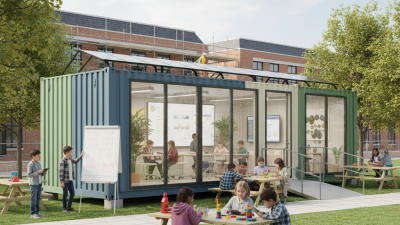
The design of these classrooms often incorporates modular elements. These structures can be assembled quickly and customized
to various educational needs. Research shows that classrooms with well-planned layouts enhance student
engagement. For example, spaces with natural light and open layouts improve concentration. A study highlighted that
80% of students performed better in well-ventilated spaces. These statistics
emphasize the importance of thoughtful design in temporary classrooms.
However, there are challenges. Rapidly constructed classrooms may compromise durability. Many designs prioritize
speed over longevity. This approach can lead to increased maintenance costs. Continuous evaluation of these structures is
essential. Schools must balance immediate needs with long-term quality and sustainability. Future designs should reflect
ongoing changes in educational standards and environmental concerns.
Cost Analysis of Different Temporary Classroom Options
When evaluating temporary classroom solutions, cost is a crucial factor. Various options exist, each with its own price range.
Prefabricated classrooms are often popular due to their quick assembly and relatively lower costs. However, this type of classroom may lack the durability needed for long-term use.
Another viable option is modular classrooms. These can be more expensive than prefabricated units but offer enhanced flexibility and customization. They provide a more comfortable learning environment, resembling a traditional classroom. However, buyers should weigh the higher initial cost against potential long-term benefits.
Tip: Consider the total cost of ownership when choosing a temporary classroom. Initial prices may not reflect long-term expenses. Maintenance and utilities can rapidly increase overall costs. Researching materials used in construction can also impact your decision.
Additionally, the location of the classroom affects cost. Urban areas may have higher logistical fees associated with delivery and installation. Ensure you account for transportation when budgeting. Lastly, don’t overlook the importance of local climate. Some materials may not withstand harsh weather conditions, leading to future repairs or replacements.
Sustainability Practices in Temporary Classroom Construction
In the realm of education, temporary classrooms hold immense potential. However, the construction of these structures often overlooks sustainability. Many products used are not eco-friendly. This is a missed opportunity for a more conscious approach. Schools can lead the way in promoting environmentally responsible practices.
Utilizing recycled materials in construction is one effective strategy. These materials help reduce waste and lower costs. Furthermore, sourcing locally can minimize carbon footprints. It fosters community engagement and supports local economies. Yet, not all regions have access to such resources. This disparity is troubling and demands reflection.
Energy efficiency is another vital aspect. Incorporating features like natural lighting and good insulation can significantly reduce energy consumption. Sadly, some temporary classrooms ignore these principles for lower costs. This short-sightedness may save money now but leads to greater long-term expenses. Schools must prioritize sustainable designs, not just for the present but for the future of our planet.
Temporary Classrooms Sustainability Practices