How to Build a Container Casa in 2025 for Sustainable Living
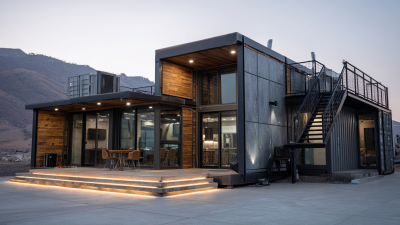
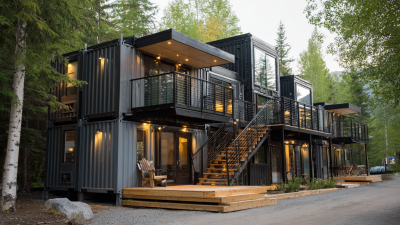
In an era where sustainability is becoming increasingly essential, the concept of a "Container Casa" stands out as a revolutionary approach to eco-friendly living. As we look towards 2025, the idea of building homes from repurposed shipping containers is not just a trend but a necessity that addresses both housing shortages and environmental concerns. Renowned expert in sustainable architecture, Dr. Jane Holloway, emphasizes this shift by stating, "The Container Casa movement represents a smart solution to our pressing need for sustainable and affordable housing in urban areas."
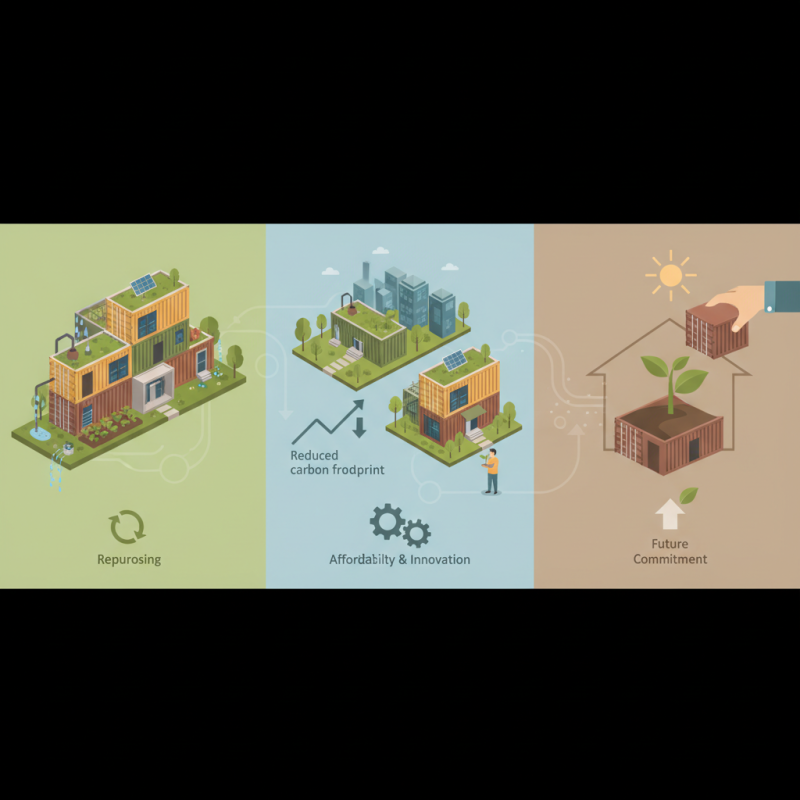
With the growing interest in minimalist lifestyles and sustainable construction, Container Casas offer a unique blend of adaptability and environmental consciousness. Utilizing materials that would typically be deemed waste, these homes reflect innovation and practicality, aligning with the values of a new generation of homeowners. As urban populations continue to rise, these homes not only reduce our carbon footprint but also provide a creative outlet for sustainable design.
In conclusion, as we approach 2025, the Container Casa symbolizes more than just a housing option; it is a commitment to a more sustainable future. By embracing this pioneering method of construction, we can foster communities that prioritize environmental stewardship while still meeting the need for affordable living spaces. The journey towards building a sustainable home begins now, and the Container Casa is at the forefront of this transformation.
Planning Your Container Casa: Key Considerations for 2025
When planning to build a container casa in 2025, there are several key considerations to ensure sustainability and efficiency. According to recent studies, the construction sector is responsible for nearly 40% of global carbon emissions, highlighting the critical need for sustainable practices in building designs. Opting for repurposed shipping containers not only reduces waste but significantly lowers the carbon footprint associated with traditional building materials. In fact, utilizing an average of six shipping containers can result in a savings of approximately 75% in the embodied energy compared to conventional homes.
Furthermore, integrating renewable energy sources into your container casa design is essential for long-term sustainability. A report from the International Energy Agency (IEA) predicts that globally, renewable energy capacity will need to double by 2030 to meet growing energy demands. This suggests a shift towards incorporating solar panels or wind turbines into container homes for energy self-sufficiency. Additionally, essential water management systems, such as rainwater harvesting and greywater recycling, can significantly enhance water efficiency and reduce overall utility costs. Planning these elements into your design will not only make your container casa sustainable but will also create a more resilient living space for the future.
Selecting Sustainable Materials for Your Container Home Construction
When constructing a container casa, selecting sustainable materials is crucial for promoting eco-friendly living. Start with the shipping containers themselves, which can be repurposed and reused, minimizing waste and the need for new materials. Look for containers that are certified to be free from harmful chemicals, ensuring that the indoor environment remains healthy. Additionally, consider insulating materials that offer thermal efficiency while being sustainable, such as sheep's wool, recycled denim, or cellulose made from recycled paper. These options not only reduce energy consumption but also contribute to a smaller carbon footprint.
Moreover, incorporate sustainable building practices by utilizing locally sourced materials for interior finishes and structural enhancements. Natural materials like bamboo or reclaimed wood add aesthetic appeal while reducing transportation emissions. Additionally, installing energy-efficient windows and doors made from recycled or sustainable sources can significantly improve the container home's energy efficiency. Emphasizing the use of low-VOC paints and finishes ensures that your living space is safe and contributes to better indoor air quality. By prioritizing these sustainable materials, your container casa can become a model of eco-friendly living in 2025 and beyond.
Materials for Sustainable Container Home Construction in 2025
Designing Efficient Layouts for Space Optimization and Comfort
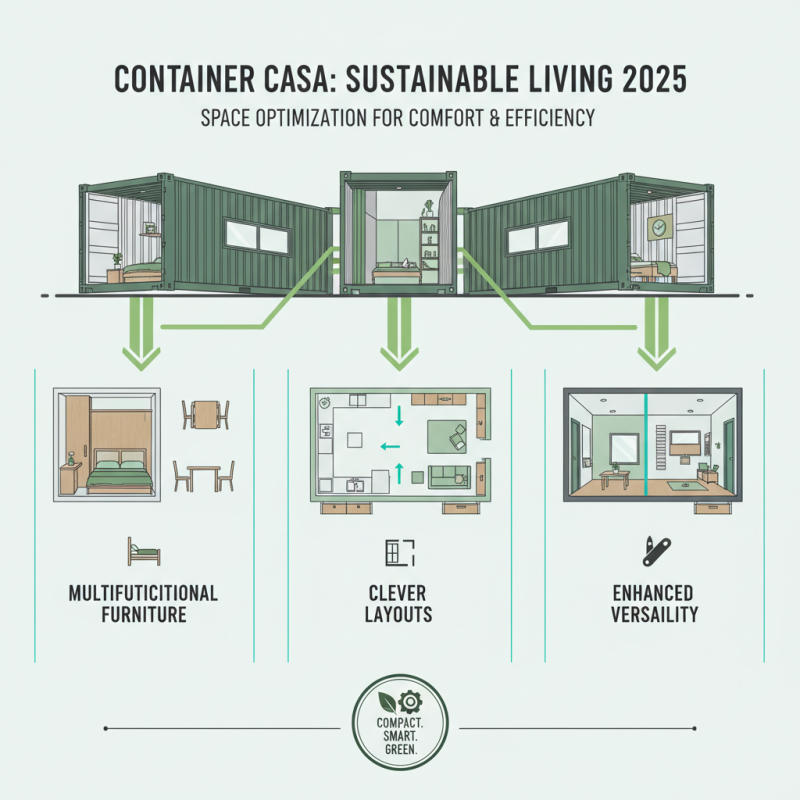
When designing a Container Casa for sustainable living in 2025, optimizing space for comfort and efficiency is paramount. The compact nature of shipping containers presents unique challenges, but with thoughtful layouts, one can create a home that feels spacious and inviting. Use multifunctional furniture to maximize space—think foldable tables and Murphy beds that can easily convert a room for various uses. This approach not only saves square footage but also enhances the versatility of each area.
Tips for creating efficient layouts include prioritizing natural light. Position windows strategically to allow for ample sunlight, which can make even the tightest spaces feel airy and warm. Incorporating open shelving instead of bulky cabinets can also effectively use vertical space while keeping the area visually open. Furthermore, create defined zones for lounging, working, and sleeping without the need for walls. Using rugs or lighting to delineate these spaces can foster a sense of order and comfort.
Consider modular designs that can grow or adapt over time. Built-in storage solutions under stairs or raised platforms can utilize often-overlooked areas, allowing you to keep the living space clutter-free. By focusing on these design principles and tips, your Container Casa can be a harmonious blend of sustainability, space optimization, and comfort, perfectly tailored for modern living.
Implementing Renewable Energy Solutions in Container Casas
Implementing renewable energy solutions in container casas is essential to achieving sustainable living. As the world increasingly prioritizes eco-friendly housing, integrating renewable energy sources such as solar and wind power into container homes can significantly reduce their carbon footprint. According to a report from the International Energy Agency (IEA), transitioning to renewable energy for residential use could decrease greenhouse gas emissions by up to 70% by 2030. This highlights the potential impact of utilizing sustainable energy solutions in modern housing, including container casas.
Solar panels are one of the most effective renewable energy options for container homes. They can be easily installed on the roof, providing a reliable energy source that can power appliances and lighting. The National Renewable Energy Laboratory (NREL) estimates that a typical residential solar system can offset approximately 80% of electricity consumption, leading to substantial cost savings for homeowners. Furthermore, integrating a small wind turbine, where applicable, can complement solar energy by generating additional electricity, especially in areas with consistent wind patterns.
The adoption of energy storage systems, such as lithium-ion batteries, ensures that energy generated during the day can be stored for nighttime use, optimizing energy efficiency. A report by BloombergNEF indicates that the cost of battery storage has fallen by 87% over the past decade, making it a viable option for sustainable energy solutions in container casas. By harnessing these renewable technologies, container home builders can create more self-sufficient and eco-friendly living spaces that align with the principles of sustainable development.
How to Build a Container Casa in 2025 for Sustainable Living - Implementing Renewable Energy Solutions in Container Casas
| Aspect |
Details |
| Container Type |
Reinforced steel containers |
| Size |
20-foot and 40-foot containers |
| Insulation |
Eco-friendly insulation materials |
| Energy Source |
Solar panels and wind turbines |
| Water System |
Rainwater harvesting and filtration |
| Waste Management |
Composting and recycling systems |
| Living Space Design |
Open layouts with multifunctional furniture |
| Smart Home Features |
Energy management systems and IoT integration |
Navigating Local Regulations and Permits for Container Housing
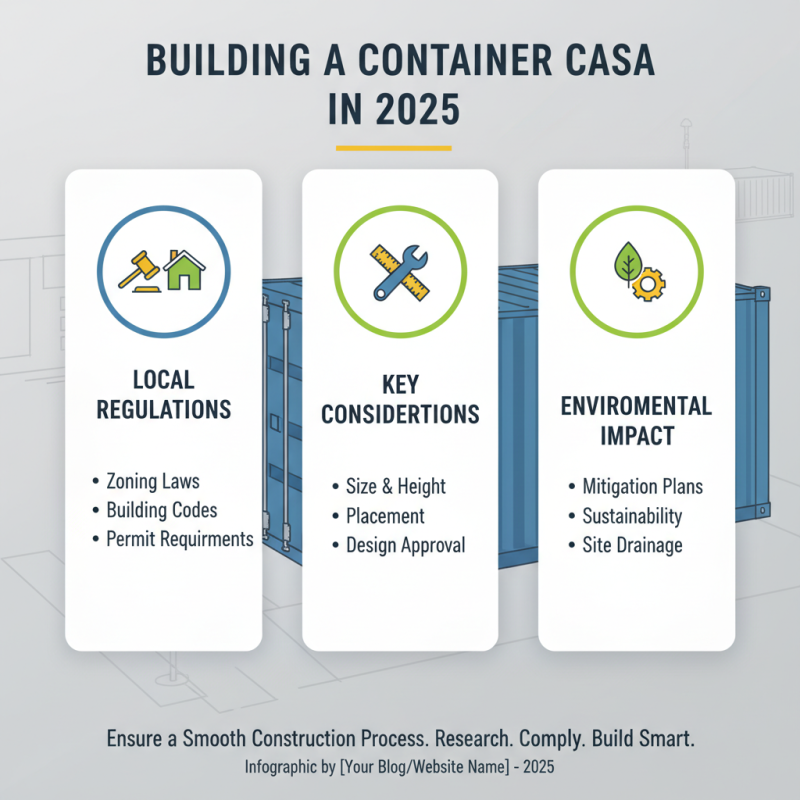
When considering building a container casa in 2025, understanding local regulations and permits is crucial to ensure compliance and a smooth construction process. Each locality has its own zoning laws, building codes, and permit requirements, which can significantly impact your project. Begin by researching the specific regulations in your area, which may dictate aspects such as the size, height, and placement of the container home. Additionally, some regions may have restrictions based on environmental impact, requiring you to submit detailed plans demonstrating how you intend to mitigate potential issues.
Once you've familiarized yourself with the relevant regulations, the next step is to navigate the permit application process. This often involves gathering documentation such as site plans, architectural drawings, and environmental assessments. It's advisable to consult with local authorities or a professional familiar with the housing regulations in your area. They can guide you through the complexities of applying for permits. In some cases, community approval may also be necessary, especially if your project alters the neighborhood's landscape. Being proactive in communication can foster goodwill and help address any concerns from neighbors or local officials regarding your container home.