How to Build a Container House on a Budget?
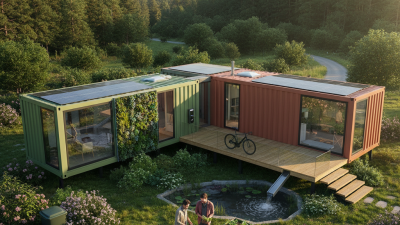
Building a Container House on a budget can be an innovative solution for many. As per a report from the Container Housing Institute, costs can be cut by 30% compared to traditional homes. This appeal makes container homes a popular choice for those seeking affordability and sustainability.
Container Houses are not just a trend; they are transforming the housing market. In 2022, the global container housing market was valued at approximately $5 billion. The demand is projected to grow by 25% annually. However, while the initial cost can be lower, many underestimate hidden expenses. Permitting, insulation, and customization can add up quickly.
The vision of a stylish, modern home is often marred by unexpected challenges. Buyers may focus on aesthetics but overlook practical details. Things like ventilation and water supply can complicate the construction process. Thus, it is crucial to weigh dreams against the realities of building a Container House. Each decision counts.
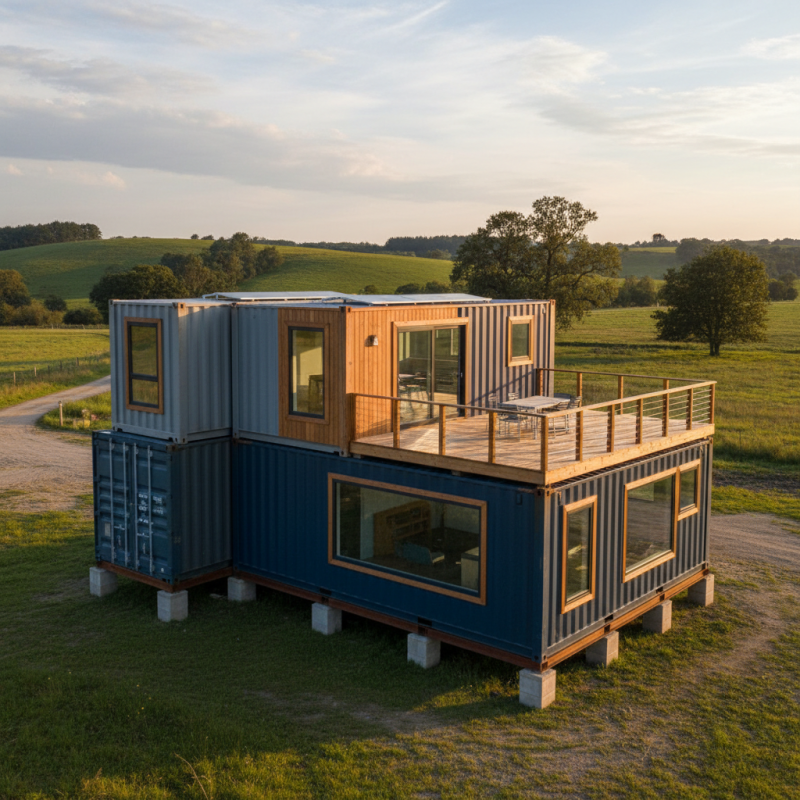
Understanding Container Housing: Benefits and Basics
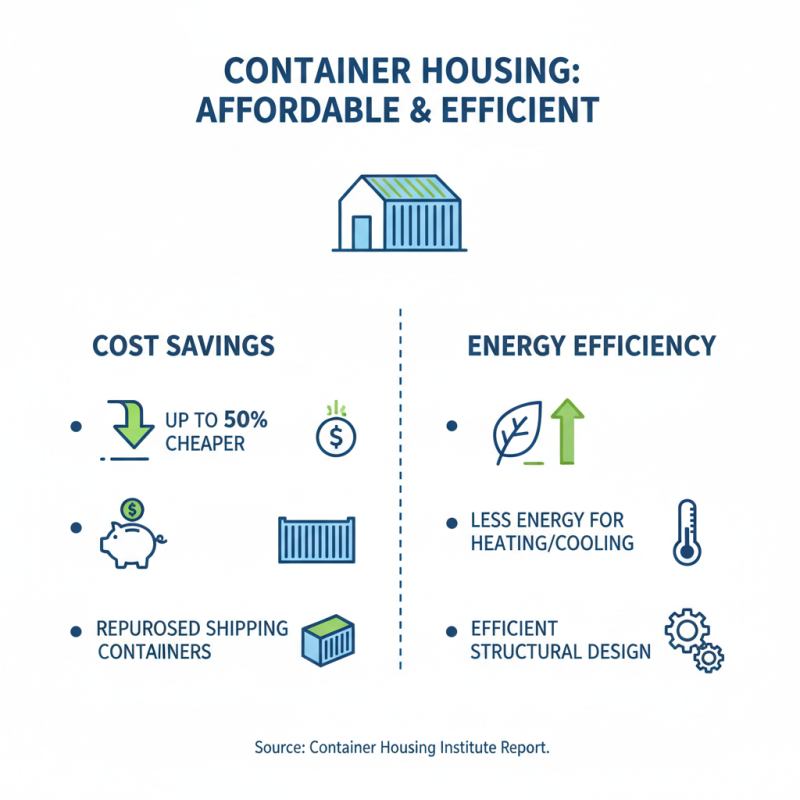
Container housing is gaining traction as a viable and budget-friendly housing solution. According to a report by the Container Housing Institute, these homes can cost up to 50% less than traditional houses. This affordability stems from the use of repurposed shipping containers, which are often readily available and relatively inexpensive. In addition, these homes require less energy to heat and cool due to their efficient structural design.
Building a container home also has significant environmental benefits. A survey by the Green Building Council found that up to 70% of new structures could reduce their carbon footprint through sustainable practices like using repurposed materials. However, challenges exist. Not every container is in prime condition, and some may require extensive renovation. Careful selection is crucial to avoid structural issues down the line.
Moreover, zoning regulations can pose hurdles. Some areas may not permit container homes, creating a need for thorough research before starting a project. It’s also vital to consider insulation and plumbing, as these aspects can complicate the building process. A container home might be affordable, but hidden costs can arise. Careful planning and attention to detail are essential for a successful build.
Budget Planning: Estimating Costs for Your Container Home
When planning to build a container house, budget is key. The average cost of converting a standard shipping container into a home ranges from $10,000 to $35,000 (Container Homes USA, 2022). This wide range depends on various factors, such as location and the complexity of the design. Structural modifications and permits can drive costs up as much as 30%.
Tip: Seek out local regulations. Some areas have specific codes regarding container homes. Understanding these will help avoid unforeseen expenses.
Materials also play a massive role. Insulation, windows, and interior finishes vary greatly in price. On average, budgeting $1,000 to $5,000 for insulation is wise. Opt for both economical and durable materials. Not all cheap options will last, leading to future costs.
Tip: Consider DIY projects. This can save labor costs significantly. Yet, ensure you possess necessary skills. Otherwise, mistakes can lead to added expenses.
Each decision layers complexity and potential oversights. Focus on essential elements first to stick to your budget. Balance quality and affordability for a successful container home.
Choosing the Right Container: Sizes and Structural Integrity
When building a container house on a budget, choosing the right container is crucial. Containers come in different sizes, such as 20-foot and 40-foot units. Keep in mind that larger containers offer more space but may cost more. Think about how much room you need. A smaller container can be cozy but may limit your design options.
Structural integrity is also essential. Not all containers are made equal. Some may have rust or damage. Inspect the containers carefully before purchasing. Look for signs of wear, especially around corners and welds. This avoids future expenses on repairs.
Tips: Focus on containers with minimal rust. Check for structural defects. Get a professional opinion if unsure. This can save money in the long run.
Consider the layout as well. A 20-foot container may fit your budget but restricts layout ideas. Multiple smaller containers might provide better options for room designs. Reflect on your needs before making a decision. Balancing size and condition can lead to a successful budget-friendly project.
Container House Sizes and Their Average Costs
This chart illustrates the average costs associated with purchasing different sizes of shipping containers suitable for building a container house. The costs can vary based on the container's condition, location, and structural integrity.
DIY vs. Hiring Professionals: Cost-Effective Construction Options
Building a container house can be a rewarding project. Choosing to DIY or hire professionals impacts your budget significantly. DIY projects can save money but require time and skills. You’ll need to research the necessary tools and materials. For inexperienced builders, tasks can become overwhelming.
On the flip side, hiring professionals ensures quality and speed. However, it comes with a higher price tag. Professionals have the right experience. They understand the challenges of building with containers. They can avoid common pitfalls that DIY builders might encounter. But, it can be a financial strain. You may wonder if the cost is justified.
Consider mixing both approaches. Tackle simpler tasks yourself and leave complex work to experts. This method can balance savings and quality. Remember, every project has its unique difficulties. Embrace imperfections in the process, like small mistakes or design flaws. Each misstep offers learning opportunities.
How to Build a Container House on a Budget?
| Option |
Estimated Cost |
Pros |
Cons |
| DIY Construction |
$10,000 - $20,000 |
Cost savings, customizable design |
Time-consuming, requires skills |
| Hiring Professionals |
$30,000 - $50,000 |
Expertise, faster completion |
Higher cost, less control over design |
| Hybrid Approach |
$15,000 - $35,000 |
Balanced cost, partial DIY |
Complex coordination, may still take time |
Essential Tools and Materials for Building a Container House
Building a container house on a budget requires essential tools and materials that facilitate the process. The average cost of constructing a container home ranges between $10,000 and $35,000, depending on size and scale. Basic tools include a welding machine, a cutting torch, and a drill. These tools let you manipulate the steel structure effectively.
Materials play a crucial role in overall project costs. You'll need insulation, paint, and flooring. Insulation is vital for energy efficiency. Studies show that proper insulation can reduce energy costs by up to 40%. Using reclaimed materials can further cut costs and add character to your home. Research indicates that about 30% of housing projects utilize recycled materials. This not only saves money but also promotes sustainability.
It's important to recognize the limitations of container homes. While they offer benefits, they may not always be practical in every climate. In regions prone to extreme weather, additional reinforcements may be needed. This can increase your budget. A thorough survey of local regulations is also essential, as these can impact your overall expenses. Think carefully about design limitations, too. A container's fixed dimensions can constrain creative ideas.