How to Build Creative Container Homes in 2026?
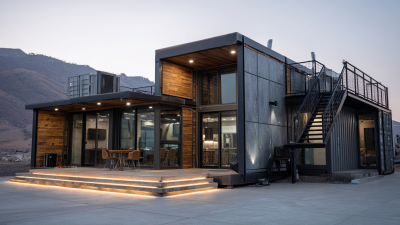
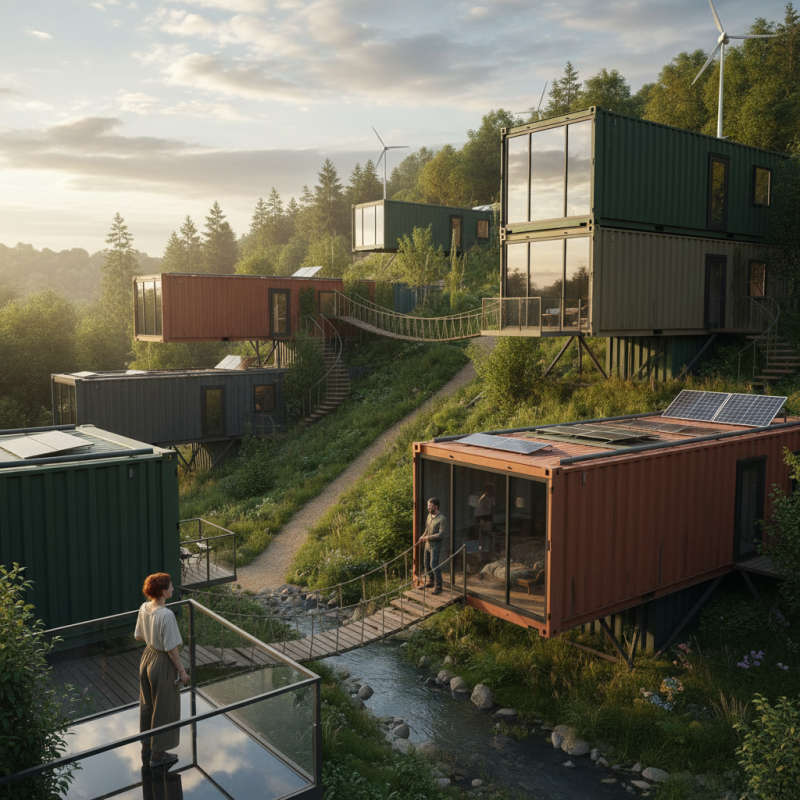
As we look towards 2026, the concept of Creative Container Homes is capturing attention worldwide. Renowned architect Bella Green emphasizes the importance of sustainability in this sector. She once stated, "Container homes redefine living while respecting our planet." This perspective highlights a shift towards innovative, eco-friendly housing solutions.
Creative Container Homes offer unique advantages. They are affordable, flexible, and can be tailored to various lifestyles. For instance, a well-designed container home can blend seamlessly into natural surroundings. However, not every project is flawless. Challenges often arise during the planning process. Sometimes, regulations and zoning laws can complicate matters.
While the appeal of Creative Container Homes is undeniable, there's more to consider. Aesthetic choices can conflict with functionality. Owners must reflect on their needs versus wants. Balancing personal style with practical living is essential. Prospective builders should weigh these factors carefully as they embark on creating their dream homes.
Choosing the Right Shipping Container for Your Home Project
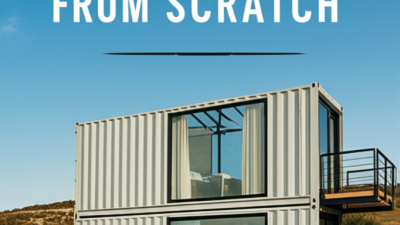
Choosing the right shipping container is crucial for your home project. Each container has unique features. Standard sizes include 20-foot and 40-foot models. Inspect the containers carefully for rust and dents. These imperfections can impact your home's structure.
Consider insulation and ventilation. Some containers may lack appropriate insulation. This can lead to uncomfortable temperatures. Proper design planning is key. Focus on natural light and airflow. Choose a location that can maximize these aspects.
Budget is important. Used containers may save money, but often need repairs. Weigh the upfront cost with potential renovation expenses. Think about how you want to use the space. Bedrooms, kitchens, or living areas? Make sure each container fits your vision. Reflect on your choices throughout the design process.
How to Build Creative Container Homes in 2026? - Choosing the Right Shipping Container for Your Home Project
| Container Size |
Dimensions (LxWxH) |
Weight (Empty) |
Estimated Cost |
Best Use |
| 20 ft |
20' x 8' x 8.5' |
2,300 lbs |
$3,000 |
Small Homes / Studios |
| 40 ft |
40' x 8' x 8.5' |
4,000 lbs |
$4,500 |
Family Homes / Offices |
| 40 ft High Cube |
40' x 8' x 9.5' |
4,400 lbs |
$5,000 |
Spacious Homes / Workshops |
| 45 ft |
45' x 8' x 8.5' |
4,800 lbs |
$6,000 |
Large Family Homes |
Planning the Layout: Maximizing Space in Container Homes
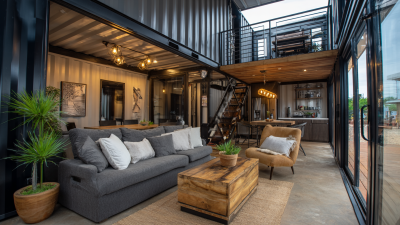
When planning the layout for creative container homes, maximizing space is essential. Containers have limited dimensions, which can be a challenge. However, with thoughtful design, even small areas can feel spacious. Open-concept designs help create a flow. Combining living, dining, and kitchen spaces can make the home feel larger. Large windows enhance natural light, making rooms feel airy.
Consider multi-functional furniture. These pieces save space and provide utility. A sofa that converts into a bed or a table that folds down can be game-changers. However, achieving a functional layout takes trial and error. You might end up with a cluttered living space if you’re not careful. It’s important to regularly reassess your design choices and adapt as needed.
Using vertical space is another smart strategy. High shelves and wall-mounted storage can reduce clutter. Still, this approach requires balance. Overloading walls with shelves can make spaces feel cramped. Sometimes, less is more. Aim for simplicity to achieve tranquility in your container home. The goal is to create a functional yet inviting environment. Embrace the imperfections and learn from them as you refine your vision.
Insulation and Ventilation Strategies for Container Living
When building container homes, insulation is crucial. Poor insulation leads to temperature extremes. In winter, the cold can seep in. In summer, heat can become unbearable. Consider spray foam or rigid board insulation. Both options provide excellent thermal resistance. Often, homeowners overlook corners and seams. These areas need attention too. Gaps can lead to drafts and energy loss.
Ventilation is another key aspect. Proper airflow keeps indoor air fresh. It prevents humidity and mold growth. Use windows, vents, or mechanical systems for ventilation. Many forget to install exhaust fans in kitchens and bathrooms. Without them, moisture accumulates. This can damage structure and air quality. Cross-ventilation techniques can also enhance airflow. Open opposite windows to create a breeze. This small detail can significantly improve comfort.
It's easy to focus on aesthetics. However, function should come first. A beautiful home is not sustainable without insulation and ventilation. It's a common mistake to ignore these practical needs. Building a container home requires balancing creativity and functionality. Always remember: thoughtful planning is the key. Simple choices often lead to the best outcomes in container living.
Integrating Sustainable Energy Solutions in Container Homes
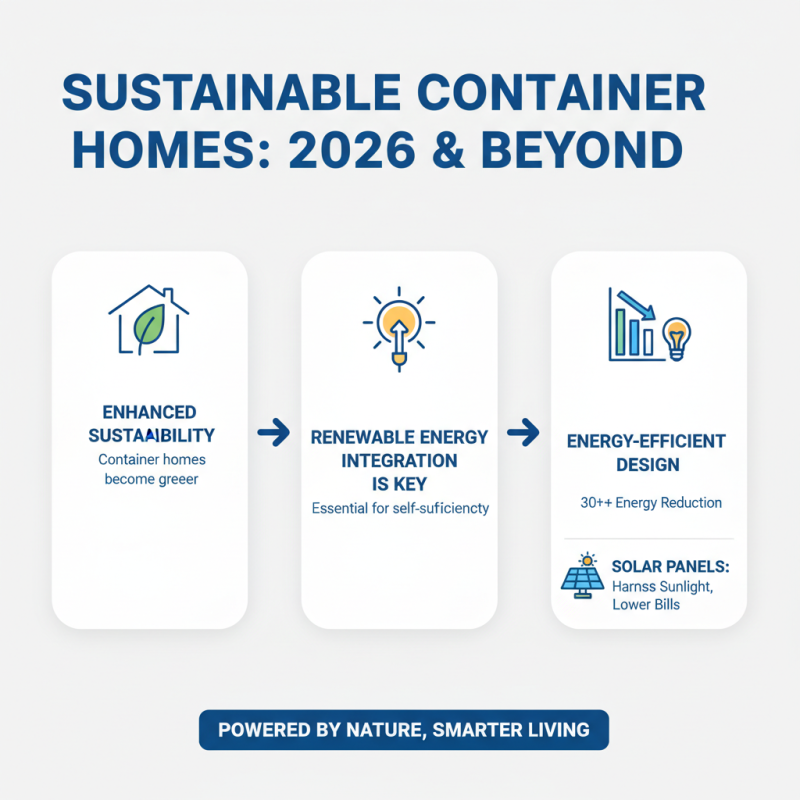
In 2026, container homes can become even more sustainable. Integrating renewable energy solutions is essential. Research shows that energy-efficient designs can reduce energy consumption by over 30%. Solar panels, for example, are an excellent choice for these homes. They harness sunlight to power daily needs, lowering utility bills significantly.
Wind energy is another option. Small wind turbines can be installed on the property. They can generate electricity in areas with sufficient wind. A study indicates that using a combination of solar and wind power can lead to up to 80% energy independence. However, site assessments are crucial. Not every location is suitable.
Recycling and reusing materials are vital for sustainability too. While many focus on aesthetics, practical elements often deserve attention. Insulation materials made from recycled products can improve energy efficiency. Proper ventilation must not be overlooked. Many homeowners face issues with humidity. This can lead to mildew and health concerns. Therefore, thoughtful planning is essential in creative container home projects.
Design and Aesthetic Considerations for Modern Container Houses
Designing modern container homes involves unique aesthetic choices. Each container offers an opportunity to blend functionality with style. Many choose bold colors to make a statement. Others prefer muted tones for a calming effect. It depends on personal taste and the surrounding environment.
Windows play a crucial role in design. Large windows can create a sense of openness. However, too many can lead to privacy issues. Lighting must be carefully considered. Natural light enhances the space but may require thoughtful placement.
Outdoor spaces also deserve attention. A small deck can extend living areas. Potted plants can add greenery. Yet, too much clutter may feel overwhelming. Balancing space and decoration is essential. Reflecting on these choices can lead to a truly creative container home.