How to Build a Glass Container House for Sustainable Living?
Building a Glass Container House offers a unique approach to sustainable living. As eco-consciousness grows, a shift towards innovative housing solutions is crucial. According to a recent report by the World Green Building Council, green buildings can reduce energy consumption by up to 50%. This statistic highlights the importance of using sustainable materials like glass and shipping containers.
James Anderson, a leading expert in sustainable architecture, emphasizes the potential of Glass Container Houses: “Using recycled materials can significantly lower the carbon footprint of our homes.” His words resonate in a world increasingly influenced by environmental concerns. However, designing such homes requires careful planning and consideration.
While Glass Container Houses boast aesthetic appeal and energy efficiency, challenges like insulation and privacy must be addressed. Striking a balance between transparency and functionality can be complex. Innovation in this field is ongoing, making it vital to stay informed about materials and techniques. Building a truly sustainable Glass Container House demands both creativity and critical reflection on current practices.
Design Principles for a Glass Container House
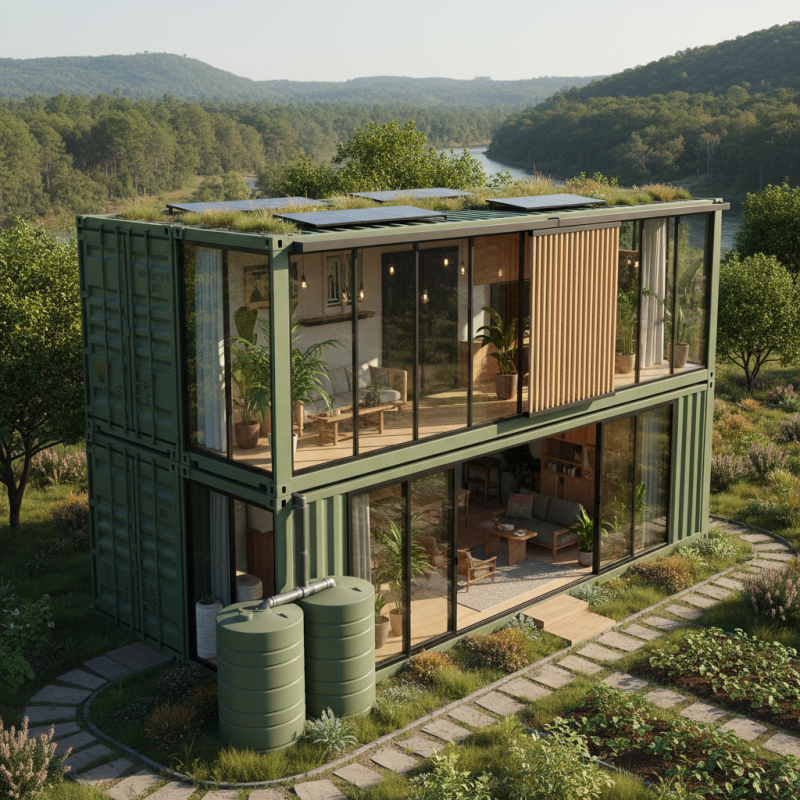
Designing a glass container house requires careful consideration of various principles. Sustainability is key. Using recycled materials reduces waste and energy use. A report by the Global Alliance for Buildings and Construction notes that buildings contribute about 39% of global carbon emissions. Therefore, creating eco-friendly designs is essential.
Natural light is another important factor. Strategically placing windows enhances daylighting. This can reduce the need for artificial lighting, which saves energy. According to research by the U.S. Department of Energy, maximizing daylight can lead to a 20% decrease in energy consumption. However, glare and overheating can occur if windows are not properly oriented.
Ventilation should also be integrated into the design. Effective airflow keeps the house comfortable and reduces reliance on air conditioning. A study from the World Health Organization emphasizes that good ventilation improves indoor air quality, which is vital for health. Challenges arise when balancing these design elements. Reflective materials can amplify light but might create discomfort. Designers must ensure the comfort and health of the occupants. Building a glass container house is not just about aesthetics; it involves addressing these complex issues.
How to Build a Glass Container House for Sustainable Living?
| Dimension |
Details |
| Size |
20 feet x 8 feet x 8.5 feet |
| Materials |
Recycled shipping containers, double-glazed glass |
| Energy Efficiency |
Solar panels, energy-efficient appliances |
| Insulation |
Spray foam insulation for thermal performance |
| Water System |
Rainwater harvesting, greywater recycling |
| Landscaping |
Native plants and permaculture design |
| Cost Estimate |
$30,000 - $50,000 |
| Base Structure |
Concrete foundation |
Materials Needed for Sustainable Construction
Building a glass container house for sustainable living requires careful selection of materials. Sustainable construction emphasizes renewable resources and energy efficiency. Choosing glass as a primary material allows natural light to flood in, reducing the need for artificial lighting. According to the U.S. Green Building Council, buildings account for 39% of carbon dioxide emissions in the U.S. Thus, utilizing energy-efficient materials can significantly lower one's carbon footprint.
For the structure itself, using recycled shipping containers is popular. They are durable and can be repurposed into a home. Glass, when combined with insulating frame systems, can enhance energy performance. The National Renewable Energy Laboratory reports that proper insulation can reduce energy costs by 20-50%. It's essential, though, to assess local climate conditions when deciding on materials.
Tips: Always evaluate the environmental impact of your chosen materials. Not all glass is created equal; opt for low-e glass to improve insulation. Also, consider the long-term maintenance of the materials. While glass offers aesthetic beauty, it can present cleaning challenges. Reflect on the balance between design and practical living needs.
Steps to Ensure Thermal Efficiency in Your Build
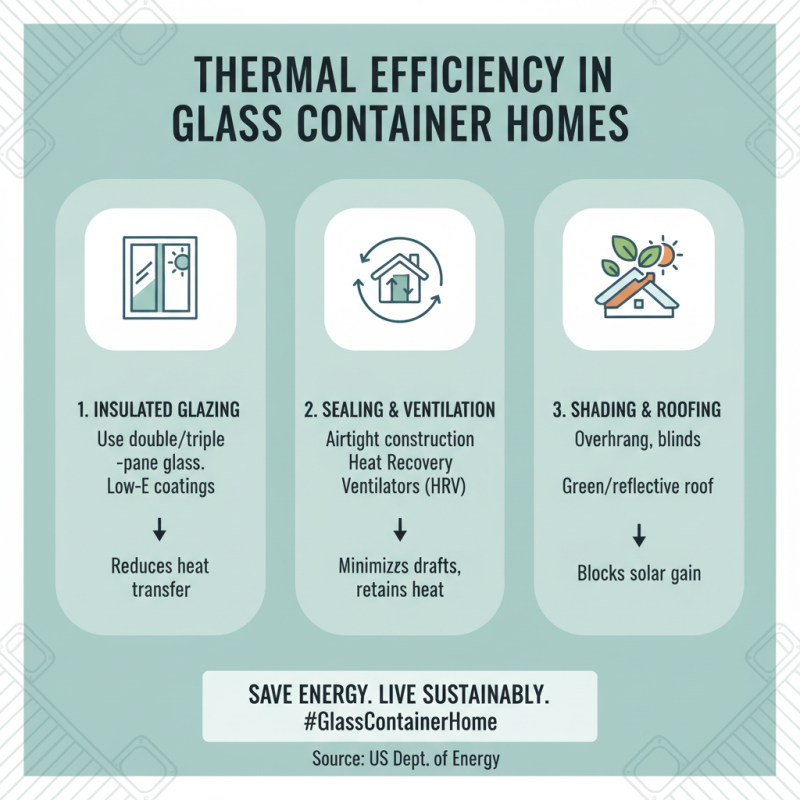
Building a glass container house can promote sustainable living. However, achieving thermal efficiency in such a structure poses specific challenges. According to the U.S. Department of Energy, buildings account for about 40% of energy consumption. Designing your home with thermal performance in mind is crucial.
One practical approach is utilizing insulating materials around the glass. For instance, triple-glazed windows can reduce heat loss by up to 50%. This ensures that the indoor climate remains stable, regardless of external conditions. Implementation of thermal mass, such as concrete or tile floors, can absorb and retain warmth during the day, releasing it slowly at night.
Additionally, strategic placement of windows maximizes natural light while minimizing glare. This can lower reliance on artificial lighting. Regular assessments on energy efficiency can unveil areas for improvement, but data from the International Energy Agency shows that most homeowners underestimate their energy needs. It’s vital to aim for balance between aesthetics and energy performance for a successful build.
Incorporating Renewable Energy Solutions
Incorporating renewable energy solutions in glass container houses is essential for sustainable living. A report from the International Renewable Energy Agency states that solar energy can potentially supply over 20% of global electricity by 2040. Combining solar panels with a glass container house maximizes natural light and energy efficiency. Homes can generate energy from sunlight, reducing electricity costs significantly.
Wind energy is another option. A study by the U.S. Department of Energy revealed that small wind turbines can work efficiently in urban settings. These turbines can complement solar energy, providing a holistic approach to renewable energy. However, the installation must consider local wind patterns and zoning laws.
Battery storage systems are crucial for energy independence. As reported by the Energy Storage Association, energy storage capacity is predicted to quadruple by 2025. This means homeowners can store excess energy generated during the day for nighttime use. Yet, initial costs can be high, and installation may face technical challenges. Thoughtful planning and research are necessary.
Landscaping and Outdoor Space Considerations
Designing a glass container house offers unique opportunities for outdoor integration. Landscaping is essential. Consider native plants for low maintenance. These plants thrive in local climates and support biodiversity.
Adding pathways made of natural stone or gravel enhances accessibility. Create an inviting space with seating areas. Consider a fire pit for cozy evenings. Ensure the outdoor area reflects the house's glass design.
Tips: Use sustainable materials for landscaping. Recycled wood or eco-friendly concrete can blend the space. A rain garden can manage runoff effectively. Experiment with different layouts. Your outdoor space should encourage exploration and relaxation. Don't shy away from imperfection; natural landscapes evolve. Adjust as needed, watching how plants grow and change with seasons.
Annual Energy Consumption for Sustainable Living in Glass Container Houses