How to Build an Iso Container Home on a Budget?
Building an Iso Container Home on a budget is an appealing option for many. A recent industry report indicates that container homes can save up to 30% on traditional housing costs. These homes are durable, eco-friendly, and easy to assemble, making them increasingly popular among homeowners.
However, the process isn’t without its challenges. Sourcing affordable containers in good condition can be tough. Local market prices vary significantly, so being informed is critical. Additionally, while many tout the ease of construction, the learning curve can be steep for beginners.
With creativity and resourcefulness, you can transform a simple container into a stylish living space. Opting for second-hand containers is one strategy to cut costs. Minimalistic designs can also reduce expenses, but may require compromises on space and comfort. Be prepared for trial and error; not everything will work as planned. Reflecting on the process can lead to valuable insights and better solutions in the future.
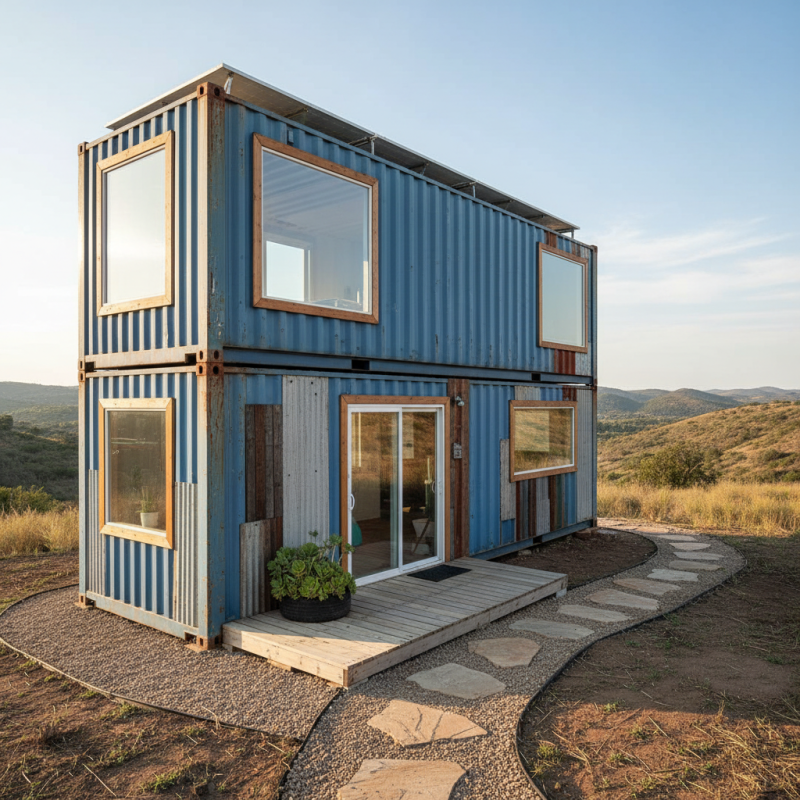
Understanding the Basics of ISO Container Home Construction
Building an ISO container home offers a unique approach to affordable housing. Understanding the basics is crucial for successful construction. ISO containers are strong, durable, and versatile. They can be easily modified to create livable spaces. Many people start by choosing one or two containers. This simple decision shapes everything that follows.
The foundation is key. A level base ensures stability. Soil testing might be necessary. If conditions are poor, consider other options. Insulation also demands attention. Containers are metal, so they can get hot or cold quickly. Using the right materials can make a significant difference. Often, people overlook this step, leading to discomfort.
Electricity and plumbing require planning. Running these utilities through the containers presents challenges. It’s essential to think ahead. Ventilation is another crucial aspect. Stale air can be a problem in tightly sealed homes. While the process is rewarding, there will be bumps along the way. Mistakes will happen; it's part of learning. Embrace them as part of your journey.
Identifying Budget-Friendly ISO Container Options
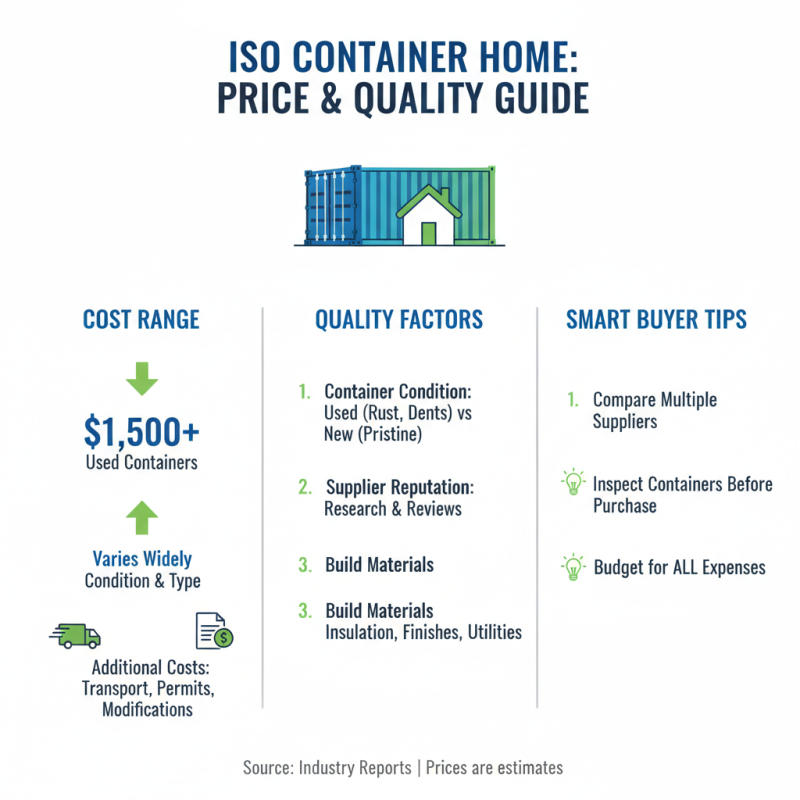
When considering building an ISO container home, the options available can vary widely in price and quality. Reports show that used shipping containers can cost as little as $1,500. However, depending on their condition, prices may increase. It's essential to evaluate multiple suppliers to find the best deal while considering additional costs like transportation and permits.
A tip for staying on budget is to explore local salvage yards. Many times, you can find discounted containers that need only minor repairs. Look for containers with minimal rust or damage. You might save at least 20% on your initial investment by being open to used options.
Keep in mind the hidden costs. While purchasing a container is relatively inexpensive, expenses like insulation, plumbing, and electrical work can add up quickly. A detailed budget should cover all aspects of construction. Also, set aside some funds for unexpected repairs or upgrades. Remember, building a container home can be an evolving project. Don't rush. Reflect on your choices to ensure they align with your vision.
Planning and Designing Your Container Home Layout
When planning your container home layout, start with a clear vision. Assess your space needs carefully. Many reports suggest that an average dwelling requires about 350 square feet per person. This means utilizing every inch wisely. Open spaces can feel larger, while multifunctional areas add efficiency.
Consider the natural flow of your layout. Place rooms where they make sense. For example, kitchens should be near dining areas. Privacy is important too. Bedrooms should be positioned away from noise sources. A practical plan can boost comfort and livability. It is crucial to ensure adequate ventilation and natural light. A study indicated that homes with ample daylight can reduce energy costs by up to 40%.
Flexibility is key. Use simple, modular designs that allow for easy future expansion. If budget forces compromise, be thoughtful about your choices. Cheap materials could mean higher long-term costs. It’s worthwhile to reflect on potential mistakes. Avoid overcrowding and ensure essential spaces aren't neglected. Your unique insights and reflections will shape a truly personal space.
Essential Tools and Materials for Building a Container Home
Building a container home on a budget requires careful planning and the right materials. To start, you'll need a shipping container. Look for a used one; they are often cheaper and still durable. Ensure it is in good condition, with no rust or structural damage.
Next, gather essential tools. A good set of power tools is crucial. Invest in a drill, saw, and welder. These items will help you cut and modify the container easily. Safety gear is just as important. Don't skip gloves and goggles while working; your safety is paramount.
Additionally, consider insulation materials. Proper insulation helps regulate temperature and reduces energy costs. You might use spray foam or fiberglass, which can be cost-effective. Don’t forget about flooring. Plywood is affordable and easy to install. Remember, every decision impacts your budget. Reflect on what you truly need versus what looks good. Building a home should be a thoughtful process, not rushed.
Budget Breakdown for Building an Iso Container Home
Tips for Managing Costs During the Construction Process
Building an iso container home on a budget requires careful planning and cost management. Research shows that construction costs have increased by nearly 25% due to material shortages. This makes budgeting essential. Keep an eye on local prices for recycled materials. Opting for reclaimed wood or used insulation can save you significantly.
Tip: Do it yourself. Many tasks, such as painting or landscaping, can be handled without hiring professionals. YouTube tutorials can guide you through many projects. This not only cuts labor costs but also adds a personal touch to your home.
Consider location. The land's cost can impact your overall budget greatly. Look for plots outside major urban areas. They are often more affordable. However, bear in mind potential transportation costs for materials.
Tip: Prioritize essential features. Identify which aspects of your container home are non-negotiable. This focus helps prevent overspending on luxuries. Understanding where to invest can lead to a balanced budget with fewer regrets.