How to Build a Container Home on a Budget?
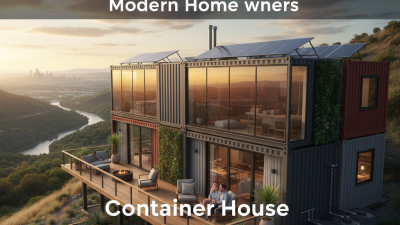
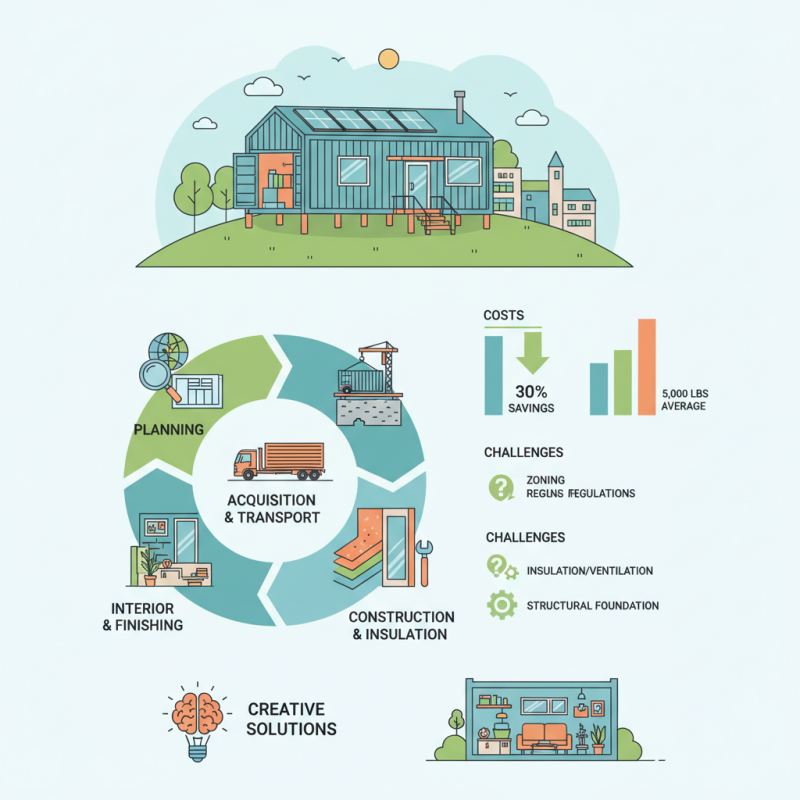
As housing prices skyrocket, many are turning to alternative solutions. One popular option is the Container Home. These homes offer affordability and flexibility in design. In fact, a report from HomeAdvisor shows that building a container home can cut costs by 30% compared to traditional homes. It’s an appealing choice for those on a budget.
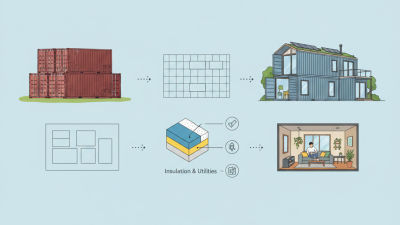
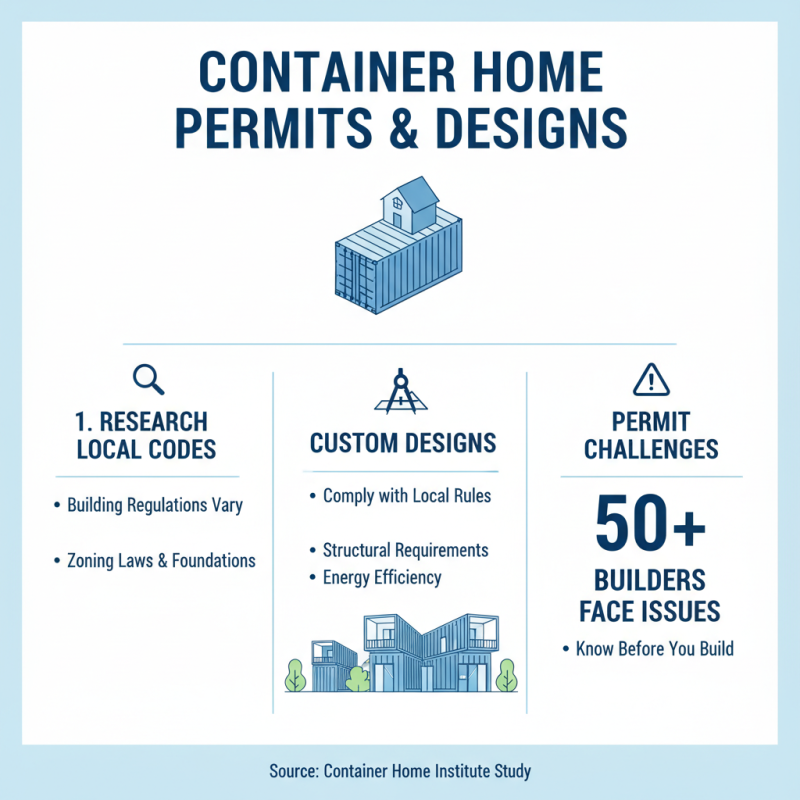
Container homes come with unique challenges. They require proper insulation and ventilation. The average container weighs around 5,000 pounds. This can complicate foundation needs and transportation costs. Additionally, not every local government supports container homes. Research is crucial to ensure compliance with zoning regulations.
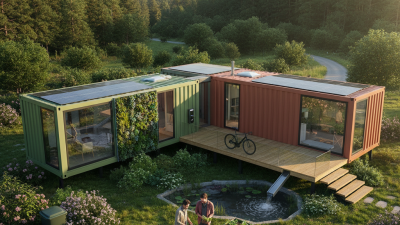
Many builders have found creative solutions to maximize space in container homes. When done right, a container home can be comfortable and stylish. However, it’s important to maintain realistic expectations. The design process may have unexpected hurdles. Reflecting on these challenges can lead to better preparation and stronger results when venturing into this innovative field.
Understanding Container Homes: An Affordable Housing Solution
Container homes have emerged as a popular and affordable housing solution. According to a recent report by the Container Housing Association, building a container home can cost up to 30% less than traditional homes. This aspect appeals to many budget-conscious individuals. Container homes often range from $10,000 to $35,000, depending on size and features.
These homes provide flexibility in design and location. They can be placed almost anywhere. However, there are challenges. Prospective homeowners must consider insulation and plumbing. A lack of proper insulation can lead to extreme temperatures inside. This could affect comfort levels. Plumbing systems need careful planning as well.
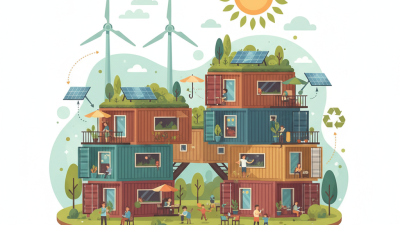
Living in a container home may not suit everyone. Space is often limited compared to traditional homes. Families may find it cramped. Additionally, zoning laws might restrict where you can place a container home. It's vital to research local regulations thoroughly. Even with these challenges, many find the idea of sustainable living very appealing.
How to Build a Container Home on a Budget?
| Dimension |
Description |
Estimated Cost ($) |
Time to Build (weeks) |
| Container Size |
Standard 20-foot shipping container |
1,500 |
1 |
| Insulation |
Insulating the container |
500 |
2 |
| Interior Finish |
Walls, flooring, and ceiling |
2,000 |
3 |
| Utilities Setup |
Water, electricity, and sewage |
1,500 |
2 |
| Furniture |
Basic furniture and appliances |
1,000 |
1 |
| Total Estimated Cost |
Complete Container Home |
6,500 |
9 |
Choosing the Right Container: Types and Sizes for Your Budget
When building a container home on a budget, selecting the right container is essential. There are various types to consider, each with unique characteristics. Standard sizes include 20-foot and 40-foot containers, with 40-foot ones typically offering more space but at a higher cost. Research shows that a 20-foot container costs around $1,400, while a 40-foot container can reach $3,000 or more depending on conditions and modifications.
It’s important to assess your needs when choosing a container type. High-cube containers provide extra height, ideal for creating lofts or multi-level designs. However, they are often pricier due to their increased volume. A cheaper option, albeit limited in design flexibility, is a regular container. Many builders overlook the importance of container condition, which can affect long-term durability and cost. A used container may save money upfront but could incur higher maintenance costs later.
Understanding your budget constraints is crucial. Spending too much on container size might limit funds for insulation and utilities, which are necessary for comfort. Industry data suggests that homeowners should allocate about 25% of their budget for container purchasing. Deciding on the right container involves not just size and type but also future needs. Builders often find themselves reflecting on whether they prioritized immediate costs over long-term benefits.
Cost-Saving Tips: Materials, Labor, and DIY Options
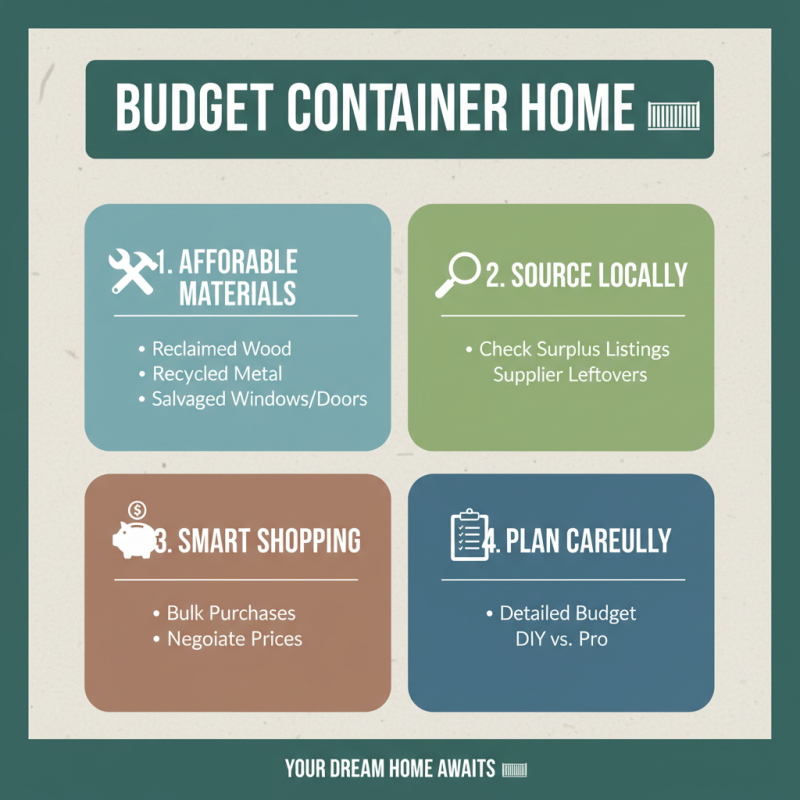
Building a container home on a budget can be rewarding but requires careful planning. Start by sourcing affordable materials. Look for reclaimed wood or recycled metal for framing and finishing. Salvaged windows and doors can add character at a lower cost. Always check local listings for surplus materials. Some suppliers offer discounts on leftover stock.
Labor costs can skyrocket. Consider doing as much as you can yourself. Basic skills like painting or even minor plumbing can save substantial money. However, don't overestimate your abilities. Mistakes made from lack of experience can be costly. For major tasks, hiring a skilled contractor will ensure safety but plan for this in your budget.
DIY options can extend to landscaping, too. Plant drought-resistant native plants, which require little maintenance. This choice saves both time and water expenses. However, be mindful of your design choices. Some projects may come out less polished than expected, reminding you to prioritize your budget over aesthetics. Keep it simple and focus on functionality. You'll appreciate the simplicity in the long run.
Final Touches: Sustainable Solutions and Personalization on a Budget
Personalizing a container home can be fun and affordable. Start with what you love.
A few plants can bring life to the space. Hanging pots require less floor space and add color.
According to a report by the American Society of Landscape Architects, adding greenery can
increase property value by up to 15%.
When it comes to sustainable solutions, consider using recycled materials.
Wooden pallets can be transformed into furniture. It's an affordable way to make unique pieces, and it
reduces waste. Lighting is crucial. Use energy-efficient bulbs.
Reports indicate that LED lights use 75% less energy
than traditional bulbs.
This will save money on utility bills.
Think about DIY projects. They can be rewarding but may not always be perfect.
For instance, you might struggle with uneven paint strokes. It's part of the journey. Don’t hesitate to embrace
imperfections. They tell a story. Personalization on a budget means being resourceful.
Use what you have and let your creativity shine.