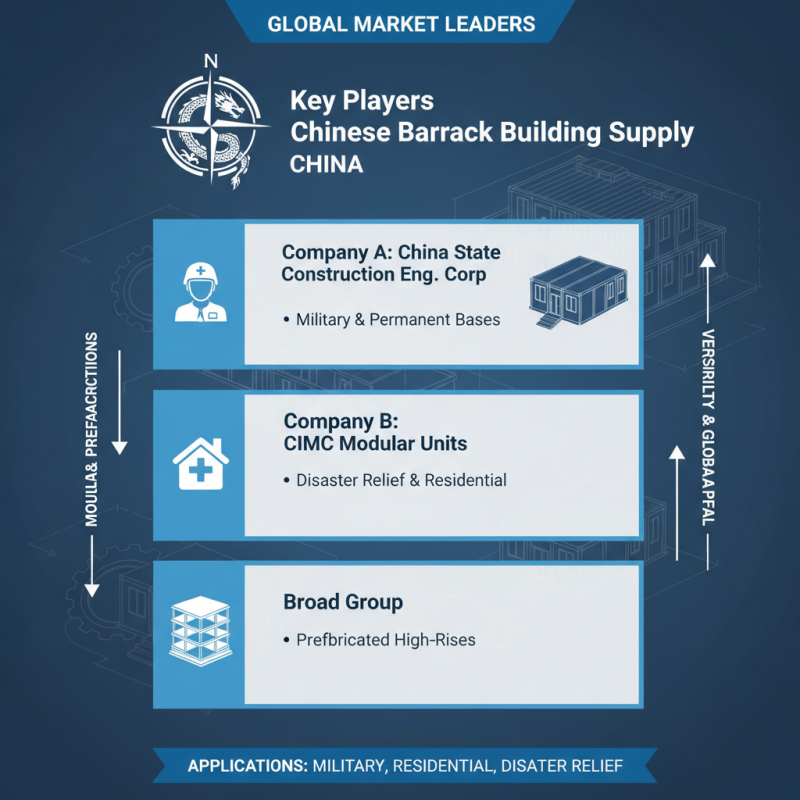
In recent years, the barrack building industry has gained significant attention from global buyers. Notably, Chinese suppliers have emerged as key players in this sector. As noted by industry expert Dr. Jian Li, "China's innovative approach to barrack building meets the growing demands for flexibility and sustainability in global markets."
The phrase "barrack building" embodies not just a structure, but a myriad of possibilities. These buildings serve various purposes, from military housing to emergency shelters. China's suppliers leverage advanced technology and materials, ensuring quality and durability at competitive prices.
However, the market is not without its challenges. Issues related to construction standards and sustainability practices need deeper examination. Each supplier exhibits unique strengths, yet potential buyers must research thoroughly. Understanding the nuances of the barrack building landscape is paramount for making informed decisions.
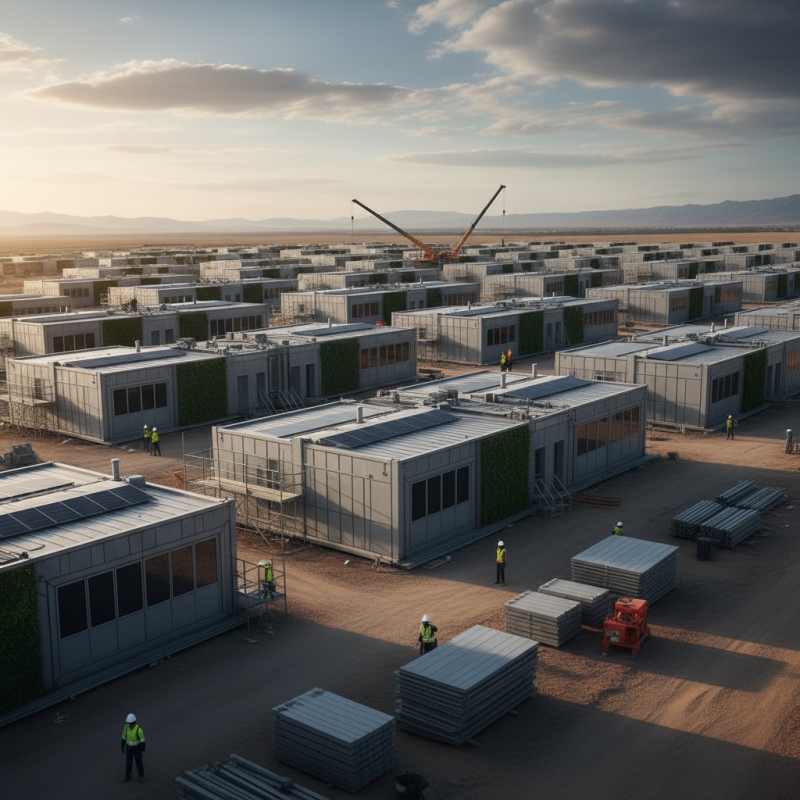
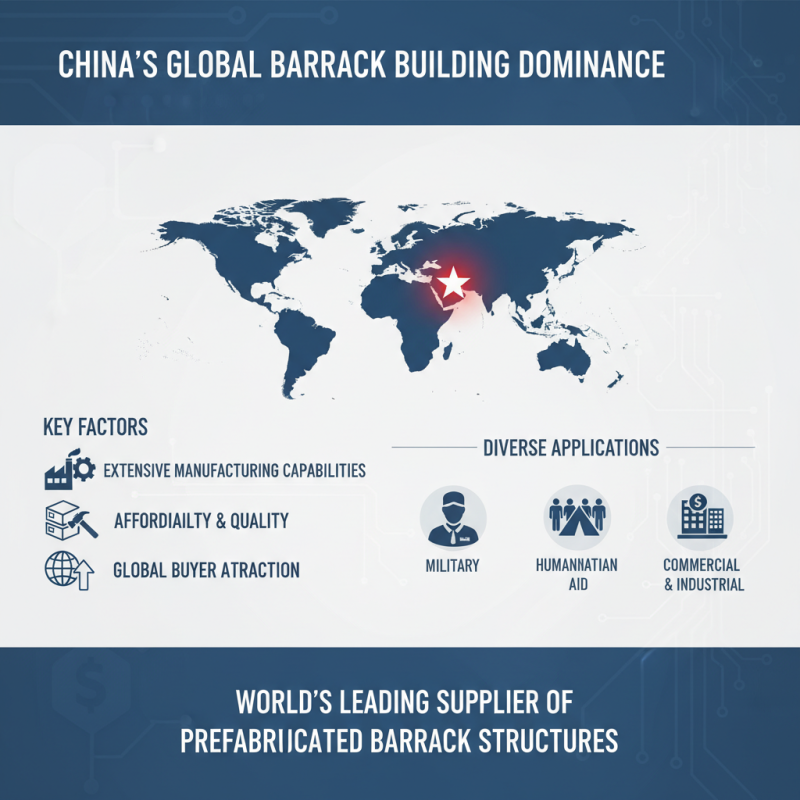
China has established itself as a key player in the global barrack building market. The country's manufacturing capabilities are extensive. Factories abound, producing a variety of barrack structures for diverse needs. These structures serve military, humanitarian, and commercial purposes. The affordability and quality of Chinese products attract buyers worldwide.
However, challenges exist. Supply chain issues can arise and impact delivery times. For global buyers, understanding these dynamics is crucial. Local regulations and standards may differ, influencing project timelines. Many buyers face obstacles navigating these complexities. Engaging with experienced partners in China can help mitigate risks.
China’s approach emphasizes scalability and efficiency. The integration of modern technologies has enhanced production methods. Yet, keeping up with environmental standards is an ongoing challenge. Buyers must remain vigilant about sustainability practices. Balancing cost-efficiency with eco-friendly solutions is an evolving issue in the industry.
China's barrack building supply industry has become a pivotal player in the global market. Several key companies are leading this sector, offering a range of modular and prefabricated solutions. These buildings are often used for military, residential, and disaster relief purposes. Their versatility makes them appealing to international buyers.
The industry is characterized by rapid innovation and adaptation. Manufacturers are increasingly focusing on sustainable materials and efficient construction methods. However, challenges remain. Some suppliers struggle with quality control. Others face issues related to logistics and supply chain management. This can lead to delays and increased costs.
Understanding the landscape of this sector requires expertise. Industry insiders emphasize the importance of transparency and reliability. Buyers must navigate a diverse array of suppliers, each with different capabilities. Proper research and due diligence are essential. With some suppliers, the potential for errors exists. Learning from these challenges can lead to better partnerships.
The market for barrack buildings in China is witnessing significant growth. This surge is driven by both domestic needs and international demand. Increasing globalization has prompted more countries to seek reliable and efficient housing solutions. As a result, China's barrack building suppliers are poised to play a vital role in the global market.
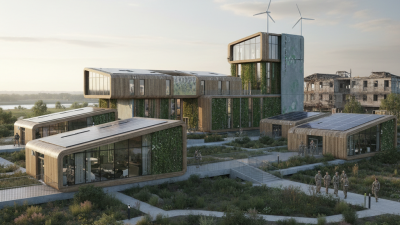
Investing in innovative designs and sustainable materials has become essential. Buyers should consider the adaptability of the structures for different environments. Efficient manufacturing processes can lead to cost-effectiveness. Emerging technologies have the potential to enhance the durability of these buildings, but this is still a field in development.
Chinese barrack construction is gaining traction globally due to its focus on innovative materials and technologies. One significant advancement is the use of lightweight composite materials. These materials not only reduce the overall weight of barracks but also enhance energy efficiency. Additionally, they often feature fire-retardant properties, contributing to safety.
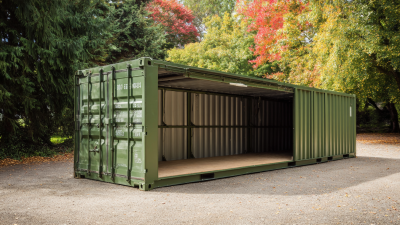
Another notable trend is modular construction techniques. Modular units can be prefabricated in factories, allowing for quicker assembly on-site. This method minimizes waste and speeds up the building process considerably. Moreover, modular designs can be easily customized to meet specific needs, making them adaptable for various environments.
Challenges remain, however. Quality control in mass production can vary. Not all suppliers adhere to the same standards. Buyers must perform due diligence, ensuring they partner with reputable manufacturers. Sustainability is also a pressing concern. As demand rises, the environmental impact of sourcing materials must be carefully managed. Each step towards innovation should consider ecological implications to create truly sustainable solutions.
Government policies significantly shape the landscape of barrack building exports from China. In recent years, the Chinese government has promoted initiatives aimed at increasing the efficiency and quality of construction materials. Reports indicate a strong focus on sustainable practices. As a result, the usage of eco-friendly materials in barrack buildings surged by nearly 30% from 2021 to 2023.
Conversely, trade restrictions can constrain export growth. For example, heightened tariffs on certain construction materials have increased costs for foreign buyers. Findings from industry analyses reveal that nearly 20% of potential export transactions were affected by these tariffs. This unpredictability forces suppliers to rethink their pricing strategies and could impact their market competitiveness.
Export regulations also introduce various complexities. Compliance with international standards is crucial yet challenging. The necessity for certifications can lead to delays. Some suppliers struggle to meet these requirements. It reflects a need for ongoing adaptation in China's barrack building sector. The evolving policies underscore the constant balancing act between growth and compliance.