Top China Flat Pack Containers for Global Buyers?
The demand for Flat Pack Containers has surged worldwide, driven by their versatility and efficiency. Industry expert Dr. James Liu, a leading authority in modular construction, emphasizes, "Flat Pack Containers revolutionize space utilization while reducing costs." These containers serve various applications, from temporary housing to offices and storage solutions. Their design allows for easy transport and quick assembly, making them suitable for global buyers.
With the rise of sustainable construction, Flat Pack Containers are becoming increasingly favored. They offer eco-friendly options, as many are made from recycled materials. However, challenges remain, such as ensuring durability and compliance with regional regulations. Each market has unique needs, and global buyers must navigate these complexities.
As Flat Pack Containers grow in popularity, suppliers must focus on quality and innovation. Addressing potential weaknesses in design and material choice is crucial. Buyers must consider these factors carefully. The right choice can lead to successful projects and satisfied clients. The future of Flat Pack Containers looks promising, yet it requires ongoing evaluation and adaptation to meet ever-changing demands.
Overview of Flat Pack Containers and Their Importance in Global Trade
Flat pack containers are revolutionizing global trade. These innovative shipping solutions allow for efficient transportation and storage. They are designed for easy assembly and disassembly. This flexibility helps businesses reduce costs and save space during shipping. With more companies focusing on sustainability, flat pack containers can also be reused.
In today's fast-paced market, the demand for flat pack solutions is on the rise. Manufacturers appreciate their lightweight nature and durable materials. However, not all flat pack designs meet industry standards. Buyers should be cautious when selecting suppliers. Thorough research is essential to ensure quality.
Efficiency can come at a cost. Some may overlook feature differences in designs. Investing in subpar containers can lead to damaged goods. It's crucial to evaluate product quality and supplier reliability. Conducting thorough inspections and asking for certifications can help mitigate these risks.
Key Features of Top China Flat Pack Containers for Buyers
Flat pack containers from China are gaining popularity among global buyers. Their design offers convenience and flexibility, major benefits in the logistics industry. These containers are lightweight, making transportation and handling easier. According to a report by Allied Market Research, the global portable storage market will reach $58.5 billion by 2027, indicating a growing demand for efficient storage solutions.
Key features of these containers include modular design and quick assembly. Many can be set up in under an hour, reducing labor costs. The use of high-quality, weather-resistant materials ensures durability. A report from Technavio states that durable flat pack containers increase lifespan by over 20% compared to traditional storage options. However, the reliance on cheap materials can lead to structural issues, which buyers must consider.
Additionally, customization options attract buyers. Color, size, and interior layouts can be tailored to specific needs. A study from Grand View Research emphasized that 30% of buyers prioritize customizable designs. However, this flexibility sometimes leads to overcomplicated designs that may not meet all functional requirements. Buyers should look for a balance between aesthetics and practicality to maximize investment.
Top China Flat Pack Containers for Global Buyers
| Container Type |
Size (m) |
Weight Capacity (kg) |
Material |
Assembly Time (hours) |
Price Range (USD) |
| Standard Flat Pack |
6 x 3 x 2.5 |
2000 |
Steel and Plywood |
4 |
1500 - 2500 |
| Insulated Flat Pack |
6 x 2.4 x 2.6 |
1500 |
Aluminum and EPS |
5 |
1800 - 2800 |
| Two-Story Flat Pack |
6 x 3 x 5 |
3000 |
Steel Frame and Plywood |
6 |
2500 - 4000 |
| Expandable Flat Pack |
7 x 3.5 x 2.5 |
2500 |
Composite Materials |
5 |
2000 - 3500 |
| Custom Flat Pack |
Varies |
Up to 5000 |
Varies |
Custom |
3000 - 6000 |
Comparison of Leading Manufacturers in China Flat Pack Container Market
The flat pack container market in China is booming. Many manufacturers are now competing for global attention. Various companies are pushing the limits of design and functionality to attract buyers. These containers are not just for shipping; they serve as offices, homes, and retail spaces. The diversity of applications broadens their appeal.
When comparing manufacturers, consider their production capacity and quality control. Different factories have unique strengths and weaknesses. Some specialize in lightweight designs, while others focus on durability. Researching customer reviews can help you identify reliable manufacturers.
**Tip:** Always request samples before making bulk orders. This ensures you understand the product’s quality.
Another important aspect is customization. Many manufacturers offer tailored solutions to meet specific needs. However, customization can lead to delays. Understanding lead times is crucial in project planning.
**Tip:** Communicate your timeline clearly to avoid misunderstandings.
Be aware of the different certifications that manufacturers hold. These can indicate their compliance with international safety standards. A company’s reputation often plays a key role in determining reliability. Therefore, take time to vet potential partners.
Logistics and Shipping Considerations for International Buyers
When sourcing flat pack containers from China, logistics and shipping require careful planning. According to a report by the World Bank, shipping costs have surged by 300% over the past two years. This shift has transformed international trade dynamics. Buyers must not only account for these rising costs but also factor in potential delays. Port congestion is a growing issue, impacting timely delivery.
Packaging efficiency is critical. Flat pack containers can reduce shipping volume, leading to lower freight costs. A study by the International Organization for Standardization indicates that optimized packaging can save up to 20% on shipping. However, this requires accurate container load planning and an understanding of container dimensions.
Understanding customs regulations is vital. Import taxes and tariffs can vary significantly. Failure to comply can lead to expensive delays. Recent data suggests that 25% of shipments face customs issues, leading to extra costs. It’s essential for buyers to stay informed and work closely with logistics providers for smooth transactions. Communication with suppliers can directly affect the shipping timeline. Effective partnerships can mitigate risks and help navigate challenges more effectively.
Top China Flat Pack Containers for Global Buyers
Case Studies: Successful Implementation of Flat Pack Containers Worldwide
Flat pack containers have gained popularity globally due to their practicality. A case study from Africa highlights their role during humanitarian efforts. These containers were shipped flat, reducing transportation costs. Once on site, they were assembled quickly to provide housing for displaced families. However, the initial setup sometimes showed instability, especially in harsh weather. This aspect requires ongoing adjustments for better resilience.
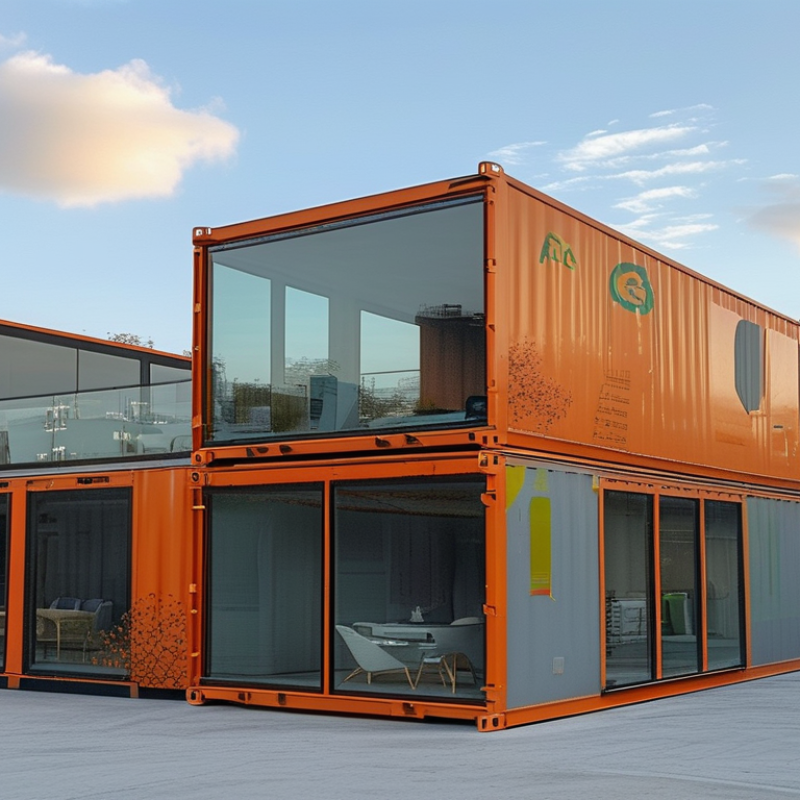
In Europe, a project showcased their use in urban development. Flat pack containers transformed into stylish cafes and workspaces. Local governments embraced the idea to boost economies. Yet, some users reported issues with insulation. This led to discomfort in winter months, prompting calls for improved design. Feedback from these implementations reveals the necessity for continuous innovation.
The adaptability of flat pack containers offers significant benefits. They can serve various purposes, from housing to commercial use. Nevertheless, the challenge remains in addressing logistical issues. Transporting these containers requires precise planning. Misjudgments can lead to delays and increased costs. Future projects must focus on enhancing reliability and efficiency.