Why Choose a Living Container House for Sustainable Living?
The movement towards sustainable living has gained significant momentum in recent years. A notable option within this trend is the Living Container House. This innovative housing solution utilizes repurposed shipping containers, providing an eco-friendly and cost-effective alternative to traditional homes. According to industry reports, the global market for container homes is projected to reach $73 million by 2025. This growth reflects an increasing awareness of environmental issues and a desire for efficient living solutions.
Dr. Emily Thompson, a renowned architect specializing in sustainable design, highlights the importance of this concept: "Living Container Houses are not just homes; they represent a shift in how we think about space and resources." These structures are customizable and can be tailored to individual needs, yet they often face challenges related to space optimization and thermal insulation.
While the benefits of Living Container Houses are clear, their implementation can sometimes be problematic. Many people underestimate the importance of proper insulation and ventilation. A well-designed container can fall short without these elements. Addressing these challenges requires reflection and a commitment to innovative design solutions. This evolving housing trend presents both opportunities and obstacles for those invested in sustainable living.
Benefits of Living Container Houses in Sustainable Living Practices
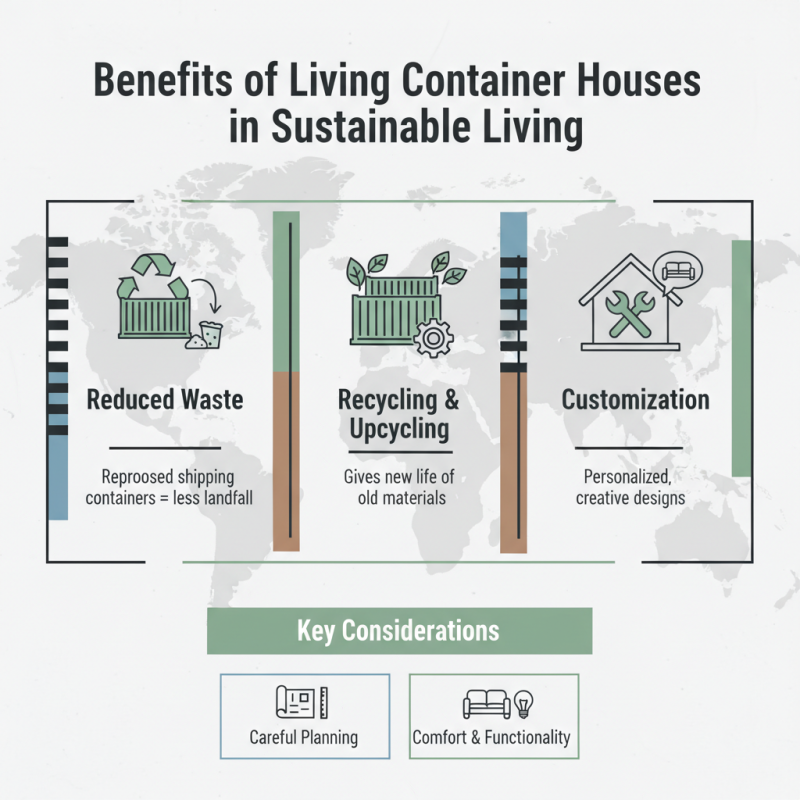
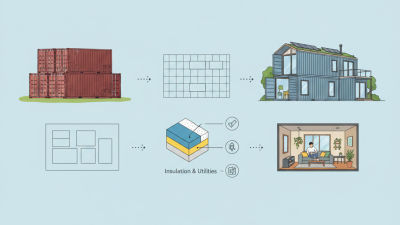
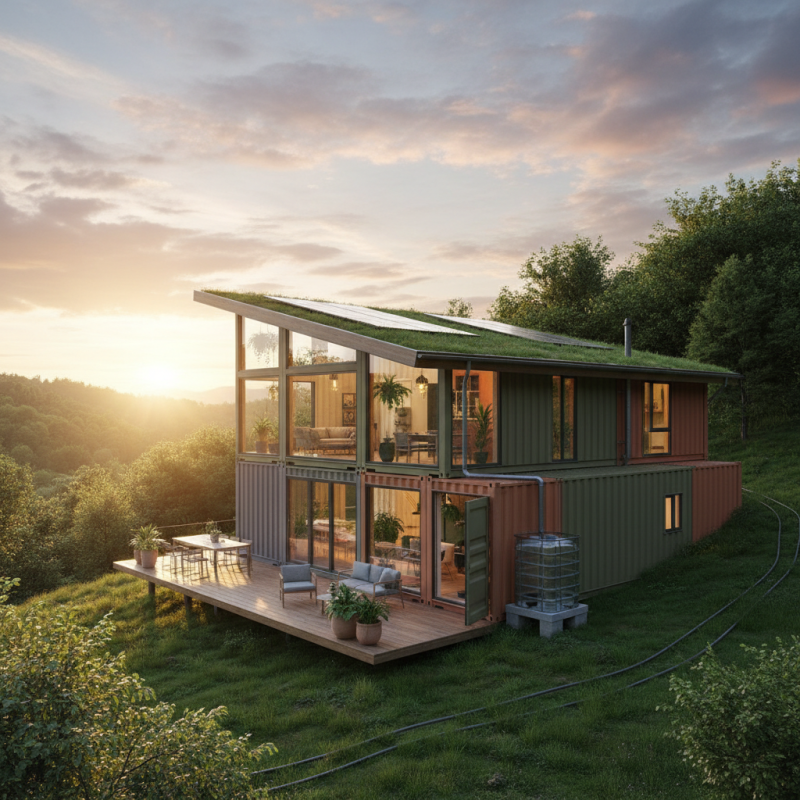
Living container houses offer a unique approach to sustainable living. They are made from repurposed shipping containers, which reduces waste and promotes recycling. Each unit can be transformed creatively, allowing for a personalized touch. However, the process requires careful planning and design to ensure comfort and functionality.
One of the major benefits is energy efficiency. Container homes can be equipped with solar panels and efficient insulation. This setup minimizes energy consumption and reduces utility bills. Yet, the initial setup costs can be high. Homeowners must weigh the long-term savings against what they invest upfront.
Additionally, these homes are portable. They can be relocated easily, making them ideal for those seeking a flexible lifestyle. However, this mobility may lead to zoning challenges in certain areas. Understanding local regulations is crucial. While container houses promote a sustainable lifestyle, they also demand thoughtful consideration and a willingness to adapt.
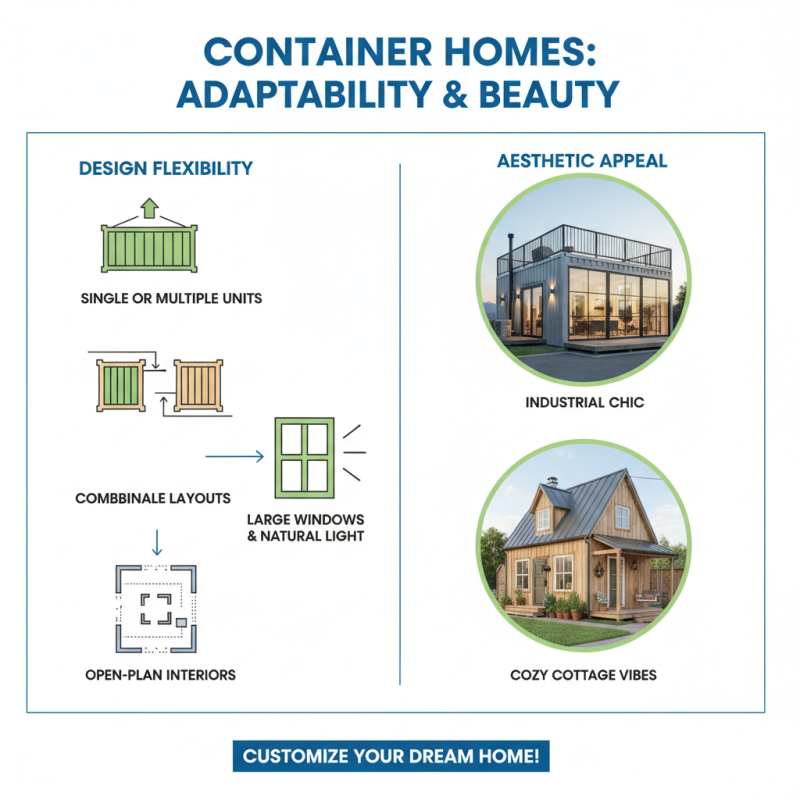
Design Flexibility and Aesthetic Appeal of Container Homes
Container homes offer unique design flexibility and aesthetic appeal. They can easily be modified to suit individual tastes. Whether it's an industrial look or a cozy cottage vibe, possibilities are endless. You can use one container or several combined. Open floor plans create spacious interiors. Large windows bring in natural light.
However, there are challenges. Insulation can be tricky, and aesthetics might suffer without proper planning. Some may find the exterior unattractive. Also, the need for permits can complicate your project. Yet, many embrace the challenge, turning these hurdles into creative opportunities.
Colorful paints and innovative landscaping can transform a simple container into a vibrant home. Sustainable materials add charm and warmth. Unique designs make each container house stand out. The key is to reflect your personality. Each choice—from layout to finish—shapes the final look. It's about creating a home that resonates with you.
Environmental Impact and Resource Efficiency of Container Housing
Container housing offers a unique approach to sustainable living. These structures are often made from repurposed shipping containers, reducing waste significantly. According to the United Nations, around 1.3 billion tons of food are wasted annually. By converting containers into homes, we can help mitigate this waste problem.
Resource efficiency is a major advantage. Container homes often require fewer materials than traditional buildings. The average construction of a conventional house uses about 400,000 pounds of materials. In contrast, container homes can use as little as 40,000 pounds per unit. This reduction lowers the demand for new resources and minimizes environmental impact.
However, challenges exist. Not all locations may be suitable for container homes. Local zoning laws can complicate permits. Furthermore, insulation is crucial. Many containers may not be energy-efficient unless properly treated. These factors require careful consideration in the planning process. Sustainable living is a journey, not a destination, and container housing exemplifies this principle.
Cost-Effectiveness and Financial Benefits of Living in Container Homes
Container homes are gaining traction among those seeking sustainable living. One primary advantage is their cost-effectiveness. The initial investment can be less than traditional homes. Often, these containers are available for low prices, especially if repurposed.
Building a container house can save on construction costs. These homes are typically quicker to build too. However, owners may need to compromise on space. Designing a container home requires careful planning. An open layout can maximize limited square footage, but it may feel cramped.
Energy efficiency is another financial benefit. Proper insulation can reduce heating and cooling bills. Plus, solar panels can be installed on rooftops. This option is often overlooked in traditional homes. While container living is appealing, it isn’t without challenges. Owners should consider zoning laws and neighborhood regulations. Issues may arise during the permitting process.
Cost-Effectiveness of Living in Container Homes
Container homes present a cost-effective living solution, as shown in the chart above. The upfront cost of purchasing and setting up a container home is significantly lower compared to traditional homes. Additionally, maintenance costs and ongoing energy expenditures are minimized, making them a financially smart choice for sustainable living.
Community and Lifestyle Integration in Container House Living
Living in a container house often fosters a unique sense of community. These homes can be part of larger, eco-friendly neighborhoods. Residents usually share common spaces, such as gardens and lounges. This creates opportunities for social interaction. Neighbors can exchange ideas and support each other’s sustainability efforts.
The lifestyle in container houses encourages a simpler way of living. With limited space, residents often prioritize what truly matters. They tend to focus on experiences rather than material possessions. This shift can lead to deeper connections with others. Yet, living closely with others requires adjustments. Conflicts may arise over shared resources or differing lifestyles. Reflection on personal habits becomes essential in fostering harmony.
In container home communities, sustainable practices are often a collective effort. People share composting methods or gardening tips. This collaboration enhances the overall living experience. However, it also brings challenges. Balancing individual needs with community goals is not always easy. Adapting to this lifestyle requires patience and open-mindedness.