How to Choose the Perfect Capsule Home for Your Needs?
In recent years, the trend of Capsule Homes has gained significant traction. With a growing emphasis on sustainability and minimalism, these compact living spaces provide innovative solutions for modern life. According to a report by the Global Micro Housing Market, demand for compact housing solutions is projected to increase by 23% by 2025. This shift reflects an evolving mindset toward living arrangements that are efficient yet stylish.
Choosing the right Capsule Home requires careful consideration of space, functionality, and personal needs. It's not just about the aesthetics; effective design plays a crucial role. Studies indicate that many homeowners struggle with maximizing space without sacrificing comfort. For instance, over 60% of first-time buyers report feeling overwhelmed by choices and functionality requirements.
While Capsule Homes present exciting opportunities, they also come with challenges. Understanding personal lifestyle needs and environmental factors is essential. Each choice should reflect both efficiency and comfort. This balanced approach will ultimately lead to a more satisfying living experience. Keep in mind that what works for one may not suit another; individual preferences vary widely. Thus, thoughtful reflection is key in selecting the perfect Capsule Home to meet your unique needs.
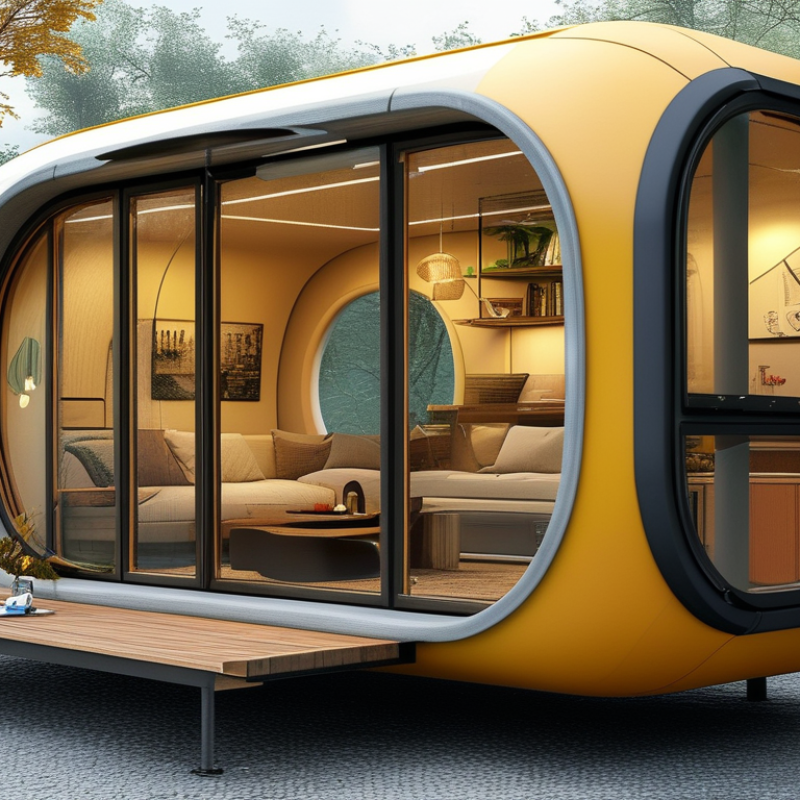
Understanding Capsule Homes: Definition and Benefits
Capsule homes are compact, efficient living spaces that have gained popularity in urban areas. These homes typically range from 100 to 400 square feet, providing essential amenities while reducing environmental impact. According to a report by the World Bank, living in smaller spaces can lower living costs by up to 30% in high-density cities. Capsule homes often promote a minimalist lifestyle, leading to less clutter and a more focused way of living.
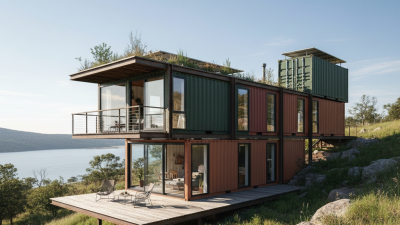
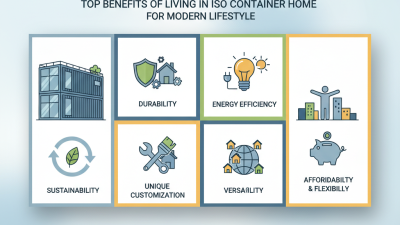
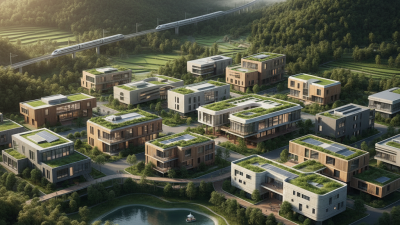
The benefits of capsule homes go beyond affordability. They are designed to maximize functionality, with well-thought-out layouts. This can reduce energy consumption by 50% compared to traditional homes, contributing to a sustainable future. Additionally, many capsule homes incorporate eco-friendly materials and technologies. For instance, green roofs and solar panels enhance their sustainability credentials.
Considering capsule homes? Focus on your needs. Think about location, size, and amenities that matter most. Assess your comfort level with limited space. Embrace the potential challenges of downsizing. Adapting to a smaller environment may require a mindset shift. Engage with professionals who specialize in capsule living for tailored advice. Such expertise ensures you choose a home that aligns with your lifestyle aspirations.
Evaluating Space Efficiency: Key Metrics for Capsule Home Design
In evaluating space efficiency for capsule homes, several key metrics come into play. According to the American Institute of Architects, a well-designed capsule home should prioritize functionality without sacrificing comfort. With an average living space of just 100 to 300 square feet, every inch counts. This compactness often leads to innovative solutions, such as fold-out furniture and multi-purpose areas. For instance, a murphy bed can transform a living room into a bedroom, maximizing utility.
Natural light is another critical metric in capsule home design. Studies show that homes with ample natural light can improve mental well-being. Capsule homes with large windows or skylights often feel more spacious and welcoming. Additionally, the layout should promote flow and accessibility. Open floor plans can make small spaces appear larger, enhancing the overall user experience. However, poor design choices can lead to cramped feel, even in small areas.
Storage solutions also play an essential role. The National Association of Home Builders indicates that efficient storage can alleviate clutter. Modular shelving units and under-bed storage can optimize space. It's vital to assess one's needs realistically. A capsule home should be tailored to individual lifestyles, which means that some designs may not fit all. Balancing personal preferences with functional design can be a complex task.
Assessing Your Lifestyle Needs: Personalization in Capsule Living
When considering capsule living, personalization is key. Assessing your lifestyle needs can help you make the right choice. Think about your daily routines. For example, do you work from home or need a quiet space for focus? Perhaps you enjoy entertaining friends on weekends. These factors will influence your design preferences.
Assess the size of your family. If you have children, consider their play and study areas. You might want multifunctional spaces to maximize utility. Storage solutions are equally important. A capsule home should be efficient but also feel comfortable. Reflect on your hobbies. Whether it's cooking, reading, or crafting, make sure your space supports your passions.
Be aware of potential challenges too. Small spaces can feel cramped if not designed thoughtfully. It’s easy to overlook storage needs or the flow of movement. As you personalize your capsule, keep flexibility in mind. Your lifestyle may change, and your home should adapt accordingly. Aim for a design that balances functionality with personal touches, creating a true reflection of who you are.
Budget Considerations: Cost Analysis and Financing Options
When considering a capsule home, budget is a critical factor.
Analyzing costs upfront helps prevent overspending. Basic costs include land, construction, and utilities. These can add up quickly, especially if severe weather or poor soil requires additional preparation.
Financing options vary widely. Some buyers opt for personal loans, while others may explore specialized green mortgages. However, it's essential to review terms closely.
Hidden fees or high-interest rates can quickly erode savings. Evaluating different lenders can reveal more favorable terms.
Reflect on your lifestyle. A smaller space may lead to minimalist living, but it can also feel restrictive. Think about the long-term value. Will the investment pay off? Balancing immediate costs against future needs can be challenging. Every decision shapes your living experience.
Sustainability Practices: Eco-Friendly Features in Capsule Homes
Capsule homes are becoming popular due to their sustainable features. Eco-friendly designs can significantly reduce energy consumption. Many capsule homes utilize solar panels for electricity. This approach helps cut down utility bills and relies on renewable energy. Natural lighting is also emphasized, reducing the need for artificial lights. Large windows are common, allowing sunlight to flood the interior.
In addition to energy efficiency, sustainable materials play a vital role. Many capsule homes are built using recycled or locally sourced materials. This practice not only reduces carbon footprints but also supports local economies. However, finding the right balance between modern design and sustainability can be tricky. Some builders might prioritize aesthetics over eco-friendly options.
Water conservation features are essential too. Rainwater harvesting systems are increasingly incorporated. These systems collect rain, providing a sustainable water supply. Despite all these benefits, not every capsule home successfully merges style and function. Builders must constantly refine their designs. They need to ensure they meet both environmental goals and the desires of homeowners. Finding the perfect blend is a journey, with room for improvement along the way.