Why Choose Prefab Classrooms for Modern Education?
Prefab Classrooms are transforming the educational landscape. These innovative structures offer flexible space solutions that meet modern needs. Schools face challenges like overcrowding and limited resources. Traditional classrooms often can't keep up with growing student populations.
Prefab Classrooms provide quick and efficient alternatives. They can be assembled in days, saving time and costs. These spaces are customizable, allowing schools to tailor them to specific educational requirements. However, some critics argue they lack the charm of traditional buildings.
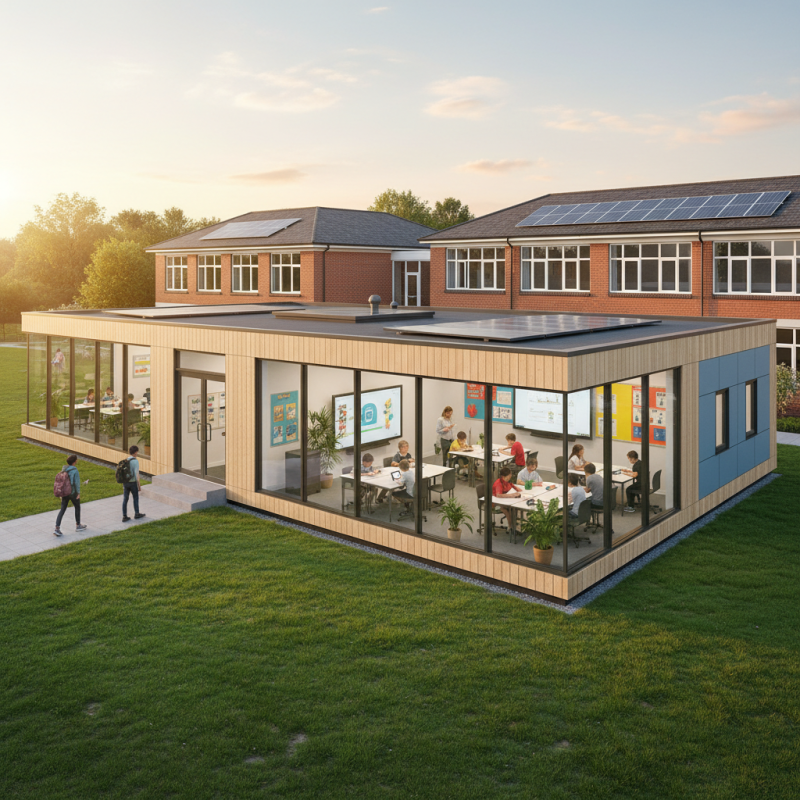
Yet, the practicality of Prefab Classrooms outweighs the concerns. They promote an engaging learning environment and can be designed to maximize natural light. As educational demands evolve, Prefab Classrooms stand as a viable choice. It's essential to consider their potential impact on future education standards.
Benefits of Prefab Classrooms in Modern Educational Settings
Prefab classrooms are gaining popularity in modern education, offering unique benefits for students and teachers alike. These structures can be built quickly and efficiently, addressing the urgent need for space in growing school districts. In addition to their speed, prefab classrooms are often designed with flexibility in mind. Schools can easily modify or relocate them as needed, adapting to changing requirements.
One advantage of prefab classrooms is cost-effectiveness. They can significantly reduce construction costs compared to traditional building methods. Schools can allocate these savings towards resources like technology and teaching materials. However, some may worry about the quality of these structures. It's essential for educators to ensure that prefab classrooms meet safety and durability standards.
When considering prefab classrooms, here are some tips to keep in mind.
Assess the environmental impact of the construction materials. Sustainable options can enhance the overall learning environment. Additionally, involve teachers and students in the design process. Their input can lead to better functionality and comfort. Remember, while prefab classrooms provide a solution, they should never compromise the educational experience. Balancing aesthetics, functionality, and safety is crucial for modern educational settings.
Flexibility and Customization Options for Learning Environments
Prefab classrooms are transforming modern education with their flexibility and customization options. These versatile structures adapt to various learning environments. According to a recent study by the National Institute of Building Sciences, prefab classrooms can reduce construction time by up to 50%. This rapid deployment allows schools to address space shortages quickly.
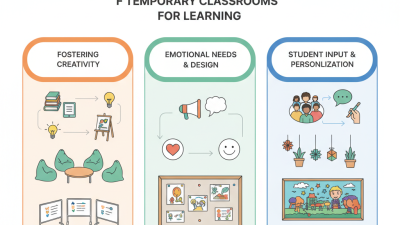
Customization is key. Prefab classrooms can be tailored to fit specific educational needs. Flexible layouts encourage collaboration among students. Open spaces can be modified for different group sizes. Reports show that environments designed for interaction boost student engagement by 25%. However, not every design will suit every school. Careful planning is essential.
Tips: When considering prefab classrooms, involve teachers in the design process. Their insights will ensure the space meets pedagogical needs. Also, assess the long-term durability of materials used. A quality structure lasts longer and requires less maintenance. Take your time to evaluate all options available. Choosing the right prefab solution is crucial for optimizing the learning experience.
Why Choose Prefab Classrooms for Modern Education?
This bar chart illustrates the key advantages of prefab classrooms in modern education, highlighting their flexibility, customization options, cost-effectiveness, sustainability, and quick setup capabilities. Each dimension reflects educators' preferences and needs in creating effective learning environments.
Cost-Effectiveness of Prefabricated Solutions in Education
Prefab classrooms are becoming increasingly popular in modern education. The cost-effectiveness of these structures plays a crucial role in their adoption. According to a report by the National Center for Education Statistics, schools face budget constraints that limit their capacity for traditional construction. Prefabrication offers a solution, providing buildings that can be assembled quickly and economically.
On average, prefab classrooms can save schools up to 20% on construction costs, according to industry data. This is significant when funding is often tight. Additionally, prefab structures can be erected in weeks rather than months. Delays in traditional construction can lead to increased expenses and missed educational opportunities. Prefab options allow schools to expand or adapt quickly to changing needs.
However, not all prefab classrooms are created equal. Some may lack durability or aesthetic appeal. It's important for schools to evaluate their options carefully. Investing in lower-quality buildings may lead to higher maintenance costs in the long run. The focus should be not just on immediate savings but also on long-term value. Careful consideration can ensure that prefabricated solutions truly meet the needs of modern education.
Sustainability and Environmental Impact of Prefab Classrooms
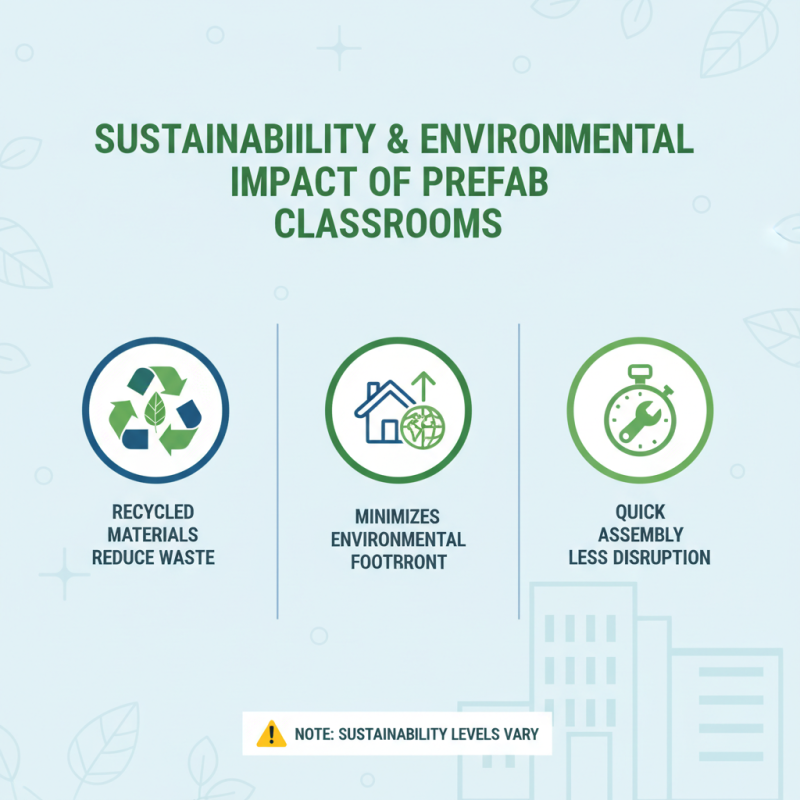
Prefab classrooms are increasingly popular due to their sustainable features. They often utilize recycled materials, which reduces waste. This approach minimizes the environmental footprint of school constructions. Prefab buildings can be assembled quickly, leading to less disruption on-site. But not all prefab options provide the same level of sustainability.
The environmental impact of prefab classrooms can vary. Some designs may overlook energy efficiency. Insulation and heating systems need careful consideration. If not optimized, they can lead to increased energy use. Additionally, the location of these classrooms matters. Building on greenfields can disrupt local ecosystems. It's vital to strike a balance between development and preservation.
Moreover, while prefab classrooms offer environmental benefits, ensuring quality is important. Some may prioritize cost over durability. A focus on short-term savings can yield long-term issues. It's essential to choose sustainable practices throughout the entire lifecycle. Only then can prefab classrooms truly support modern education while respecting our planet.
Quick Installation and Implementation of Prefabricated Structures
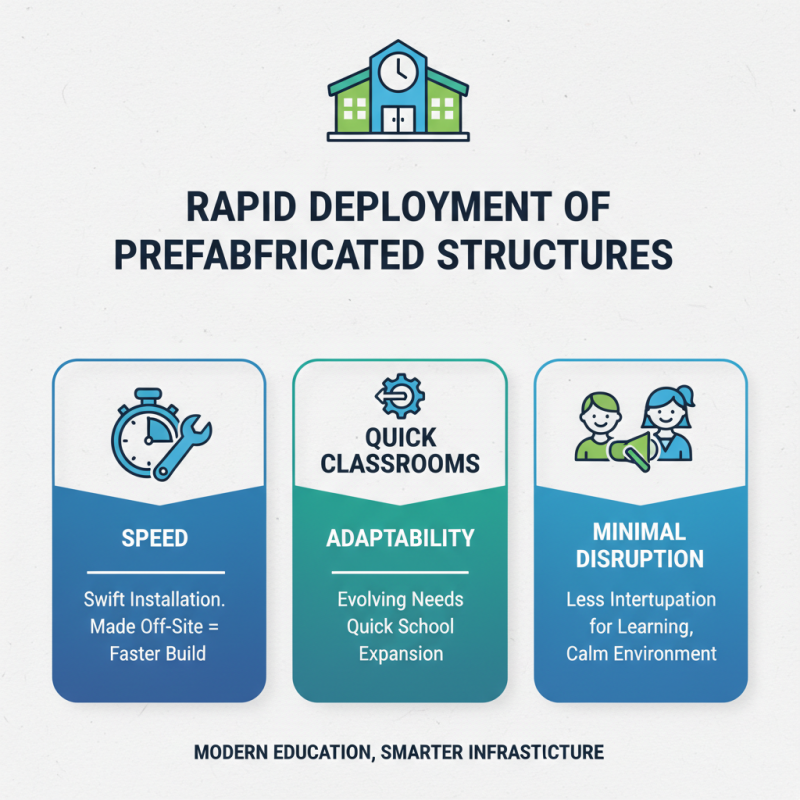
Prefab classrooms are gaining popularity in modern education. The swift installation process is a significant advantage. Schools can quickly adapt to changing needs. Prefabricated structures are made off-site, which reduces construction time. This means less disruption for students and teachers.
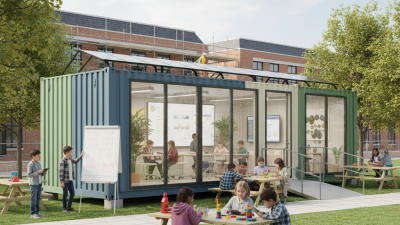
The quick implementation of these classrooms allows for flexible learning environments. They can be positioned in various locations. Teachers can utilize outdoor spaces or areas that were previously unused. Imagine a vibrant classroom nestled in a garden. It’s an inspiring example of how education can evolve. However, not all prefab solutions are ideal. Some designs may lack durability and style over time.
In the rush to implement these structures, important details can be overlooked. Schools must carefully consider their long-term needs. A well-designed space enhances learning, but efficiency shouldn't compromise quality. Classroom layouts should foster collaboration and creativity. Reflecting on these factors can help educators make better decisions. Balancing speed and quality is a challenge, but it’s essential for the future of education.