How to Choose a Container House Ready for Your Needs?
When searching for a "Container House Ready," understanding your needs is essential. Expert architect Sarah Thompson emphasizes, "A well-chosen container home can transform your lifestyle." Her insights guide homeowners toward making informed decisions.
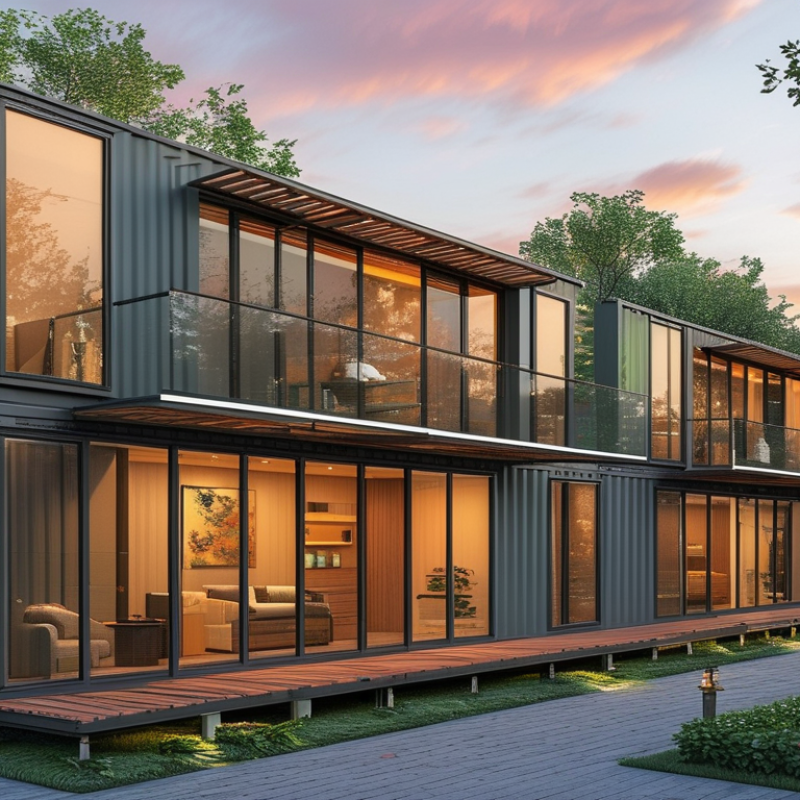
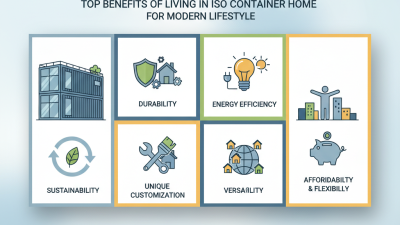
Container houses offer unique benefits. They are eco-friendly, affordable, and stylish. Consider your space requirements, local regulations, and design preferences. These factors can significantly impact your choice. Each container style has its own advantages, making it important to reflect on what truly matters to you.
Choosing a container house is not merely about aesthetics. It’s about practicality and sustainability. Think about the layout and functionality. Does it meet your daily needs? Consider the long-term implications of your choice, as this decision affects your quality of life. Take the time to explore different options before committing.
Understanding Your Container House Needs: Key Considerations
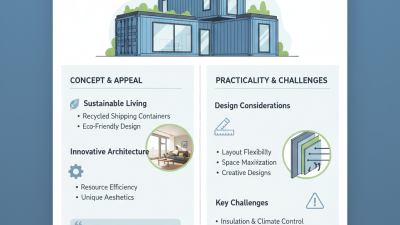
When considering a container house, it's vital to understand your specific needs. Start by defining your intended use. Are you planning to live in it full-time or use it as a vacation retreat? Each purpose demands unique features. For instance, a permanent residence might require insulation for climate control, while a part-time cabin could prioritize aesthetic appeal.
Space is another important factor. Assess how many occupants you expect. A compact design might suffice for couples, but families will need more room. Remember to think about layout and functionality. Open concepts often maximize small spaces, while multiple rooms serve larger households better. However, with limited space, future expansions might become a challenge.
Don't overlook regulations and zoning laws. They vary significantly and can impact your project. Research local guidelines to avoid complications. Lastly, it's essential to reflect on your budget. Container houses can be cost-effective, but upgrades and modifications can quickly escalate expenses. List what you need versus what you want. This will help maintain focus and avoid overspending.
Evaluating Container Types: Shipping Containers vs. Custom Builds
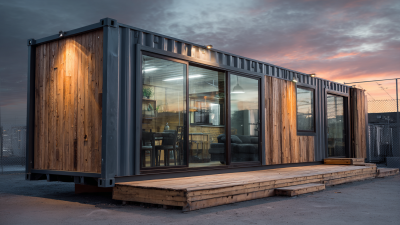
When considering a container house, the choice between shipping containers and custom builds is crucial. Shipping containers are affordable and readily available. They offer a unique industrial aesthetic. However, their inherent design limits flexibility. You may need to compromise on space and layout. Modifications often require specialized skills and tools.
Custom builds provide a solution for those desiring greater control. They can be tailored to individual needs, from size to materials. However, this comes at a higher cost. The time involved can also be significant. You might face delays and unexpected expenses during construction. Each option has benefits and drawbacks.
Evaluate your specific living requirements carefully. Consider environmental factors and local zoning laws. If you choose a shipping container, inspect its structural integrity before purchase. A custom build should align with your vision, but realistic budgeting is essential. Balancing creativity and practicality can be challenging. This decision demands thoughtful reflection to ensure it meets your lifestyle needs.
Assessing Structural Integrity: Industry Standards and Safety Ratings
When selecting a container house, assessing structural integrity is paramount. Industry standards dictate that these structures must withstand various environmental conditions. It's essential to check safety ratings, as they guide future homeowners in making informed choices. Look for materials that reflect durability and resistance to wear.
Pay attention to the design. Is it wind-resistant? How does it handle weight? These details can often be overlooked. Each container must comply with local building codes. An inspection is a wise investment to ensure compliance. Without it, you may face unexpected challenges down the road.
Moreover, consider the potential limitations. Not every container is built the same. The structural integrity may vary based on the source and manufacturing process. Engage with professionals who understand these dynamics. Their expertise can help you navigate the complexities of container home selection. Prioritizing safety can lead to a more secure and satisfying living environment.
Budgeting for Your Container Home: Costs and Financing Options
When budgeting for a container home, understanding costs is essential. Prices can vary widely based on design, size, and location. A basic shipping container can cost around $2,000, but that's just the start. You need to consider additional fees for insulation, plumbing, and electrical work. These can quickly add thousands to your budget. Professional help may also be necessary to ensure safety and compliance with local regulations.
Financing options come into play when you factor in the total cost. Traditional mortgages don't always cover unique structures like container homes. Some lenders offer personal loans, but the interest rates may be higher. Investigating local grants or programs for sustainable housing could be beneficial. Keep in mind, building a container home might take longer than anticipated. Planning for unexpected expenses can make a big difference. It’s crucial to be flexible and prepared to adapt as you move forward with your project.
Exploring Zoning Laws and Permits for Container Houses in Your Area
When considering a container house, understanding local zoning laws and permits is crucial. Many areas classify container homes as temporary structures. This classification can complicate your ability to secure permits. According to a 2023 report from the Institute for Housing Studies, only 45% of respondents successfully navigated these regulations without significant setbacks. It's essential to research local regulations thoroughly.
Zoning laws often dictate where you can place a container home. Some regions have restrictions based on land use, proximity to utilities, and aesthetic standards. A report from the American Planning Association highlights that around 30% of municipalities have explicit rules against container homes. This can be frustrating and may require you to adjust your plans or find an alternative location.
Building codes can also impact your ability to use shipping containers. Some areas require inspections to ensure that the structure meets safety requirements. The International Code Council notes that 25% of builders report encountering challenges with compliance. Each local authority may have its guidelines, making it essential to consult with local officials early in your planning process. Failing to secure the right permits can lead to costly delays or even project abandonment.