How to Choose the Best Flat Pack Container Office for Your Needs
When it comes to creating an effective workspace, the choice of office design plays a crucial role, particularly in today’s fast-paced business environment. Flat Pack Container Offices have emerged as a versatile and efficient solution for many organizations seeking flexibility and functionality. As industry expert John Thompson, a leading architect in modular construction, notes, “The beauty of a Flat Pack Container Office lies in its ability to adapt to various business needs while providing a quick setup and cost-effective solution.”
In this fast-evolving landscape, selecting the right Flat Pack Container Office involves several considerations, from size and layout to environmental impact and cost. Organizations are increasingly drawn to these innovative spaces because they offer seamless integration of modern design with practicality, allowing for rapid deployment without sacrificing quality or aesthetic appeal. As more companies embrace the concept of mobile and flexible workspaces, understanding the intricacies of choosing a Flat Pack Container Office is essential for making informed decisions that align with specific operational requirements.
In this guide, we will explore the key factors to consider, the benefits of opting for a Flat Pack Container Office, and how you can tailor your workspace to meet your unique needs, ensuring a conducive environment for productivity and growth.

Understanding Flat Pack Container Offices: An Overview of Benefits
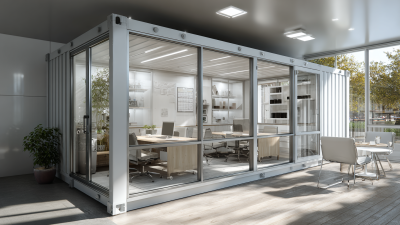
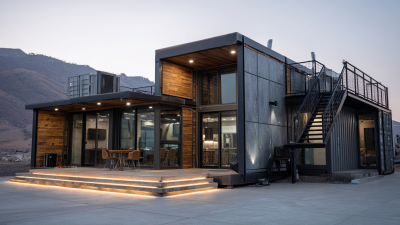
Flat pack container offices have emerged as a popular solution for various workspaces, offering an innovative alternative to traditional office buildings. One of the biggest advantages is their flexibility. These offices can be easily assembled and disassembled, allowing businesses to relocate or expand according to their evolving needs. This modular approach significantly reduces the time and cost associated with conventional construction, making it an ideal choice for startups or companies needing temporary sites.
In addition to cost-effectiveness, flat pack container offices boast impressive durability and sustainability. Constructed from robust materials, they are designed to withstand various environmental conditions, ensuring longevity. Many models also incorporate eco-friendly features, such as energy-efficient lighting and insulation, which contribute to lower energy costs and a greener footprint.
Moreover, their customizable designs mean that businesses can tailor the office layout to suit specific requirements, enhancing both productivity and employee comfort. This combination of practicality and eco-consciousness positions flat pack container offices as a smart choice for modern work environments.
Evaluating Space Requirements: Size and Layout Considerations
When selecting a flat pack container office, understanding your space requirements is crucial. The first factor to consider is the size of the space available for the office. According to industry reports, a single worker typically needs at least 100 square feet to work comfortably, which includes space for furniture and personal items. If you're planning to accommodate more employees or team collaboration areas, this footprint will increase substantially. For instance, research from the Workspace Design Association suggests that collaborative spaces should allow for 50-70 square feet per person, depending on the level of interaction you envision for your team.
Layout considerations are also paramount when designing a functional workspace. Open layouts may foster communication and teamwork but can also lead to distractions if not designed properly. A balance between open and private spaces is often recommended. For example, expert studies highlight that integrating quiet zones alongside open work areas can lead to a 20% increase in employee productivity. Furthermore, planning for adequate storage and utility connections within the layout is essential to maintain an organized and efficient work environment. By analyzing these space requirements carefully, you can create a flat pack container office that not only meets your operational needs but also enhances the overall wellbeing of your staff.
How to Choose the Best Flat Pack Container Office for Your Needs - Evaluating Space Requirements: Size and Layout Considerations
| Container Size |
Dimensions (L x W x H) |
Usable Floor Area |
Ideal Layout |
Recommended Capacity |
| Small |
10' x 8' x 8.5' |
80 sq ft |
1-2 Person Office |
1-2 People |
| Medium |
20' x 8' x 8.5' |
160 sq ft |
2-4 Person Office |
2-4 People |
| Large |
40' x 8' x 8.5' |
320 sq ft |
4-8 Person Office |
4-8 People |
| Extra Large |
40' x 10' x 10' |
400 sq ft |
8-10 Person Office |
8-10 People |
Material Choices: Comparing Durability and Insulation Properties
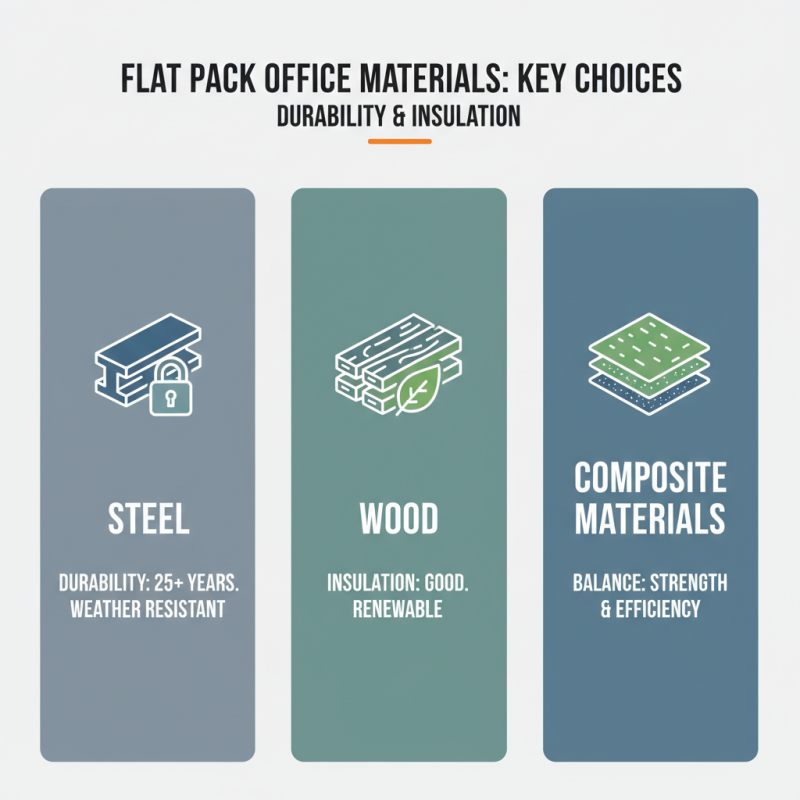
When selecting the best flat pack container office, understanding the material choices is crucial, especially concerning durability and insulation properties. Reports indicate that the most commonly used materials for container offices are steel, wood, and composite materials. Steel, known for its resilience, offers impressive strength and longevity, often exceeding 25 years when properly maintained. According to a study by the International Journal of Construction, steel structures can withstand harsh weather conditions, thus making them a favorable option for various environments.
Insulation plays a vital role in determining the energy efficiency of a flat pack container office. In colder climates, materials like polyurethane and expanded polystyrene insulation are preferred due to their superior thermal resistance, achieving ratings up to R-7.7 per inch. Research published in the Journal of Energy Resources Technology emphasizes that adequate insulation can significantly reduce heating and cooling costs, providing a comfortable working environment year-round. Furthermore, wood, while aesthetically pleasing and providing decent insulation, generally requires more maintenance, potentially limiting its longevity compared to steel options.
In considering these factors, prospective buyers should weigh the balance between sturdiness and insulation quality tailored to their specific needs, ensuring that their flat pack container office is not only functional but also sustainable in the long run.
Budgeting for a Flat Pack Office: Costs and Long-term ROI
When budgeting for a flat pack office, it is crucial to consider both the
initial costs and the long-term return on investment (ROI). The upfront expenses typically include the
purchase or lease of the container, transportation charges, site preparation,
and installation costs. While these figures can vary significantly based on size, materials, and
customization, understanding all associated costs will help prevent financial surprises later on.
Additionally, factor in ongoing expenses such as utilities,
maintenance, and any potential modifications needed for future expansion.
Long-term ROI for a flat pack office can be substantial if planned
carefully. These structures often offer a cost-effective alternative to traditional office spaces, reducing
overheads associated with rent and other fixed costs. The ability to relocate or repurpose a flat pack office
enhances its value, allowing businesses to adapt to changing needs without significant reinvestment.
Moreover, the speed of deployment can lead to quicker occupancy and revenue generation. When evaluating
potential sites and configurations, always keep in mind how these elements will contribute to the overall
financial health of your operation over time.
Regulatory Compliance: Understanding Building Permits and Standards
When selecting a flat pack container office, understanding regulatory compliance is crucial to ensure the structure meets local building codes and standards. Building permits are often required before installation, and these permits vary significantly by location. Engaging with local authorities early in the process is essential to clarify requirements and avoid costly delays or modifications down the line. This can involve submitting plans and specifications for review and potentially undergoing inspections throughout the building process.
Additionally, it is vital to stay informed about zoning laws and land use regulations that may impact where a container office can be situated. Different jurisdictions may have specific restrictions on the use of temporary structures or containerized buildings, which could affect operational capabilities. Familiarizing yourself with the applicable standards, such as safety codes or environmental assessments, will not only help you comply with legal requirements but also ensure the long-term viability of your container office solution. By prioritizing regulatory compliance, you can create a functional and legal workspace tailored to your specific needs.