How to Choose the Best Heavy Duty Slurry Pump for Your Needs?
Choosing the right heavy duty slurry pump is crucial for optimal operation. John Smith, a renowned expert in pump engineering, once stated, “The right slurry pump can make or break your project’s success.” This emphasizes the importance of understanding your specific needs.
heavy duty slurry pumps are designed for challenging environments. They handle abrasive and viscous materials, which makes them essential in industries like mining, construction, and wastewater treatment. Finding the perfect pump involves analyzing various factors, including flow rate, pressure, and material compatibility. Often, users overlook these details, leading to inefficiencies.
Moreover, the selection process can be overwhelming. Many options are available, each with unique specifications. It’s easy to get lost in technical jargon. Relying solely on brand reputation might not be enough. Practical experience and specific project demands play significant roles, highlighting the need for thorough research. Investing time in understanding what suits your needs will pay off in the long run.
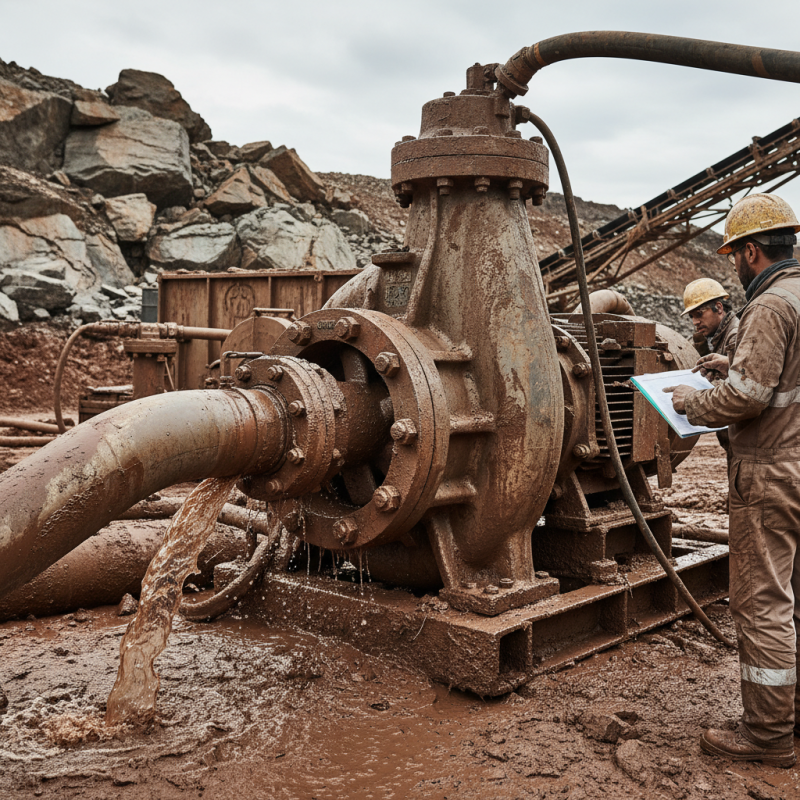
Understanding the Basics of Heavy Duty Slurry Pumps
When selecting a heavy-duty slurry pump, understanding the basics is crucial. These pumps handle abrasive materials and heavy slurries effectively. Typically, they find applications in mining and construction. According to industry reports, the global slurry pump market is predicted to grow by 6% annually. This growth reflects the increasing need across various sectors.
One important aspect is the pump's material. High-quality materials resist wear and corrosion. Rubber, for example, may suit some applications, while metal options can provide additional durability. The choice often depends on the type of slurry being pumped. It's essential to match pump materials with the specific demands of your operation.
Tip: Always consider the pump's efficiency rating. A higher rating can lead to significant savings in operational costs. Moreover, think about the size and power of the pump to meet your workload. If a pump is too small, it may lead to unnecessary strain.
Another consideration is maintenance. Regular checks ensure long-term functionality. Neglecting maintenance can result in costly downtime. A proactive approach is better than a reactive one. Regularly inspect wear parts and seals. This diligence can prolong the pump’s lifespan and boost overall productivity.
Identifying Your Specific Slurry Pump Requirements
Choosing the right heavy-duty slurry pump requires understanding your specific needs. Start by identifying the type of slurry you’ll be handling. Is it thick and viscous? Or maybe it’s more liquid with small particles? This distinction can significantly influence your pump's performance.
Consider the flow rate. How much slurry do you need to move in an hour? A pump that’s too weak could delay operations. On the other hand, an oversized pump might waste energy and increase costs. Evaluate the total head, or the height the slurry must be lifted. This factor is critical and often overlooked.
Additionally, look at the pump's material construction. It should withstand the abrasive nature of the slurry. Materials like rubber or hardened steel are ideal for longevity. The right choice will save you from frequent repairs. Don’t forget to reflect on your budget. A low initial cost might lead to higher maintenance expenses down the line. Balancing upfront and long-term costs is essential in making the best choice.
How to Choose the Best Heavy Duty Slurry Pump for Your Needs? - Identifying Your Specific Slurry Pump Requirements
| Pump Type | Max Flow Rate (m³/h) | Max Head (m) | Material | Applications |
| Centrifugal Slurry Pump | 500 | 40 | Cast Iron | Mining, Construction |
| Diaphragm Slurry Pump | 300 | 25 | Polypropylene | Chemical Processing |
| Submersible Slurry Pump | 400 | 30 | Stainless Steel | Dewatering, Wastewater |
| Vertical Slurry Pump | 600 | 50 | Rubber | Slurry Transport |
Evaluating Key Features of Heavy Duty Slurry Pumps
When selecting a heavy-duty slurry pump, understanding key features is crucial. These pumps deal with thick, abrasive materials. Look for a pump’s capacity and head. Capacity measures how much fluid it can handle. Head indicates the height it can pump. These factors vary by application.
Tips: Always assess your specific needs. A pump too small may fail under high demand. Conversely, oversized pumps may waste energy and increase costs. Find a balance that suits your requirements.
Another essential feature is the pump material. Slurry pumps often encounter abrasive substances. High-quality materials resist wear and extend pump life. Consider designs that allow easy maintenance. A user-friendly design saves time and reduces operational disruptions.
Tips: Don't overlook the sealing mechanism. Proper seals prevent leaks and protect the motor. Test seals periodically to ensure they function correctly. Small leaks can lead to significant problems over time. Consider all these features carefully for optimal performance.
Comparing Manufacturer Brands and Models
When selecting a heavy-duty slurry pump, it's crucial to compare different manufacturer brands and models. Many reports highlight performance metrics and reliability factors, helping users make informed decisions. For instance, a recent industry report asserts that 75% of owners prioritize efficiency over price when choosing a pump. This reflective data emphasizes the need to assess not only the initial costs but also long-term operational efficiencies.
Brand reputation also plays a vital role. Many manufacturers deliver various models without clear performance benchmarks. Market analysis indicates that models with higher quality materials tend to last longer, reducing maintenance costs by up to 30% over their lifespan. Pay attention to details like impeller design, which can significantly impact the pump's efficiency and durability.
However, even the best brands can have inconsistencies. Some models may underperform under heavy load. Users should examine user reviews and failure rates for each model. Data suggests that nearly 15% of heavy-duty pumps experience issues within the first two years of use. This statistic highlights the importance of thorough research and comparison before making a purchase. Knowing common pitfalls can lead to better choices.
Maintenance and Operating Considerations for Slurry Pumps
Choosing the right heavy-duty slurry pump goes beyond specifications. Maintenance is crucial for optimal performance and longevity. Regular inspection of pump components can significantly reduce unexpected downtime. A study from the Pump Industry Analysts shows that well-maintained pumps can operate efficiently for up to 20% longer than those neglected.
Monitor wear parts like impellers and liners. These components face significant abrasion when handling slurry. Replacing them at the right intervals can prevent major failures. Research indicates that up to 40% of slurry pump downtime is due to mechanical failure. Keeping an eye on operational parameters, such as pressure and flow rate, helps you catch early signs of trouble.
Operating conditions also matter. Ensure the pump is suitable for the specific types of slurry it will encounter. A mismatch can lead to inefficiencies and higher wear rates. Over time, improper handling can cost thousands in repairs. Understanding the interplay between materials and pump design is essential for making informed decisions. Regular training on operational best practices can also help operators make better choices during day-to-day functions.