How to Choose the Best Prefab Classrooms for Your Educational Needs?
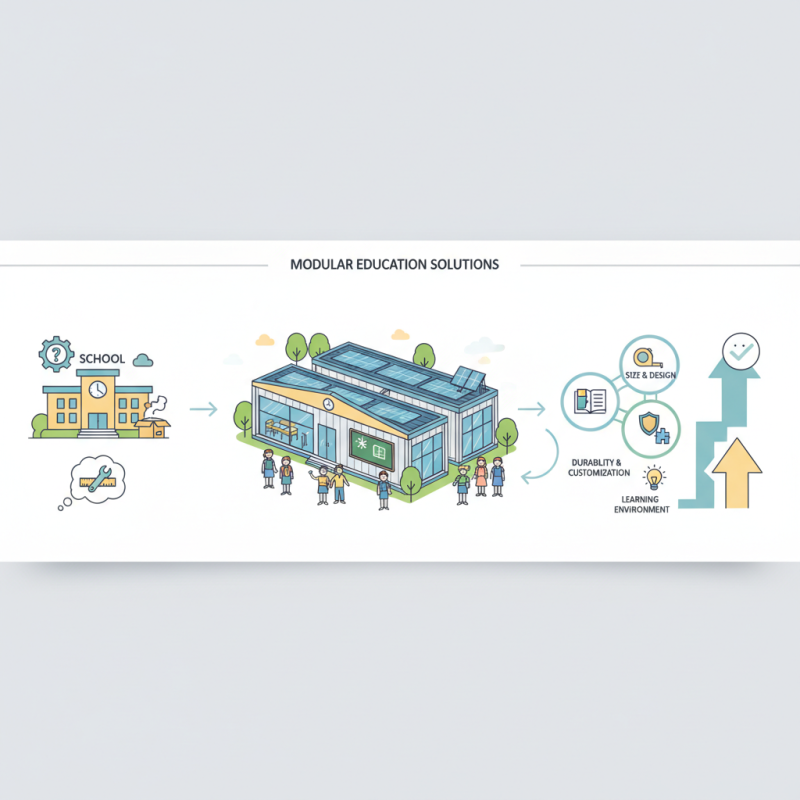
Choosing the right prefab classrooms for your educational needs is crucial. John Smith, a leading expert in modular education solutions, states, “Prefab classrooms can transform learning environments.” These structures offer flexibility and quick deployment. Schools often face space constraints, making prefab options appealing.
However, not all prefab classrooms are created equal. It’s vital to consider your specific requirements. Factors like size, design, and durability can significantly impact the learning experience. While many standard models exist, customization is key.
Challenges may arise during the selection process. What works for one school might not suit another. Reflecting on your unique needs can lead to better decision-making. The best prefab classrooms should foster a positive atmosphere for both students and teachers.
Factors to Consider When Selecting Prefab Classrooms
When choosing prefab classrooms, several factors must be considered. The purpose of the classroom is crucial. Will it host interactive learning sessions or serve as a quiet study space? Understanding the intended use helps guide your decision. According to a 2022 report by the National Institute of Building Sciences, 72% of schools reported needing flexible spaces for varying educational activities. This statistic underscores the importance of adaptability in design.
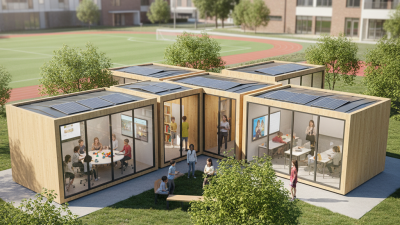
Location matters as well. The classroom's placement should allow easy access for students and staff. A thoughtful layout can reduce distractions and foster a better learning environment. Furthermore, consider materials used in construction. Sustainable materials can lower the environmental impact, appealing to an eco-conscious community. A study demonstrated that buildings made with sustainable materials can improve indoor air quality by 30%.
Tips: Check the classroom’s insulation properties. This can affect heating and cooling costs. Also, ensure that the building complies with local regulations. Safety features are paramount. Verify that all classrooms meet safety standards for emergencies. Not all suppliers offer the same level of quality. Researching different options can help avoid pitfalls.
Types of Prefab Classrooms Available for Educational Institutions
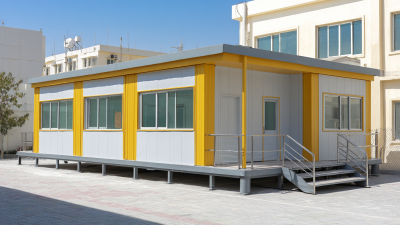
When considering prefab classrooms, several types cater to different educational needs. Modular classrooms are popular for their flexibility. They can be expanded or reconfigured easily. Schools often use them during construction or renovation projects. These classrooms can integrate well with existing buildings, yet they may lack some aesthetic appeal.
Another option is mobile classrooms. They provide immediate solutions for growing student populations. These units are easily transported and set up quickly. However, they might not offer the same durability as permanent structures. It's essential to reflect on how long you plan to use them.
In addition, prefab classrooms can include specialized designs. Some may focus on science labs, art studios, or even libraries. These tailored units enhance learning experiences. However, a school must ensure they meet specific educational standards. It's crucial to assess these needs carefully to avoid mismatched designs.
Types of Prefab Classrooms Available for Educational Institutions
| Type of Prefab Classroom |
Size (sq ft) |
Capacity (Students) |
Features |
Estimated Cost ($) |
| Standard Classroom |
800 |
20 |
Whiteboards, Desks, Air Conditioning |
25,000 |
| Science Lab |
1000 |
15 |
Countertops, Sinks, Storage for Equipment |
35,000 |
| Art Studio |
900 |
25 |
Natural Light, Easels, Storage for Supplies |
30,000 |
| Multi-Purpose Room |
1200 |
40 |
Flexible Seating, Audio/Visual Equipment, Storage |
40,000 |
| Library Annex |
1100 |
30 |
Bookshelves, Study Areas, Computers |
50,000 |
Assessing Space and Layout Requirements for Learning Environments
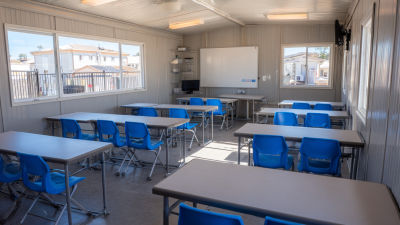
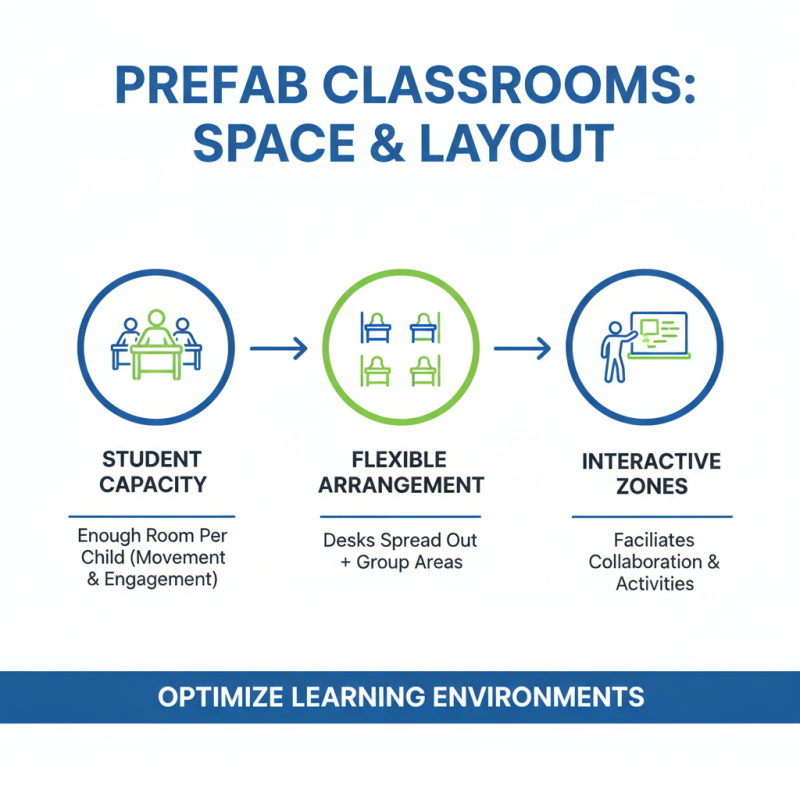
When selecting prefab classrooms, assessing space and layout is crucial. Start by considering the number of students. Each child needs enough room to learn and engage comfortably. A typical classroom should allow for movement. Desks need to be spread out. Group activities require open spaces. Think about how students interact.
Next, evaluate the layout for various teaching methods. Will you use traditional desks, or prefer flexible seating? Flexible designs can promote collaboration. Examine the dimensions of the classroom as well. Square footage influences how many students can fit. An awkward shape might limit your layout options.
Also, reflect on natural light and ventilation. These features greatly enhance the learning atmosphere. Classrooms should feel welcoming, not cramped. Explore if your chosen layout allows for quiet areas. Sometimes, you may need to sacrifice certain features for others. Prioritize what's essential for your educational goals. Layout choices can affect both teaching and learning styles in profound ways.
Evaluating Durability and Sustainability of Prefab Classroom Materials
When selecting prefab classrooms, evaluating the durability and sustainability of materials is crucial. According to the U.S. Green Building Council, classrooms made from sustainable materials can save up to 30% in energy costs. Durable structures, built to withstand wear and weather, reduce the need for frequent repairs. This results in lower long-term maintenance costs.
Wood, metal, and recycled composites are common materials for prefab classrooms. Wood offers natural insulation but can be susceptible to rot if not treated properly. Metals, like steel, provide strength but may require anti-corrosion coatings. Understanding these properties is essential when making choices.
Sustainability isn't black and white. Some materials may be eco-friendly but less durable. The balance is often difficult to achieve. Stakeholders should conduct life cycle assessments to weigh environmental impacts. Reports show that classrooms with high sustainability ratings often outperform traditional buildings in both longevity and environmental benefits. Pragmatic decision-making is necessary for optimal results.
Budgeting and Financing Options for Prefab Classroom Projects
When planning to build prefab classrooms, budgeting is crucial. Understanding the overall cost helps in making informed choices. You'll need to consider various factors. Land preparation, transportation, and installation fees can add to the initial budget. Sometimes, these hidden costs catch people off guard. It’s wise to account for them early on.
Financing options can also play a significant role. Many educational institutions are exploring grants and loans designed for prefab construction. Some local governments and nonprofits may offer financial assistance. However, paperwork can be a hassle. Ensure you meet all eligibility criteria. Often, the process takes longer than expected. Overlooking this can lead to delays.
You might also want to consider leasing options. This helps manage upfront costs. Yet, there might be long-term financial implications to think about. Reflect on the best choice for your specific needs. Balancing budget constraints with quality is tricky but essential. Exploring these financial avenues can improve the effectiveness of your project and enhance your educational environment.
Budgeting and Financing Options for Prefab Classroom Projects