How to Choose the Right Flat Pack Container Office for Your Needs?
Choosing the right Flat Pack Container Office is crucial for businesses today. According to industry expert John Smith, "The right container office can transform your workspace and enhance productivity." His insights reflect the growing importance of modular solutions in various industries.
When considering a Flat Pack Container Office, you must evaluate your specific needs. Think about space, functionality, and design. Each choice impacts your overall efficiency. A well-designed flat pack office enhances workflow, while a poor choice can stifle productivity.
Understanding your requirements is essential. It’s not just about affordability; it’s crucial to think long-term. Reflect on your company’s growth. The right container office should adapt to future demands, not just current ones. Through thoughtful consideration, businesses can find the perfect Flat Pack Container Office, setting a foundation for success.
Understanding the Different Types of Flat Pack Container Offices
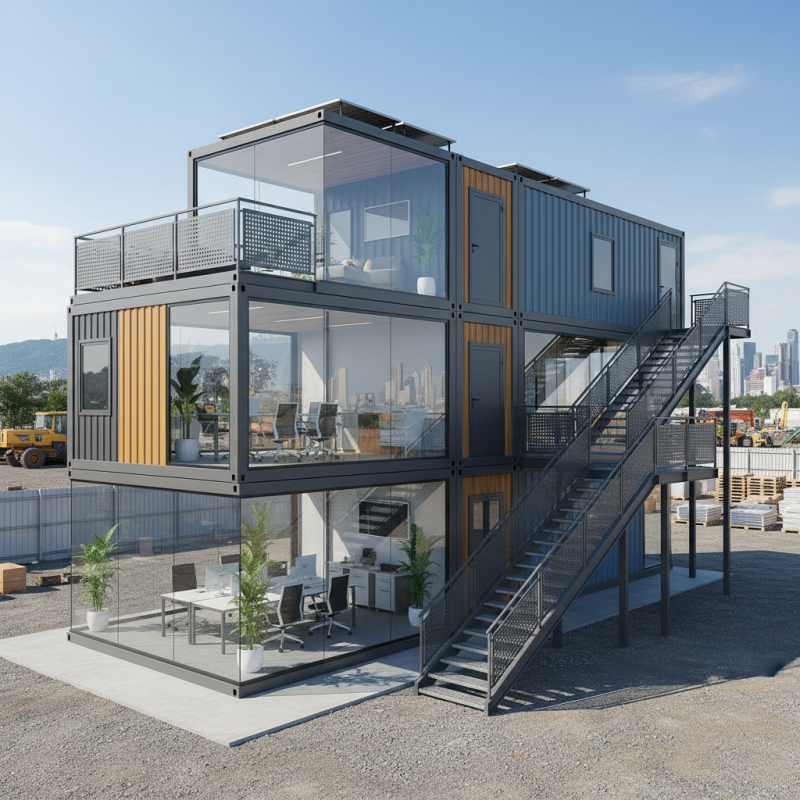
When selecting a flat pack container office, it's essential to understand the various types available. These offices can serve diverse functions. Modular offices are popular due to their flexibility. They can be expanded or modified easily to fit changing needs. According to industry reports, modular offices have been shown to reduce construction costs by up to 20%.
Another type is portable container offices. They are ideal for temporary projects. Their mobility allows them to be relocated easily. This versatility addresses the needs of companies facing rapidly changing work sites. However, one must consider the trade-off between space and portability. Smaller units may limit functionality.
Tips: Always assess your actual space requirements. Think about future growth needs. Quality matters too. Investigate materials used in construction. A durable option can save costs in the long run. Check reviews and seek expert advice to ensure reliability. With options available, it’s crucial to align personal or business needs with the right choice.
How to Choose the Right Flat Pack Container Office for Your Needs? - Understanding the Different Types of Flat Pack Container Offices
| Type |
Size (sq ft) |
Features |
Best Use Cases |
Cost Range ($) |
| Standard Office |
160 |
Insulated, Windows, Electric |
Remote Work, Temporary Offices |
3000 - 5000 |
| Meeting Room |
120 |
Soundproof, AC, Furniture |
Client Meetings, Team Discussions |
2500 - 4500 |
| Storage Container |
200 |
Durable, Secure |
Storage for Equipment, Tools |
1500 - 3000 |
| Restroom Unit |
80 |
Plumbing, Heating, Ventilation |
Construction Sites, Remote Locations |
2000 - 4000 |
| Cafeteria Unit |
300 |
Kitchenette, Seating |
Employee Break Rooms, Temporary Cafes |
4000 - 6000 |
Assessing Your Space and Layout Requirements for Container Offices
When choosing a flat pack container office, it’s crucial to assess your space and layout requirements. According to industry reports, about 75% of businesses overlook their actual spatial needs, leading to inefficient layouts. Start by measuring your available area. Accurate measurements help prevent issues later.
Consider the intended use of the office. Will it house teams or serve as a quiet workspace? Each function demands different layouts. Design flexibility can be critical; you may need to adapt layouts in the future based on employee needs or growth.
Tips: Ensure there’s enough space for furniture and equipment. Aim for a 10% buffer zone to keep the area from feeling cramped. Also, think about accessibility; wider aisles can improve movement. Remember, poor planning can lead to a workspace that hinders productivity rather than enhances it. Reflect on how your layout can foster collaboration or focus.
Make use of natural light, if possible. Optimal lighting can boost morale and productivity. The ideal layout incorporates bright, inviting environments while ensuring practicality. Don’t rush this process; reflecting on your needs can save time and resources later.
Evaluating Material Quality and Durability of Container Offices
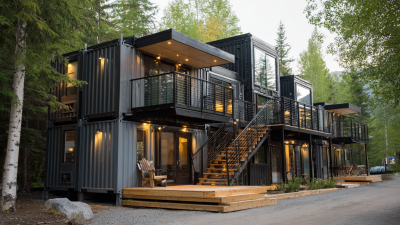
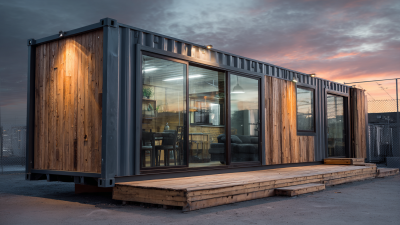
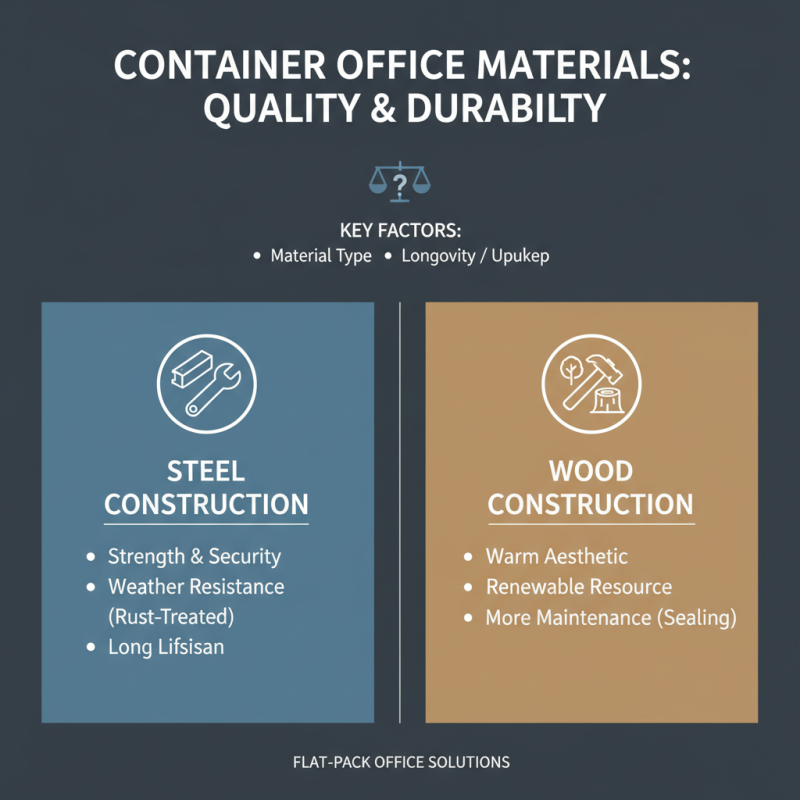
Choosing the right flat pack container office involves careful consideration of material quality and durability. When evaluating these aspects, start by examining the construction materials used in the container. Steel and wood are popular choices, but their longevity varies. Steel offers strength and better resistance to harsh weather. On the other hand, wood provides a warmer aesthetic, though it may require more maintenance over time.
Furthermore, consider the thickness of the walls and insulation. Thicker walls imply better durability and insulation. Look for container offices with high R-values for energy efficiency. This is crucial for maintaining comfortable temperatures, especially in extreme weather. However, not all containers are created equal. Some may seem robust but can deteriorate quickly if made from subpar materials.
Additionally, reflected on potential condensation issues. A well-sealed container helps prevent moisture, but improper installation can leave you with hidden problems. It’s easy to overlook minor details, assuming they won't affect long-term usage. However, these factors can impact not only comfort but also the overall lifespan of your container office. Look closely at design elements that contribute to both aesthetics and functionality, ensuring a wise investment.
Exploring Customization Options for Your Container Office
When exploring customization options for your flat pack container office, consider your specific needs. Layout, functionality, and aesthetics are key aspects. You might want to create separate workspaces or an open-plan design. The choice depends on how you plan to use the office. Customization allows you to tailor your space to fit your workflow.
Lighting is another area where customization shines. Natural light can enhance productivity. Adding windows or skylights may improve the atmosphere. However, consider the potential for overheating in warmer months. Balancing natural light and temperature control is crucial.
**Tip:** Think about storage solutions. Custom shelves and cabinets can help keep your space organized.
Moreover, insulation is vital for comfort. Different insulation materials offer varying benefits. You can choose based on your climate and energy efficiency needs. Don’t overlook electrical and plumbing systems either. A well-planned layout will avoid headaches later.
**Tip:** Don't forget about aesthetics. Paint colors and furnishings can impact mood. Personalize your office to inspire creativity and comfort.
In the end, focus on what matters for your business. Aim for a container office that reflects your brand and work style while meeting practical needs.
Budgeting and Cost Considerations When Choosing Container Offices
When selecting a flat pack container office, budgeting is crucial. Costs can vary greatly based on size, design, and features. Understanding your financial limits will guide your choices more effectively.
Consider the initial purchase price as well as ongoing costs. Think about delivery fees and installation expenses. Don’t forget utilities and maintenance when calculating long-term costs.
Tips: Look for options that offer good insulation. This can reduce heating and cooling costs significantly.
Explore second-hand containers if your budget is tight. They can be more affordable and still functional. Ensure inspection for damage before purchase.
Evaluate what you truly need versus what is available. Your ideal space might not require the latest designs. Flexibility can save you money.