Building Faster | Smarter | Greener

Leave Your Message

How to Choose the Right Flat Pack Containers for Your Needs?

In today's fast-paced world, choosing the right Flat Pack Containers can be challenging. Industry expert, Emily Hart, states, "The right container can make or break your storage efficiency." This emphasizes the critical nature of making informed choices. With various options available, understanding your specific needs is essential.

Flat Pack Containers come in different sizes and materials. Determining factors like usage frequency and space are vital. It’s common to underestimate how much storage one really needs. People often overlook factors such as durability and ease of assembly. These details matter more than one might think.

Reflecting on past experiences can guide your decision. Perhaps a container didn’t fit your space well, or it wore out quickly. Such lessons teach valuable insights about quality and design. Finding the right Flat Pack Containers should be a thoughtful process. Every detail contributes to the overall functionality and satisfaction with your storage solutions.
How to Choose the Right Flat Pack Containers for Your Needs?

Types of Flat Pack Containers Available on the Market

When selecting flat pack containers, it’s important to understand the types available. Generally, these containers vary in size, material, and design. Some are made of durable plastic, while others use metal or cardboard. Each type has different uses. Plastic options work well for food storage, while metal containers are ideal for tools or equipment.

Cardboard containers are lightweight and cost-effective. They are great for temporary storage. However, they may not withstand moisture or heavy loads. You need to consider your storage environment carefully. For example, a garage may require more robust solutions than a small kitchen.

Some containers have adjustable features. This helps to maximize space but might increase complexity. Simple designs can often be more efficient. When evaluating your needs, reflect on whether you really require additional compartments or dividers. Sometimes, less is more. Adjust your choices to what you truly need.

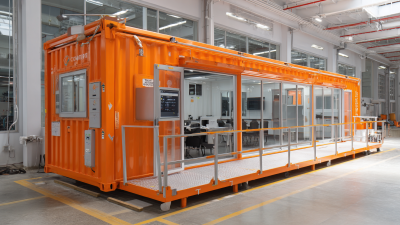
Factors to Consider When Choosing Flat Pack Containers

When choosing flat pack containers, several factors are crucial. Size is the first consideration. Containers come in various dimensions. Pick one that suits your storage needs. For instance, a report from the Container Management Association states that 40% of users struggle with improper sizing. This can lead to wasted space or spoilage of contents.

Next, consider material. Containers made from food-safe plastics are essential for perishables. In contrast, corrugated cardboard is lightweight but may not be durable. According to a study by the Packaging Research Institute, 30% of businesses reported damage due to inadequate materials.
Weight matters too. Heavy containers can increase shipping costs.

Think about reusability. Some containers can be reused many times, saving costs long-term. However, these options may require more upfront investment. A survey found that 25% of businesses overlook this aspect, leading to recurring purchases.
Remember, the right choice impacts your bottom line and efficiency.

Material Options for Flat Pack Containers and Their Benefits

When choosing flat pack containers, material plays a crucial role. You usually find options like cardboard, plastic, or metal. Each material has unique benefits. Cardboard is lightweight and recyclable. It's great for one-time use. However, it can’t withstand moisture.

Plastic offers versatility. It's durable and often stackable. Many people appreciate its resistance to water. Yet, some may find it less eco-friendly. Look for recycled options if you prefer sustainability.

Metal containers can be sturdy and reusable. They work well for heavy items. But their weight can be a downside.

Tips: Consider what you will store. If it's food, opt for food-safe materials. For fragile items, a padded option might be necessary. Always check for features like handles or lids. Think about where you'll keep these containers. Not all materials fold or store easily. Some may take up space when packed away. Be aware of these factors when making your choice.

Sizing Considerations for Different Flat Pack Container Needs

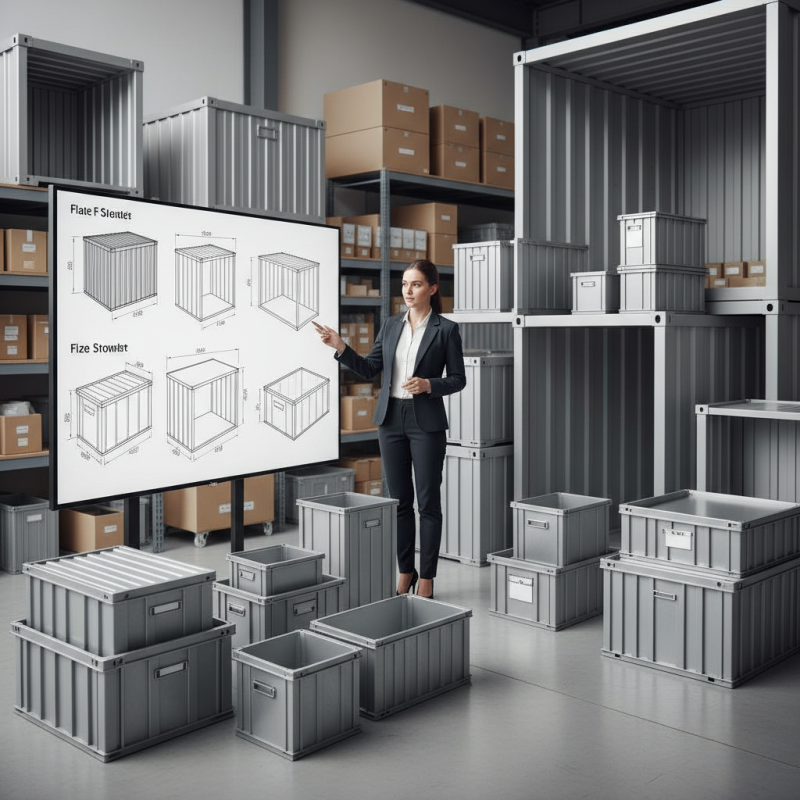
Choosing the right flat pack containers involves understanding your specific needs. Sizing is a critical factor that determines how well they will function for you. Consider what you plan to store. Will it be tools, clothes, or food items? Each type of item may require different dimensions.

Think about your available space. Measure the area where you intend to place the containers. This will help you visualize fitting them without clutter. It's essential to account for accessibility, too. A container that is too large might be hard to reach and use effectively.

Tips: Always leave some room for error in your measurements. A small miscalculation can lead to frustration later. Also, think about future needs. You may not require large containers now, but your storage needs can change quickly.

Take time to review your choices. Sometimes, less means more. A few versatile, well-sized containers can be more effective. Reflect on the materials as well. Durability matters, especially for heavier items.

Cost Analysis: Budgeting for Flat Pack Containers

How to Choose the Right Flat Pack Containers for Your Needs?

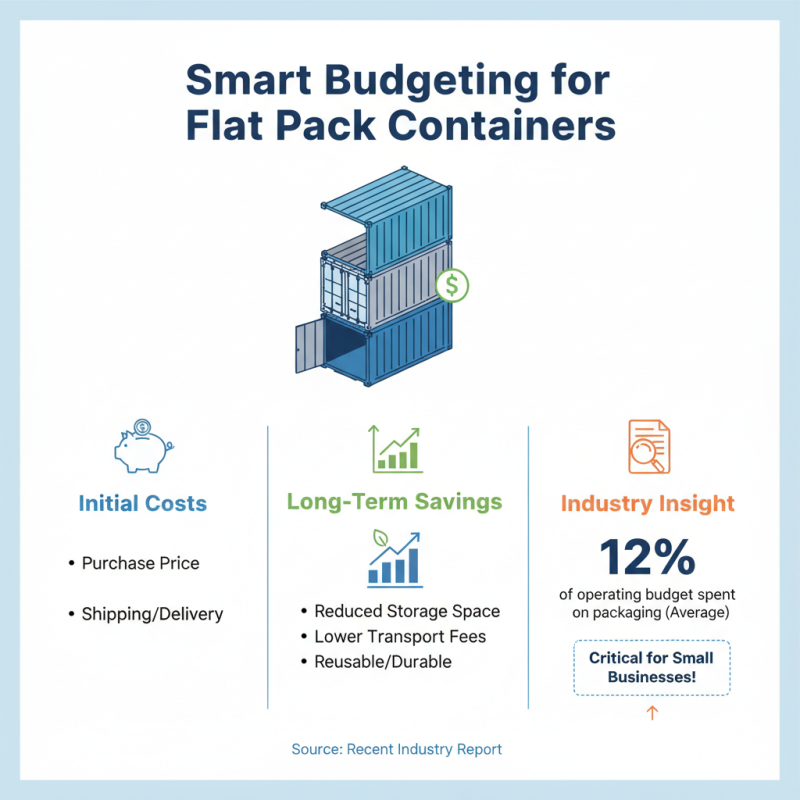
When budgeting for flat pack containers, consider initial costs and long-term savings. A recent industry report highlighted that businesses spend an average of 12% of their operating budget on packaging. This statistic illustrates how critical effective budgeting can be. Smaller businesses, in particular, can feel this pinch. They often lack the resources to absorb high packaging costs.

Flat pack containers can offer significant savings. They typically require less storage space and reduce shipping costs. According to a study, using flat pack designs can decrease shipping expenses by up to 30%. When choosing these containers, think about how the design impacts your overall spending. However, the cheapest option might not always be the best. It’s essential to assess the durability and usability of the containers. Those cheaper containers may not withstand stress, leading to potential product damage.

Assessing your needs is vital. For instance, are you focusing on customer presentation or functionality? Finding the right balance is key. Some companies report underestimating costs related to reordering due to poor-quality packaging. Reflecting on these issues may help you avoid costly missteps. Ultimately, understanding your budget requires a careful evaluation of both immediate and future expenses.