How to Choose the Right Prefabricated Houses for Your Needs?
Choosing the right prefabricated house is crucial for your needs. Expert architect Jane Doe, known for her knowledge in modular design, states, “Prefabricated houses offer unmatched flexibility and efficiency.” This highlights the importance of selecting the home that fits your lifestyle and preferences.
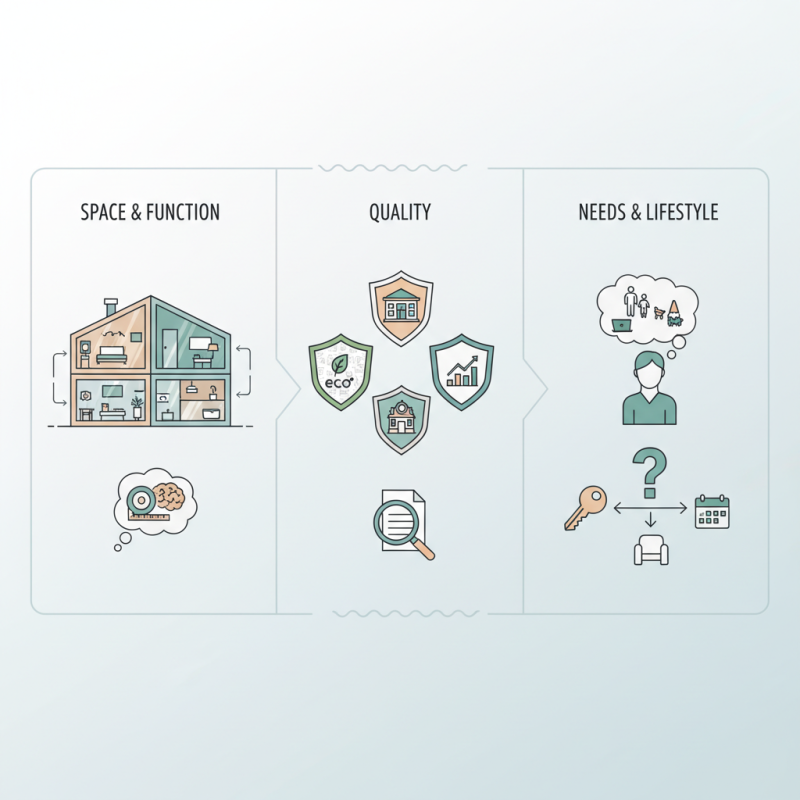
When considering prefabricated houses, think about space and function. You may want an open floor plan or specific room configurations. Each choice impacts daily life and comfort. Take time to visualize how you will use each space. Flexibility in design is a key advantage, but it can also lead to overwhelming options.
Quality matters too. Look for manufacturers with strong track records. Some brands prioritize eco-friendliness while others focus on luxury. Researching these factors builds confidence in your decision. In a market filled with choices, knowing what works best for you can feel daunting. Careful reflection on your needs will guide you in choosing the right prefabricated house.
Understanding Prefabricated Houses: Types and Benefits
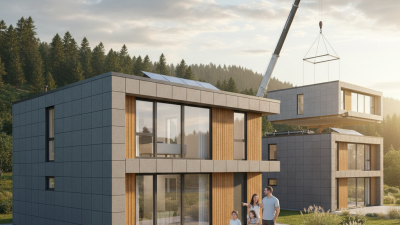
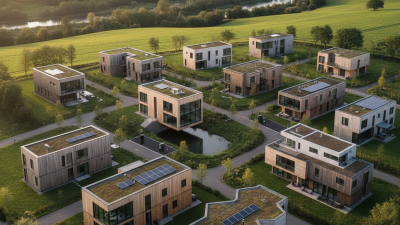
Understanding prefabricated houses can help you make an informed decision. These structures are factory-built and assembled on-site. They come in various types, including modular, panelized, and mobile homes. Each type has unique benefits and considerations.
Modular homes are popular for their versatility. They can be customized to fit your design preferences. Panelized homes offer quick construction times. Their panels are pre-cut and ready for assembly. Mobile homes provide flexibility, allowing easy relocation.
Tips to consider: Assess your space requirements. Look for energy-efficient options to save on utility bills. Research local regulations to ensure compliance. Prefabricated houses may seem ideal, but not every option suits everyone. Think about your long-term goals. Consider future expansions or changes in family size. This reflection can guide your choice.
Assessing Your Budget and Financing Options for Prefabricated Homes
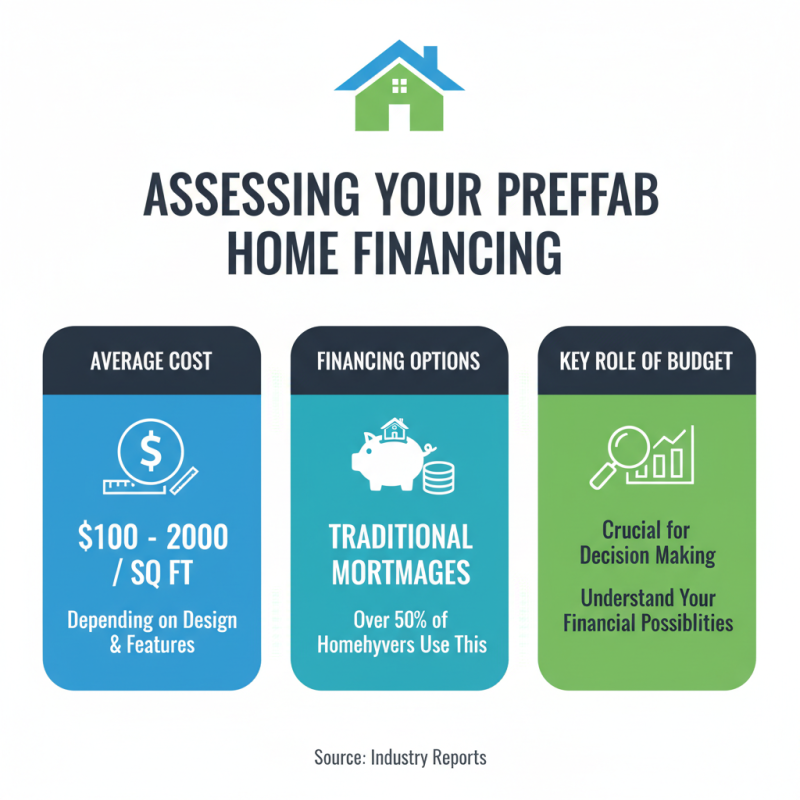
When considering prefabricated homes, your budget and financing options play a crucial role. The average cost of prefabricated houses ranges from $100 to $200 per square foot, depending on design and features. According to industry reports, more than 50% of homebuyers finance their prefabricated homes through traditional mortgages. This figure highlights the importance of understanding your financial possibilities.
Tips: Assess your current financial position. Calculate your savings, income, and expenses to determine how much you can afford. Aim for a budget that allows for unexpected costs. Many experts recommend including 10-15% beyond your initial estimate.
Look into financing alternatives. Some prefabricated home builders offer in-house financing, which can simplify the process. Federal Housing Administration (FHA) loans are available specifically for modular homes. These loans often have lower down payments, making them accessible for more buyers. Remember, you should thoroughly review terms and conditions before committing.
Navigating financial options can feel overwhelming. It's critical to seek advice. Connect with mortgage professionals who understand prefabricated homes. They can provide insights tailored to your situation, helping you to make informed decisions.
Evaluating Location and Land Requirements for Prefabricated Houses
When considering prefabricated houses, location and land requirements play a crucial role. Approximately 60% of homeowners note that site selection impacts their overall satisfaction. This means choosing the right location is vital. First, assess the local zoning laws. Each area has different regulations that can affect where you place a prefabricated home. Failure to comply can result in delays or additional costs.
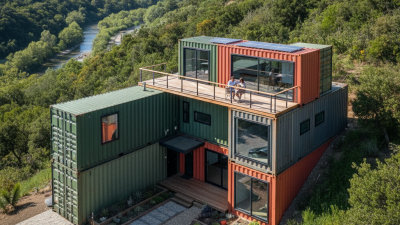
Land type is equally important. A flat plot is generally easier and cheaper to develop. According to industry reports, slopes can add 20% to the construction costs. Soil quality matters too. Poor soil can lead to complications, requiring additional foundation work, which can push your budget over the limit. It’s essential to carry out a soil test before making a purchase.
Consider accessibility and utilities as well. Is the land easily reachable? Check if water, electricity, and sewage systems are available. Some homeowners find themselves in a dilemma when they realize utilities require additional investment. These factors collectively determine the feasibility of your prefabricated house project. Missing any details can lead to significant setbacks, so thorough planning is essential.
Identifying Key Features and Customization Options in Prefabricated Homes
When choosing a prefabricated house, several key features and customization options should be considered. One important aspect is the layout. A well-designed floor plan can enhance space utilization. Think about how many rooms you need. Will you require an open concept for social interactions? Having a clear vision helps in narrowing down options.
Another critical feature is energy efficiency. Look for homes with high-quality insulation and efficient heating systems. These attributes can significantly reduce energy bills. Consider windows as well. Quality windows not only provide aesthetics but also improve energy conservation.
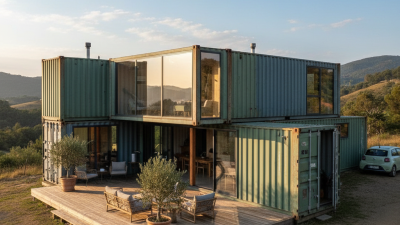
Customization is vital in making a prefabricated home feel personal. Different materials can be selected for interiors, impacting the overall vibe of the space. You might prefer wood finishes for a cozy feel or sleek metal for a modern touch. Reflect on what suits your lifestyle. Not all customization options are feasible for every budget, so prioritize your preferences wisely. Making choices while being aware of your limitations is essential.
Researching Manufacturers and Reviews to Ensure Quality and Reliability
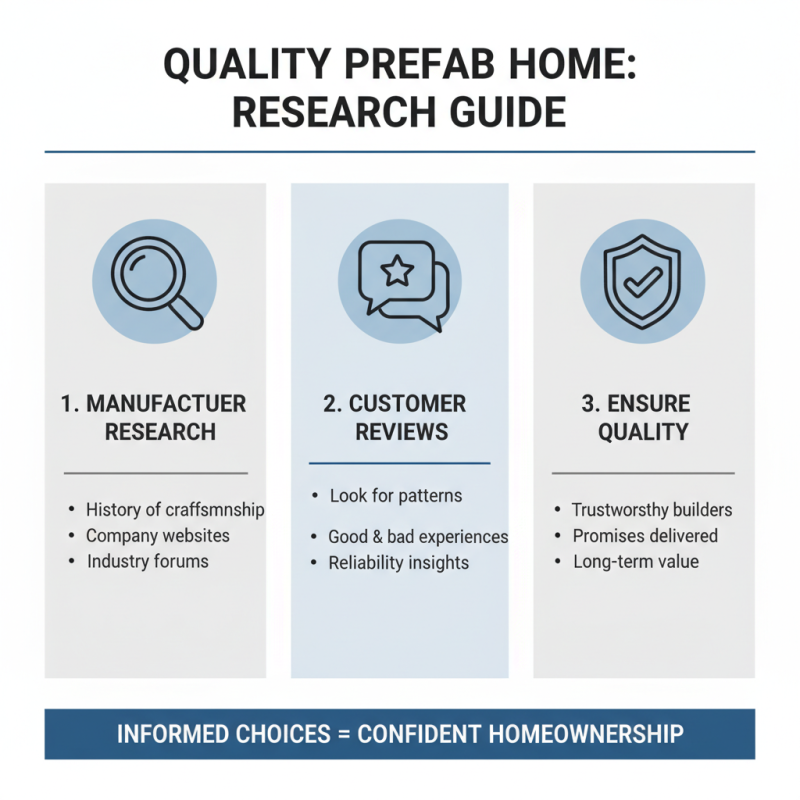
When selecting a prefabricated house, researching manufacturers is critical. Begin by looking for companies with a history of quality craftsmanship. Websites, forums, and reviews can provide insights into their reliability. Pay attention to customer feedback. Look for patterns in their experiences, both good and bad. This can help you identify trustworthy manufacturers who deliver on their promises.
Tips: Always check for licenses and certifications. This adds a layer of security. Don’t forget to reach out to past customers if possible. Their firsthand perspectives can reveal hidden issues. Consider the long-term value, not just the upfront cost. Cheap options may lead to regrets later.
Evaluate construction materials as well. Not all prefab houses are created equal. Some may use subpar materials to cut costs. Asking questions about insulation, durability, and environmental impact can shed light on potential issues. It’s okay to have doubts. Reflecting on your choices can guide you to make better decisions for your future home.