How to Choose the Best Iso Container House for Your Needs?
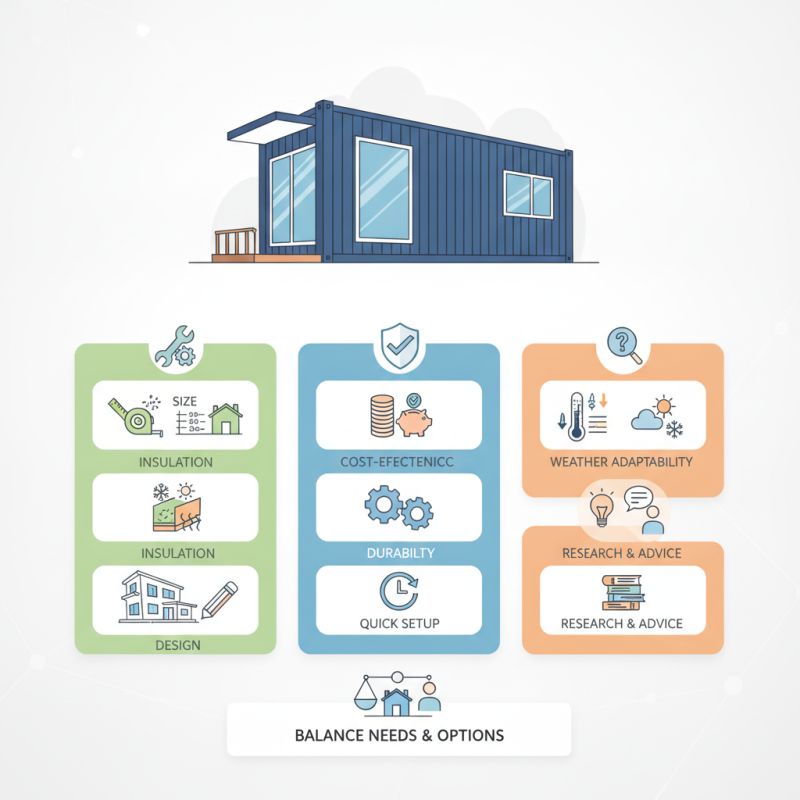
In recent years, the popularity of Iso Container Houses has surged. According to a report by Technavio, the global portable building market is expected to grow by over 5% annually. This growth reflects the increasing demand for flexible living and working spaces. An Iso Container House offers durability, cost-effectiveness, and quick setup.
However, selecting the right container house can be challenging. Potential buyers often face various options and configurations. Many factors come into play, such as size, insulation, and design. Each decision impacts quality and functionality. It’s crucial to balance personal needs with available options.
Each Iso Container House has its strengths and weaknesses. Not all constructions meet the same standards of insulation or stability. Reports suggest that some units may not be suited for extreme weather without proper modifications. Therefore, thorough research and professional advice are essential in making an informed decision.
Understanding Iso Container Houses and Their Benefits
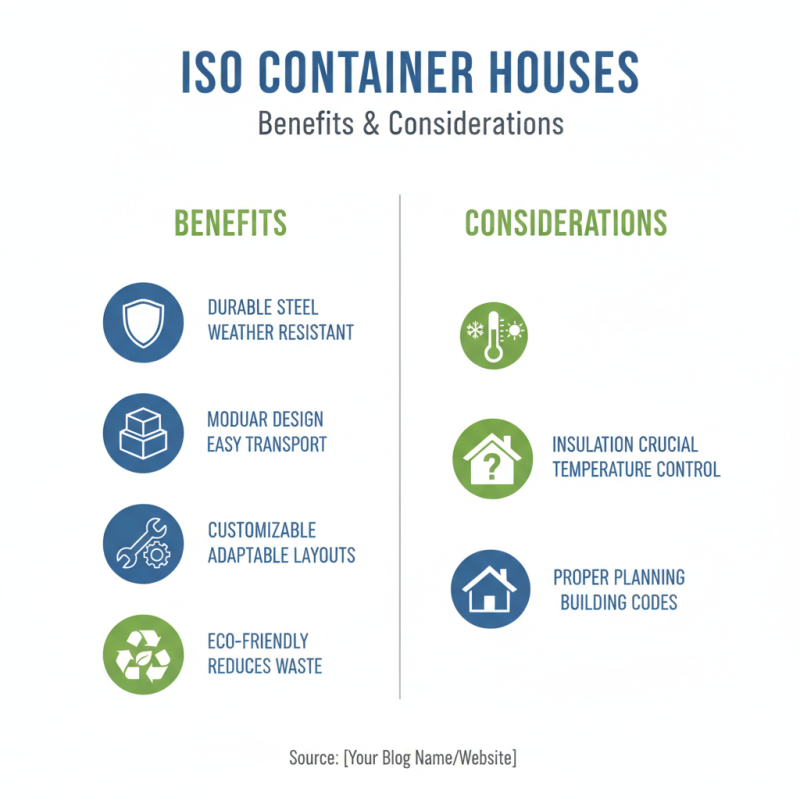
Iso container houses are gaining popularity for various reasons. They are made from durable steel, providing strength against harsh weather. The modular design allows for easy stacking and transportation. These homes can often be customized to suit individual needs. Many choose them for their eco-friendliness, as repurposing shipping containers reduces waste. However, it’s essential to understand the insulation requirements. Without proper insulation, temperature control can be a challenge.
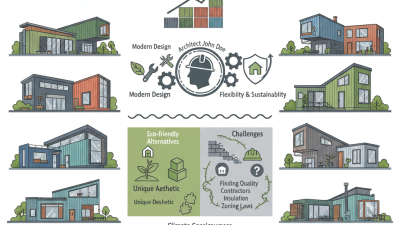
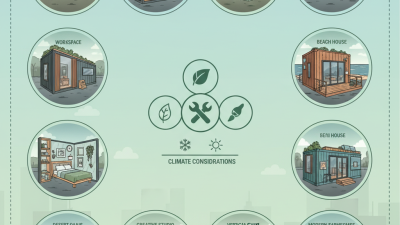
The flexibility of iso container houses is also appealing. They can serve as homes, offices, or even studios. This versatility makes them suitable for various locations, from urban areas to remote sites. However, their aesthetic appeal might not match traditional buildings. Some find the industrial look off-putting. It’s crucial to consider personal taste when selecting a container home.
Transportation costs can add to the overall expense. Some people overlook this during planning. Local zoning laws may also restrict where these homes can be placed. Researching regulations in your area is vital. While iso container houses present numerous advantages, weighing these elements against your specific needs will lead to a more satisfying choice.
Evaluating the Quality and Durability of Container Materials
When evaluating the quality and durability of container materials for your iso container house, it's crucial to understand the different types. Steel is the most common choice. It offers strength and longevity. However, not all steel is equal. Some containers use thinner materials, which may not withstand harsh weather over time.
Corten steel is a popular option due to its resistance to corrosion. Yet, even this material can degrade if not properly maintained. Regular inspections are essential. Look for rust or significant dents. These issues can compromise structural integrity.
Additionally, insulation plays a critical role in durability. Many containers lack appropriate insulation, leading to temperature issues. Insulating effectively can protect the container from extreme temperatures. Consider eco-friendly insulation options that enhance durability without harming the environment.
In this decision-making process, reflect on your specific climate needs. The wrong choice can lead to costly repairs. Take the time to assess materials thoroughly; it can save you from future headaches.
Material Comparison for Iso Container Houses
This bar chart illustrates the durability ratings of various materials commonly used in iso container houses, enabling you to assess which material might best meet your needs for quality and longevity.
Considering Layout and Space Optimization in Container Design
When choosing an ISO container house, optimizing layout and space is crucial. A study by the Container Housing Report reveals that effective design can increase usable space by up to 30%. This is significant, especially when space is limited.
Consideration of natural light and airflow can enhance both comfort and energy efficiency.
Open floor plans create a sense of spaciousness. Removing unnecessary walls can also allow for fluid movement.
Multifunctional furniture, like convertible sofas or foldable tables, can save space.
Research indicates that maximizing vertical space can effectively double your usable area.
Tips: Always visualize your layout before finalizing details. Sketching or using 3D design software can highlight potential challenges early. Many builders overlook the importance of natural ventilation. Ensuring proper airflow improves comfort and reduces energy usage.
It's essential to remember the limitations of container homes.
These units may require insulation adjustments for extreme climates.
Regular maintenance is also needed to prevent rust or wear.
Thoughtful design can mitigate some of these issues, but it's important to remain realistic about potential shortcomings.
Exploring Budget Options and Cost-Effective Solutions for Your Project
When considering an iso container house, budget options are crucial. Research indicates that the average cost of building a container home ranges from $10,000 to $35,000. Yet, many factors influence this range, including location and customization. Basic models are more affordable, but added features can escalate costs. A simple design may seem less appealing, but it can save thousands.
Cost-effective solutions often come from choosing refurbished containers. A report by the Container Housing Association states that refurbished containers can be 30% cheaper than new ones. These options maintain structural integrity while providing significant savings. It's essential to assess the condition and potential need for modifications. Some may require insulation or plumbing, which adds to the overall budget.
Additionally, exploring community regulations is necessary. Some areas impose strict building codes on container homes, leading to unexpected expenses. Local governments may require permits that influence the timeline and costs of your project. Therefore, researching these requirements upfront can prevent budget overruns and ensure smoother project progression.