Why Are Container Camps Gaining Popularity in Modern Temporary Housing?
The rise of Container Camps in modern temporary housing reflects evolving societal needs and preferences. A market report by Global Market Insights estimated the Container Camps industry will exceed $10 billion by 2025. Increasing urbanization and the need for quick housing solutions contribute to this trend.
Industry expert Dr. Emily Carter emphasizes, "Container Camps provide a flexible and sustainable option for essential housing." These structures are modular and can be deployed rapidly, making them ideal for disaster relief and population surges. Yet, challenges remain. Critics point to the lack of permanence and potential isolation for residents.
While Container Camps offer immediate shelter, they often lack community integration. The aesthetic and functional quality varies widely, affecting user experience. Policymakers must balance these factors to realize the full potential of Container Camps. The conversation around their effectiveness is ongoing, revealing both opportunities and shortcomings in temporary housing solutions.
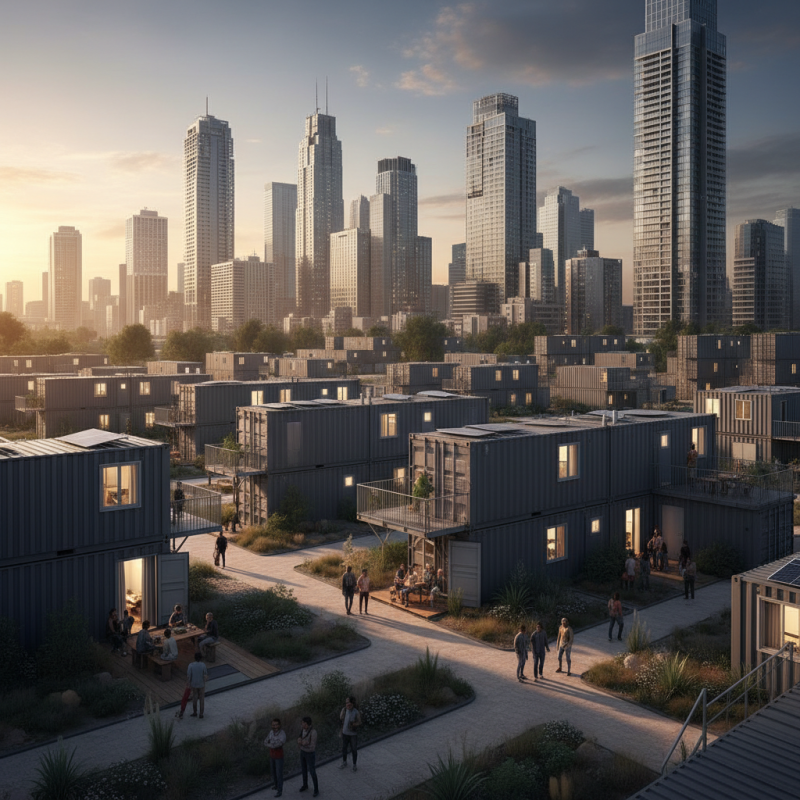
The Rise of Container Camps in Temporary Housing Solutions
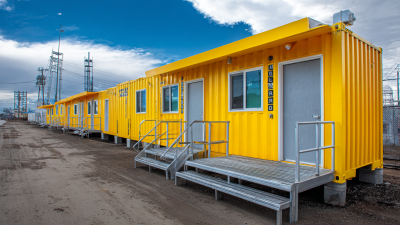
Container camps have emerged as a fascinating solution in the realm of temporary housing. These camps provide affordable and efficient living arrangements, especially in crisis situations. They stand out due to their modular design, allowing rapid deployment. Each unit can house individuals or families, offering basic amenities. Unlike traditional shelters, container camps can accommodate larger numbers of people more effectively.
The rise of container camps reflects a response to various global challenges. Urbanization and emergencies have increased the demand for quick housing solutions. These camps present a feasible option yet come with their own set of issues. Many people may feel confined, as the space can be limited. Additionally, the aesthetic appeal may not resonate with everyone. Some communities have raised concerns about the long-term implications of such housing.
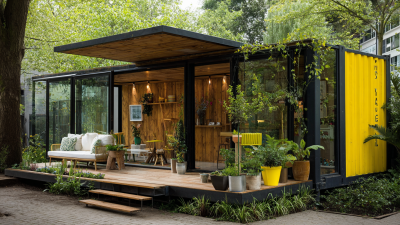
Despite these concerns, container camps continue to gain popularity. They highlight an innovative approach to housing, merging functionality with mobility. There’s an undeniable charm in transforming an industrial container into a livable space. Each structure tells a story, turning scarcity into opportunity. Yet, as these camps grow, so must our approach to ensuring comfort and dignity for their residents.
Why Are Container Camps Gaining Popularity in Modern Temporary Housing?
Economic Factors Driving the Adoption of Container Camps
Container camps are becoming a popular choice for temporary housing. Economic factors play a significant role in this trend. Traditional housing can be expensive. Urban areas often face high real estate costs. In contrast, container camps offer a cost-effective solution.
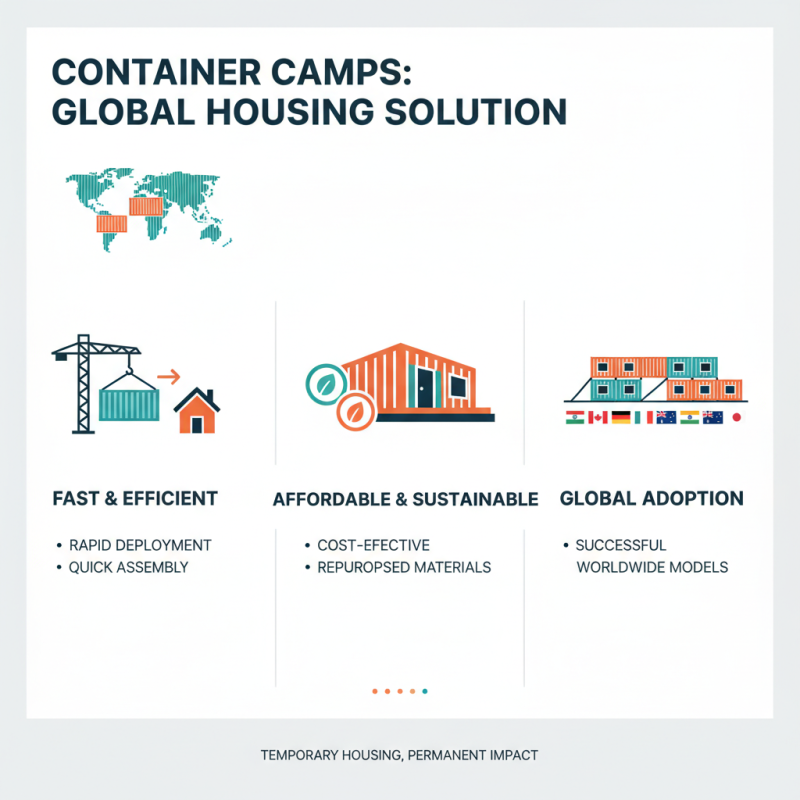
These camps are relatively quick to set up. They require less investment than conventional buildings. Additionally, they use repurposed materials, promoting sustainability. This makes them attractive to budget-conscious organizations. They meet urgent housing needs effectively. However, they may lack comfort and aesthetics, raising concerns about long-term livability.
Economic pressures push cities to find innovative housing solutions. Container camps can adapt to different environments easily. They can be moved or expanded based on demand. Yet, their temporary nature may leave residents feeling unsettled. Balancing cost-saving measures with quality of life remains a delicate task. There is a need for ongoing dialogue about improving amenities.
Flexibility and Mobility: Key Advantages of Container Housing
Container housing is on the rise, becoming increasingly popular in modern temporary living. This trend appeals to many due to its unique flexibility. These structures can be easily relocated, making them ideal for various situations. Whether it's a disaster relief effort or a temporary housing solution, container camps offer a versatile option.
Mobility is one of the core benefits of container housing. Unlike traditional homes, these units can be transported to different locations quickly. Imagine finishing a project and packing up your living space within days. This adaptability allows for efficient use of resources, especially in times of crisis. However, some challenges exist. Finding suitable land for placement can be difficult. Local regulations may also complicate rapid deployment.
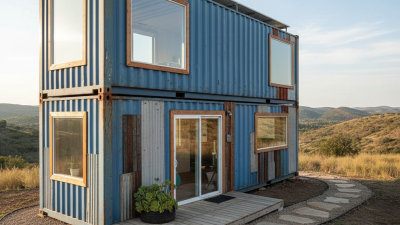
The design of container homes is also noteworthy. While they can be customized, the standard layout may not fit everyone's needs. Some people find the spaces too confined. Yet, the minimalist lifestyle appeals to others, encouraging a simpler way of living. Balancing comfort and practicality becomes crucial for those making this choice. Container camps provide an innovative solution for contemporary housing needs, but they still require careful consideration.
Sustainability Aspects of Using Shipping Containers for Shelters
The use of shipping containers for temporary housing is on the rise. This trend aligns well with sustainability goals. According to a report by the UN, approximately 1.6 billion people lack adequate housing globally. Container camps could be a part of the solution. They are made from recycled materials, reducing waste in landfills.
Shipping containers are durable and can withstand extreme weather. They also require less energy to repurpose into homes compared to traditional building methods. A study by the Global Ecocentric Housing Market revealed a 30% reduction in carbon emissions when using containers for shelters. However, there are challenges. Poor insulation can lead to uncomfortable living conditions.
Moreover, safety concerns exist. Modifying containers can introduce risks if not done properly. There's a need for careful planning and execution. These flaws highlight the importance of adapting designs to meet the needs of residents effectively. Balancing sustainability with practical usability remains a pressing issue as this trend continues to grow.
Why Are Container Camps Gaining Popularity in Modern Temporary Housing? - Sustainability Aspects of Using Shipping Containers for Shelters
| Feature |
Details |
| Sustainability |
Recycling of shipping containers reduces waste and promotes sustainable living. |
| Cost-Effective |
Lower costs compared to traditional building methods, allowing for affordable housing solutions. |
| Mobility |
Easily transportable, allowing for relocation as needed. |
| Customization |
Can be modified to suit various needs and aesthetics. |
| Speed of Construction |
Rapid setup compared to traditional building processes. |
| Durability |
Strong and robust, suitable for various climates. |
| Community Building |
Encourages the formation of communities through shared living spaces. |
Case Studies: Successful Implementation of Container Camps Globally
Container camps are becoming a popular solution for temporary housing worldwide. These camps utilize repurposed shipping containers, turning them into livable spaces. The transition from containers to homes is efficient and cost-effective. Many countries have adopted this model successfully.
In places like Europe and Australia, container camps provide shelter after natural disasters. These camps can be set up quickly, accommodating those in need. In regions with large refugee populations, container villages offer a stable environment. They can be customized for comfort, providing necessary amenities.
Tip: Consider local climate when planning a container camp. Insulation and ventilation are key.
However, the implementation of container camps is not without challenges. Critics point to the need for community integration. Simply placing containers does not guarantee safety or acceptance. Sustainable solutions require engaging local populations.
Tip: Always involve local stakeholders in planning. Their insight can improve the project significantly.
Some container camps lack basic services like sanitation. This raises questions about long-term viability. Future projects need to prioritize sustainable infrastructure alongside immediate housing needs.