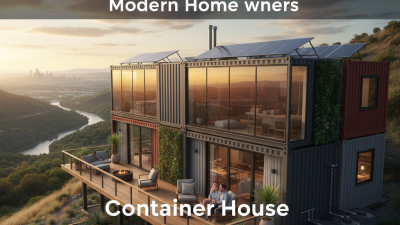
Top Container House Designs for Modern Living Solutions?
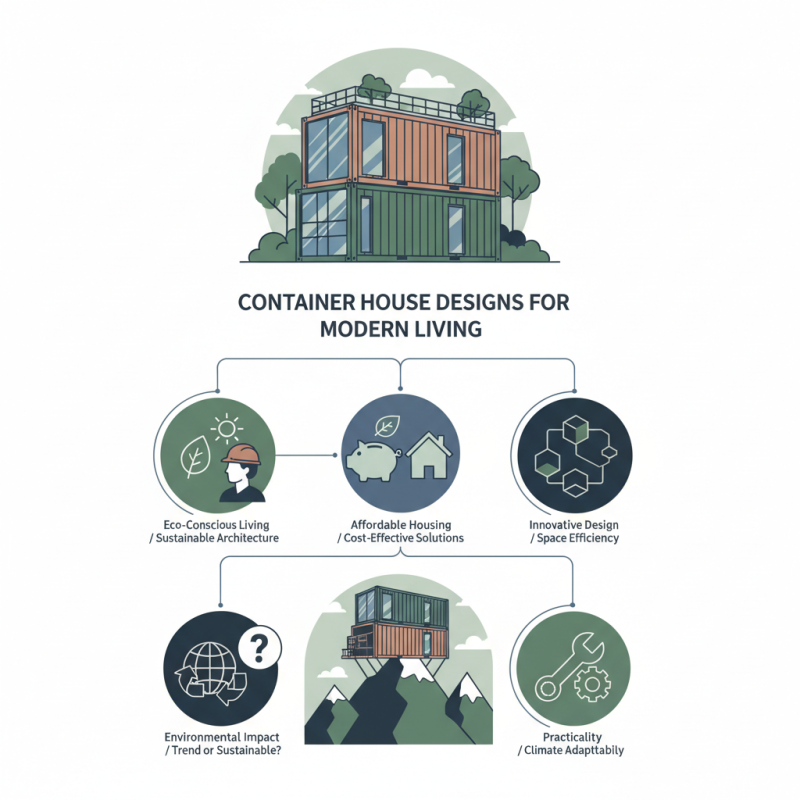
The concept of a Container House is revolutionizing modern living. Experts in sustainable architecture, like David Baker, emphasize, "Container Houses reflect a shift towards eco-conscious living." These structures provide affordable housing solutions while pushing boundaries of design.
Container Houses transform industrial materials into functional art. They offer unique aesthetics and efficient space utilization. For many, this design choice raises questions. Are they truly sustainable, or just a trend? As we explore top designs, we must reflect on their environmental impact.
While Container Houses can be innovative, challenges remain. Not all designs are practical or suitable for every climate. Each project invites scrutiny and learning. Are we ready to embrace the imperfections, or will we strive for flawless execution in this evolving industry?
Innovative Container House Designs for Sustainable Living
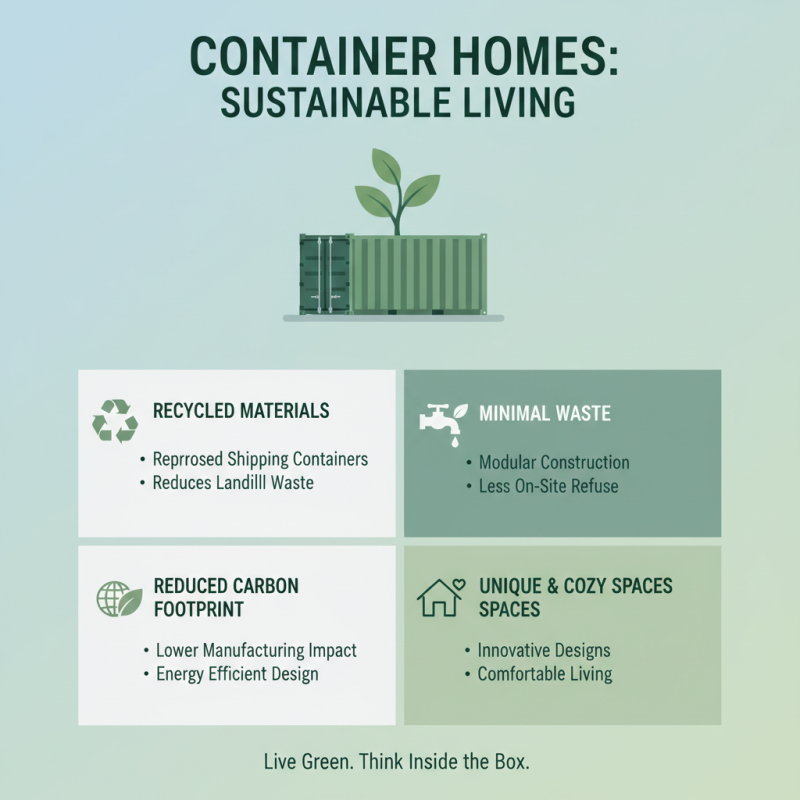
Container homes are becoming a popular choice for sustainable living. These innovative designs use recycled materials. They minimize waste and reduce the carbon footprint. Imagine living in a cozy space that was once a shipping container. The idea itself feels refreshing and unique.
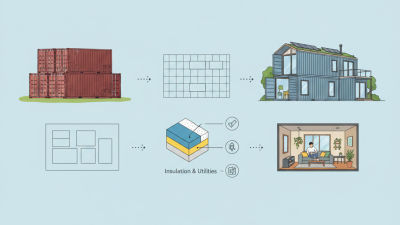
These homes can be customized in various ways. You can create airy interiors with large windows. Outdoor spaces can be integrated, bringing nature closer. However, challenges do exist. Insulation can be tricky in metal structures. Also, zoning laws might complicate installation.
Many are drawn to the minimalist lifestyle that container homes often provide. Yet, it requires careful planning and adjustments. Living with less can lead to greater happiness but also demands sacrifices. Embracing this lifestyle means addressing both the joys and challenges. It’s an ongoing journey toward sustainable living.
Functional Spaces: How Container Homes Optimize Limited Areas
Container homes are becoming popular for their innovative approach to living spaces. They offer flexible designs that adapt well to smaller plots of land. According to a recent report by the Container Housing Association, over 30% of new homeowners are considering container homes as a viable option.
These homes are not just cost-effective; they also optimize limited areas beautifully. With smart interior layouts, container houses utilize vertical space efficiently. Engineers suggest that these designs can increase usable square footage by 20% compared to traditional homes. Features like multi-functional furniture further enhance this efficiency.
However, challenges exist. Insulation in container homes can be tricky, leading to issues with climate control. Many homeowners report difficulties in managing temperature extremes. Additionally, plumbing and electrical systems need careful planning to avoid complications. Reflecting on these aspects, potential buyers must weigh the benefits against possible drawbacks.
Designing for Comfort: Interior Features of Modern Container Houses
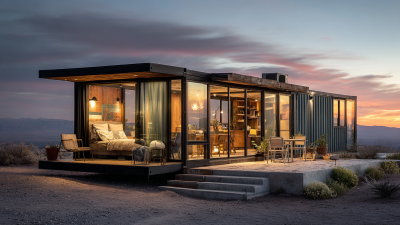
Container houses have become popular for modern living. These structures are not just eco-friendly; they can also provide exceptional comfort. The design choices often reflect practical needs and aesthetic desires. Open floor plans enhance the sense of space. Large windows invite natural light, creating an airy feel.
Interior features can transform container homes. Think about multifunctional furniture that saves space. Use of bright colors and textures adds warmth. Incorporating plants enhances the atmosphere. However, heating and cooling can be challenging. Insulation needs careful consideration to maintain comfort throughout seasons.
The kitchen might be compact but should feel inviting. It’s essential to strike a balance between aesthetics and function. A perfect design doesn’t exist; some aspects might not suit everyone. For instance, limited storage can be an issue. Reflection on these choices is essential for designing a truly comfortable living space.
Top Container House Designs for Modern Living Solutions
| Design Name |
Size (sq ft) |
Number of Bedrooms |
Interior Features |
Eco-friendly Features |
| Minimalist Retreat |
400 |
1 |
Open plan living, large windows, modular furniture |
Solar panels, rainwater harvesting |
| Family Comfort |
800 |
3 |
Lounge area, kitchen island, smart home tech |
Energy-efficient appliances, green roof |
| Sustainable Haven |
600 |
2 |
Cozy bedrooms, natural lighting, recycled materials |
Compost system, high insulation |
| Urban Oasis |
500 |
2 |
Patio deck, glass walls, multi-functional rooms |
Greywater recycling, sustainable landscaping |
Aesthetic Versatility: Exterior Styles of Container Homes
Container homes are redefining modern living. They offer aesthetic versatility that appeals to various tastes. The exterior styles can range from sleek modern to rustic charm, making this housing solution attractive to many. According to a recent industry report, the popularity of container homes has surged by over 30% in the last five years. This growth highlights the need for adaptable living spaces.
The material's natural industrial look can be enhanced with various finishes. Some homeowners choose eco-friendly paints, while others prefer wood cladding for a cozier feel. This customization can create a unique expression of style. Homeowners often struggle with insulation and ventilation, which are crucial for comfort. It is essential to consider these factors to ensure a truly livable space.
Architects suggest that the layout can also reflect personal aesthetics. Open concepts can promote a sense of spaciousness. However, some find this can lead to noise and a lack of privacy. Balancing design and functionality remains a challenge. Ultimately, container homes present a fascinating opportunity for innovation in modern architecture, but they require mindful planning and consideration of individual needs.
Top Container House Designs for Modern Living Solutions
Eco-Friendly Construction: Benefits of Using Shipping Containers
Shipping containers are becoming popular choices for eco-friendly homes. They offer a sustainable alternative to traditional building materials. Containers can be repurposed, reducing waste and the need for new resources. This approach saves energy and lowers carbon footprints.
Constructing with containers can pose challenges. They require careful planning and insulation to ensure comfort. Standard shipping containers are not designed for residential use. Modifications are often necessary, leading to increased costs. However, the payoff can be significant. Unique designs emerge, suited to individual lifestyles and preferences.
Creating an eco-friendly home with containers is rewarding. Innovative use of space can lead to stunning results. Large windows can bring in natural light. Green roofs can enhance energy efficiency. Even with imperfections in the building process, each project tells a story of creativity and resilience. Finding the balance between sustainability and practicality is a journey worth exploring.