Top 10 Container House Ready Designs for Modern Living Spaces
As the world embraces sustainable living and innovative architectural solutions,
Container House Ready designs have emerged as a popular trend in modern living spaces.
With the global population projected to reach 9.7 billion by 2050 according to the United Nations, innovative housing solutions are more necessary than ever.
Container houses, constructed from repurposed shipping containers, offer a unique balance of affordability,
efficiency, and sustainability. Research indicates that these homes utilize about 90% of their materials in an environmentally friendly manner,
significantly reducing waste and the carbon footprint associated with traditional construction.
Furthermore, the container home market is set to grow exponentially, estimated to reach $73.5 billion by 2027,
as more individuals seek flexible and eco-conscious living arrangements. The adaptability offered by Container House Ready designs allows them to cater to various lifestyles,
from compact urban apartments to spacious family homes, addressing both housing shortages and consumer demands for aesthetically pleasing yet practical environmentally friendly living spaces.
In light of these developments, we present the top 10 Container House Ready designs that exemplify modern aesthetics, versatility, and sustainability, providing a glimpse into the future of homebuilding.
Innovative Container Home Concepts for Minimalist Living
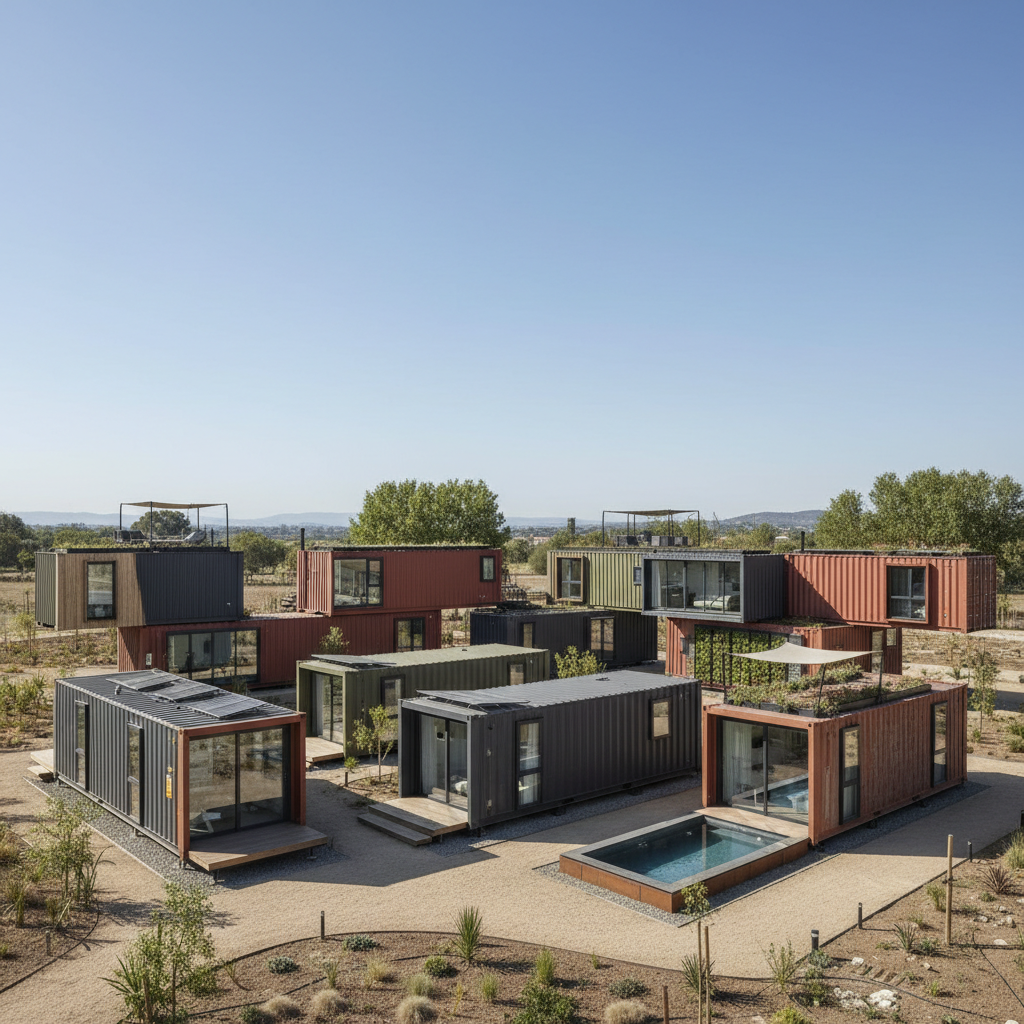
Container homes are at the forefront of innovative design concepts, embodying the essence of minimalist living while catering to the evolving demands of modern dwellers. As space and resources become increasingly limited, the trend of utilizing shipping containers for residential purposes has gained momentum. According to recent industry reports, the global market for container homes is anticipated to grow significantly, reflecting a rising interest in sustainable living solutions. Notably, the flexibility and modular nature of container architecture provide homeowners with the freedom to create functional and aesthetically pleasing spaces.
As societal values shift toward a more holistic approach to living, homes are transcending their traditional role as mere shelters. Today's dwellings are seen as extensions of individual identities—expressions of personal style and preferences. The design philosophy now prioritizes emotional and aesthetic connections, with an emphasis on creating environments that stimulate well-being. By integrating eco-friendly materials and innovative layouts, container homes are reimagined as not just spaces to reside but as sanctuaries that enhance the quality of life. Research indicates that regions embracing such housing solutions often report higher satisfaction levels among residents, highlighting the transformative impact of design on daily living experiences.
Top 10 Container House Designs for Modern Living Spaces
Sustainable Design Features in Container Houses
Container houses are rapidly gaining popularity, especially for their sustainable design features that align with contemporary environmental concerns. Utilizing repurposed shipping containers not only minimizes waste but also drastically reduces the carbon footprint associated with traditional construction methods. According to a report by the International Journal of Sustainability in Higher Education, the construction industry accounts for approximately 39% of global carbon emissions, underscoring the importance of alternative building practices. By choosing container homes, builders can lower emissions and contribute to a circular economy.
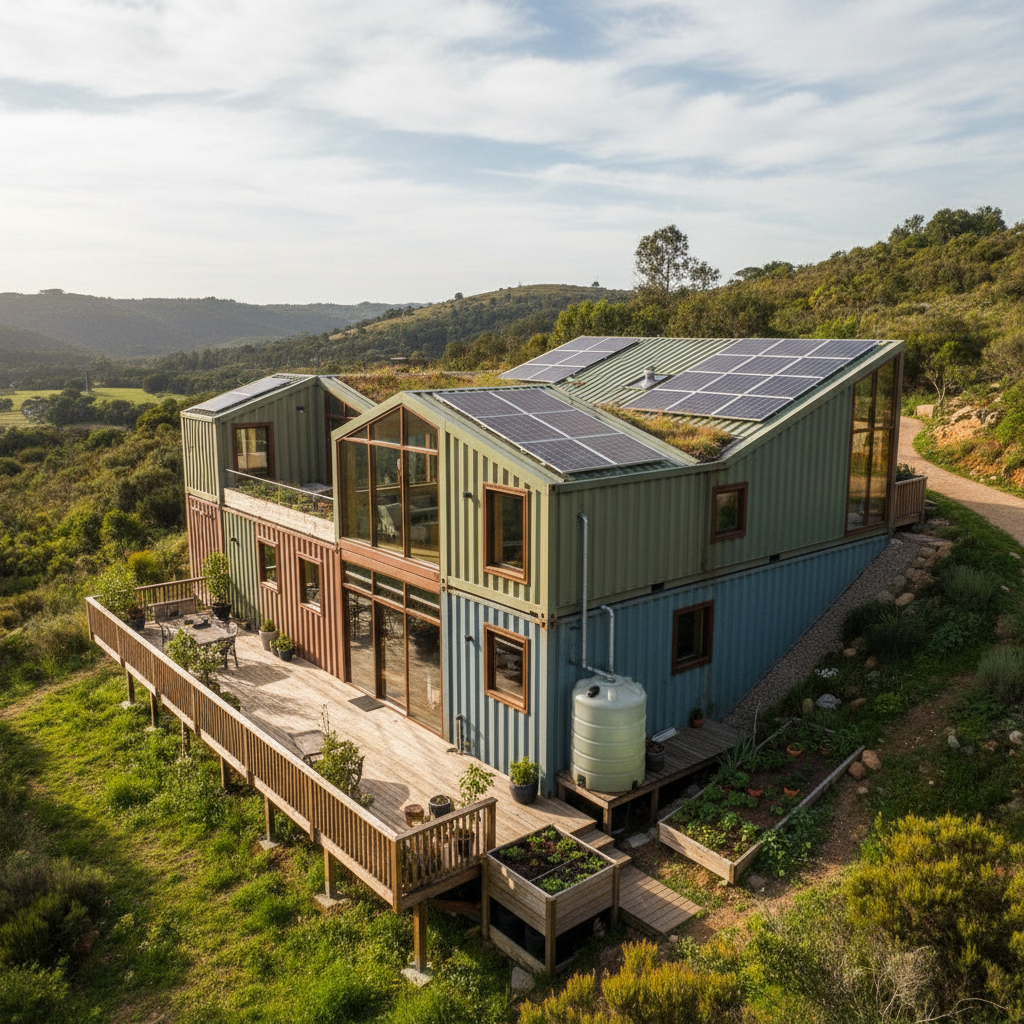
Moreover, container designs often incorporate energy-efficient technologies such as solar panels and rainwater harvesting systems. A study by the U.S. Department of Energy reveals that incorporating these features can reduce energy consumption by up to 50% compared to conventional homes. Additionally, container houses can be strategically oriented to maximize natural light and ventilation, further decreasing reliance on artificial heating and cooling. As consumers increasingly seek out eco-friendly living spaces, container homes present a viable solution that combines modern aesthetics with sustainability, offering a glimpse into the future of architecture.
Top 10 Container House Ready Designs for Modern Living Spaces - Sustainable Design Features in Container Houses
| Design Name |
Size (sq ft) |
Bedrooms |
Sustainable Features |
Price Range ($) |
| Eco Modular Container Home |
320 |
1 |
Solar Panels, Rainwater Harvesting |
25,000 - 35,000 |
| Luxury Container Retreat |
600 |
2 |
Green Roof, Energy Efficient Windows |
50,000 - 70,000 |
| Family Container Home |
480 |
3 |
Recycled Materials, High Insulation |
40,000 - 55,000 |
| Minimalist Container Studio |
250 |
1 |
Solar Heating, Composting Toilet |
20,000 - 30,000 |
| Modern Container Cabin |
750 |
2 |
Eco-Friendly Finishes, Passive Design |
60,000 - 80,000 |
| Container Lake House |
500 |
3 |
Wind Turbine, Greywater System |
45,000 - 65,000 |
| Urban Container Loft |
550 |
1 |
Smart Home Features, Natural Ventilation |
35,000 - 50,000 |
| Double Deck Container Villa |
1200 |
4 |
Hybrid Energy System, Sustainable Landscaping |
80,000 - 100,000 |
| Charming Container Bungalow |
400 |
2 |
Local Materials, Energy-Efficient Design |
30,000 - 45,000 |
| Container Beach House |
650 |
3 |
Sustainable Materials, Water-Efficient Fixtures |
55,000 - 75,000 |
Maximizing Space: Smart Layouts for Container Living
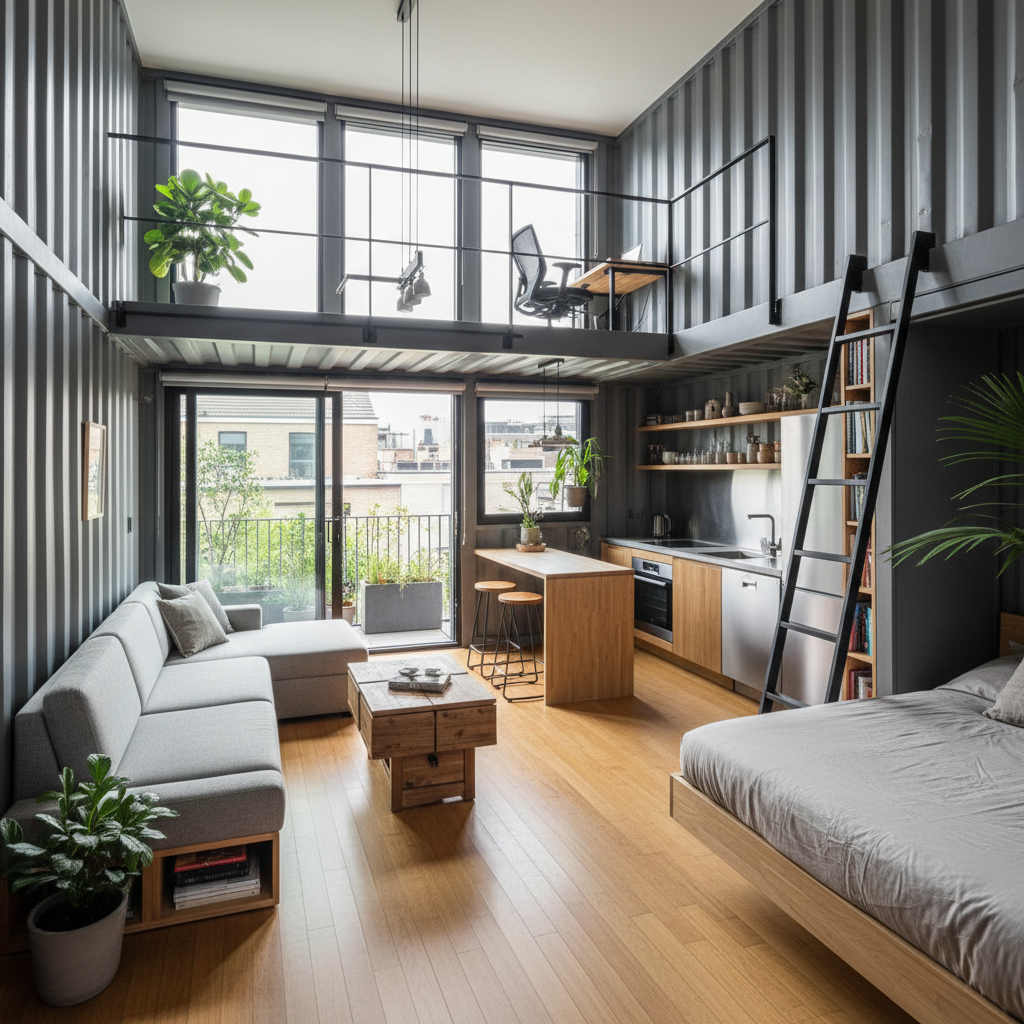
In the quest for innovative living solutions, container houses have emerged as a remarkable trend, particularly for those looking to maximize space in modern environments. The unique structural design of container homes inherently lends itself to efficient layouts that can accommodate various lifestyles. By utilizing multi-functional furniture and open-plan living concepts, these spaces create an illusion of expansiveness while providing every essential amenity.
Smart layouts play a crucial role in optimizing the use of space within container houses. For instance, incorporating built-in storage solutions not only declutters the living area but also enhances functionality. Additionally, utilizing vertical space—such as wall-mounted shelves and lofted sleeping areas—can significantly increase usable square footage, making even the smallest container feel spacious and inviting. These design strategies not only solve space constraints but also foster a sense of practicality and comfort suitable for contemporary living.
Aesthetic Inspirations: Modern Container House Exteriors
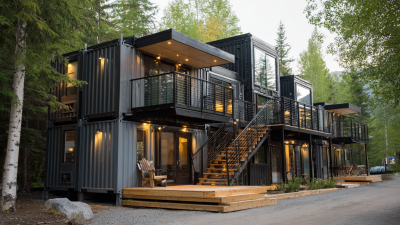
When it comes to modern container house exteriors, aesthetics play a vital role in creating a unique and inviting space. The latest trends showcase a bold shift toward darker home exteriors that not only add sophistication but also allow for a striking visual statement. By opting for darker palettes, container houses can exude a contemporary charm that pairs well with their industrial roots, transforming the perception of what a home can be. This daring choice enhances the mood and character of the living environment, making it stand out in urban settings as well as tranquil landscapes.
In addition to bold colors, the influence of Mediterranean design is also being reflected in container homes. The relaxed, vacation-like vibe of Mediterranean-style architecture offers a pleasing contrast to the minimalist aesthetic often associated with container living. Incorporating elements such as arched windows, terracotta tiles, and lush landscaping into container house designs not only enriches their visual appeal but also promotes a sense of warmth and hospitality. This fusion of styles creates an inviting haven that inspires creativity while maintaining a functional and stylish living space.
Eco-Friendly Container Home Innovations for Sustainable Living
As the world increasingly prioritizes sustainable living, eco-friendly container homes are gaining traction for their innovative designs and minimal environmental impact. According to a recent report by Grand View Research, the global green building market size is expected to reach $364.6 billion by 2022, highlighting the growing demand for sustainable housing solutions. Shipping container homes not only reduce waste by repurposing materials, but they also offer energy-efficient features, including better insulation and the option to incorporate solar panels, which can significantly decrease utility costs.
One notable innovation in container home design is the use of modular systems, which allows for easy customization and scalability. The Modular Building Institute states that modular construction can reduce waste by up to 90% compared to traditional building methods. Furthermore, container homes can be designed to blend seamlessly into various environments, from urban settings to rural landscapes, making sustainable living more accessible. By embracing these eco-friendly container home innovations, individuals can contribute to a more sustainable future while enjoying modern living spaces that reflect their values.