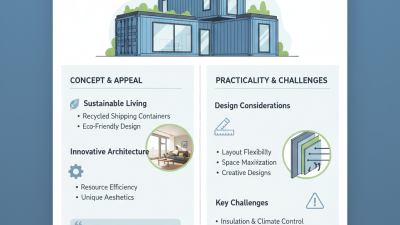
Why is Container House Ready the Best Choice for Sustainable Living?
The push for sustainable living has never been more urgent. According to a report by the Global Alliance for Buildings and Construction, the building sector accounts for nearly 40% of global energy-related carbon emissions. Amid this crisis, "Container House Ready" offers a compelling solution. This innovative housing model uses repurposed shipping containers, significantly reducing waste and energy consumption in construction.
Mark Thompson, a leading expert in sustainable architecture, emphasizes, "Container houses are not just eco-friendly; they're a smarter way to live.” With their durable structure and efficient design, these homes provide a practical answer to the housing shortage. Data from the Container Housing Association indicates that adopting container homes can lower construction costs by up to 30%.
However, it is crucial to examine the potential downsides. Container homes may face zoning challenges or initial adaptation barriers. Not all regions embrace this trend yet. Thus, while "Container House Ready" showcases promise, communities must work together to address these issues for broader acceptance. Balancing innovation with practicality defines the future of sustainable living.
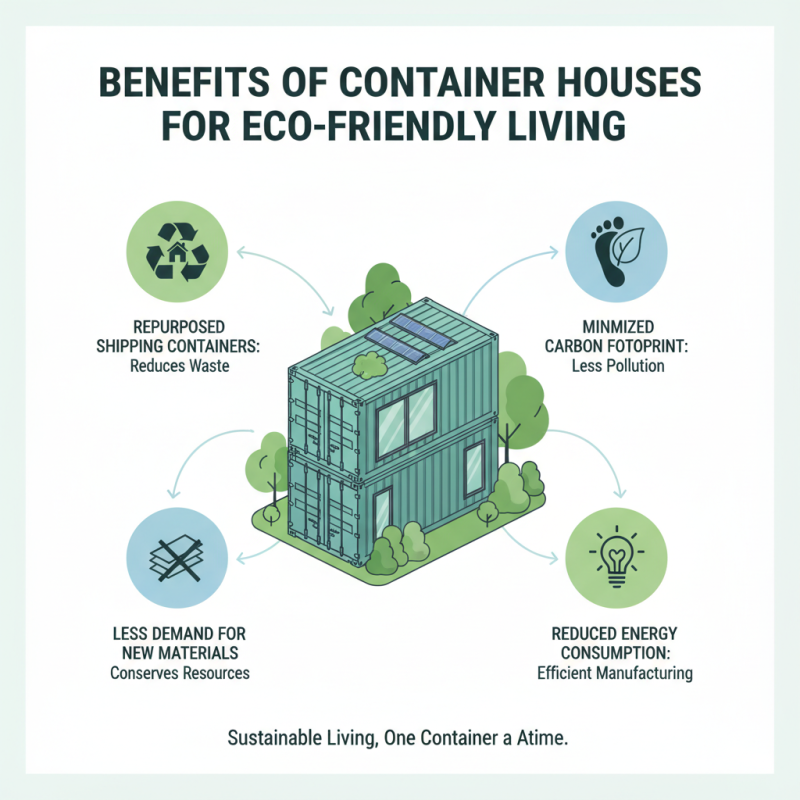
Benefits of Container Houses for Eco-Friendly Living
Container houses have emerged as a compelling solution for eco-friendly living. They utilize repurposed shipping containers, which significantly reduces waste. This method of construction minimizes the carbon footprint. It also diminishes the demand for new materials. As a result, less energy is consumed during manufacturing.
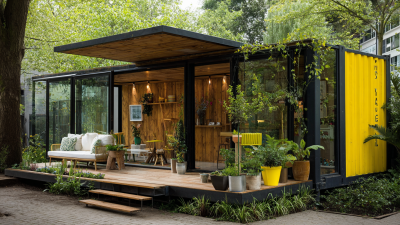
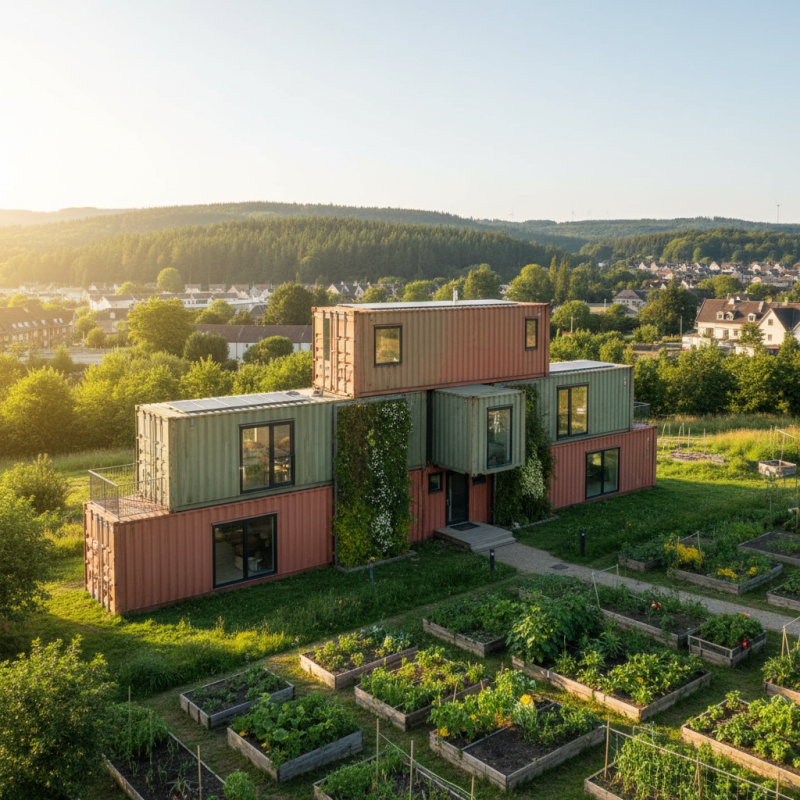
Sustainability in container houses doesn't stop at materials. They can be designed for energy efficiency. Solar panels may be added to harness renewable energy. Gardens can be created on the roof. This shows how small spaces can contribute to biodiversity. While they provide unique aesthetics, challenges do exist. Insulation and climate control require careful planning.
Choosing container houses means embracing innovation. They offer flexibility in design and layout. However, finding the right location for a container home can be tricky. Zoning laws might complicate things. Potential buyers should research regulations thoroughly. This practice ensures a smoother experience and promotes sustainable living.
Innovative Design and Space Efficiency in Container Homes
Container homes stand out for their innovative design and space efficiency. The use of shipping containers allows for unique layouts and versatile living spaces. Each unit can be customized to meet individual needs, maximizing both comfort and functionality. This modular approach caters to various lifestyles. Families can reshape spaces easily to adapt to changing circumstances.
Space efficiency is a critical factor in sustainable living. Container homes utilize fewer resources than traditional houses. They often require less energy for heating and cooling. However, the challenge can lie in proper insulation. Some designs may overlook effective thermal performance, leading to uncomfortable living conditions. Reflecting on such intricacies is vital for future improvements.
Moreover, many people underestimate the aesthetic potential of container homes. The industrial appearance may not appeal to everyone initially. Yet, with thoughtful landscaping and interior design, these homes can become truly inviting. Focusing on details can make a significant difference in overall livability. Embracing both the strengths and weaknesses of container housing encourages innovation and enhances the sustainable living journey.
Cost-Effectiveness of Container House Construction
Container houses are gaining traction as a viable option for sustainable living. Their construction can significantly reduce costs compared to traditional homes. Prefab designs allow for quicker assembly and lower labor costs. This efficiency saves both time and money.
Using repurposed shipping containers reduces material waste. In many cases, reusing materials minimizes the environmental impact of construction. The initial investment remains relatively low, making container homes accessible for more people. However, there are challenges. Insulating and finishing these homes can be more complex than expected. Insufficient planning may lead to budget overruns.
When seeking cost-effective solutions, container houses present unique opportunities. They offer flexibility in design and use. However, builders must be cautious with zoning laws and local regulations. A thorough understanding of these factors can guide better decision-making. Though affordable, the long-term investment requires careful consideration.
Durability and Sustainability of Shipping Containers
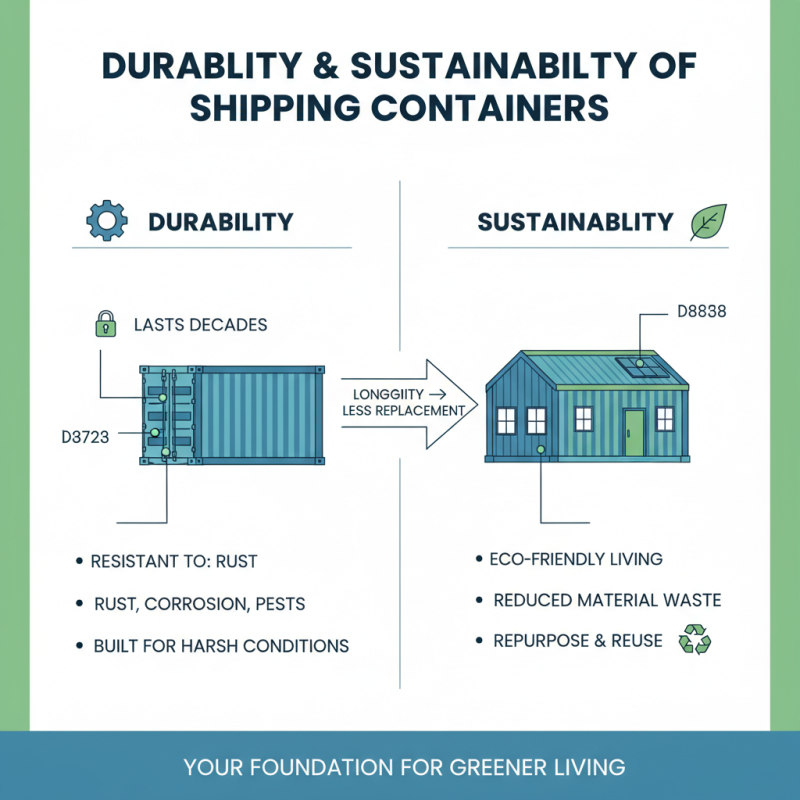
Shipping containers are becoming a popular choice for sustainable living. Their durability is one of the key reasons behind this trend. Built to withstand harsh conditions, these containers can last for decades. They are resistant to rust, corrosion, and pests. This longevity means fewer materials are needed for replacement over time.
Sustainability goes hand in hand with their reuse. Transforming shipping containers into homes reduces waste. Instead of ending up in landfills, they are repurposed for housing. The energy invested in manufacturing a new home is significant. By using containers, we lower our overall carbon footprint. However, some may argue that insulation and finishing may compromise their eco-friendliness.
Challenges do arise when using shipping containers. Proper insulation is essential to maintaining comfort and energy efficiency. Without it, indoor temperatures can fluctuate dramatically. Addressing these issues requires careful planning and expertise. It’s important to ensure designs meet both aesthetic and functional needs. The appeal of container homes lies in their flexibility and resilience, though they require thoughtful execution.
Community Impact and Off-Grid Living with Container Homes
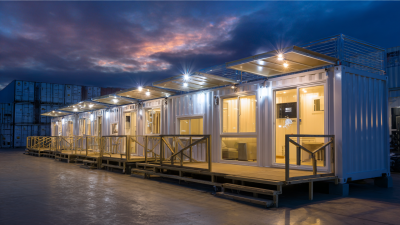
Container homes are increasingly popular for those interested in off-grid living. They offer a unique opportunity for sustainable living while fostering community. Many choose to build these homes in clusters, creating social connections. Residents often share resources, skills, and support each other in this lifestyle.
The impact on the community is profound. Container homes use recycled materials, reducing waste. By adopting this lifestyle, people often participate in local initiatives, like community gardens or clean-up efforts. Together, they focus on sustainability, creating a sense of purpose. Living off-grid can be challenging. Residents face obstacles, such as maintaining energy supplies or managing waste. These challenges foster creativity and problem-solving skills.
Building a community with container homes demands patience and collaboration. Everyone has a role to play. Each member contributes unique talents. Some thrive in managing resources; others excel in construction. While not without difficulties, such as limited space or harsh weather, these homes symbolize hope for a greener future. Living sustainably is a continuous journey. Embracing it leads to a stronger community, driven by shared values and environmental responsibility.