What is Creative Container Homes and How to Build One?
Creative Container Homes have emerged as a unique solution in the housing market. These homes are made from repurposed shipping containers. They blend eco-friendliness with modern design.
Building a Creative Container Home can be rewarding, but it is not without challenges. The process requires careful planning and consideration. Factors like insulation and layout are crucial. Each design choice impacts functionality and comfort.
While the idea is innovative, it's important to reflect on potential drawbacks. Limited space can be a concern. Design creativity may be stifled by structural constraints. Balancing aesthetics with practicality is essential for success.
What Are Creative Container Homes?
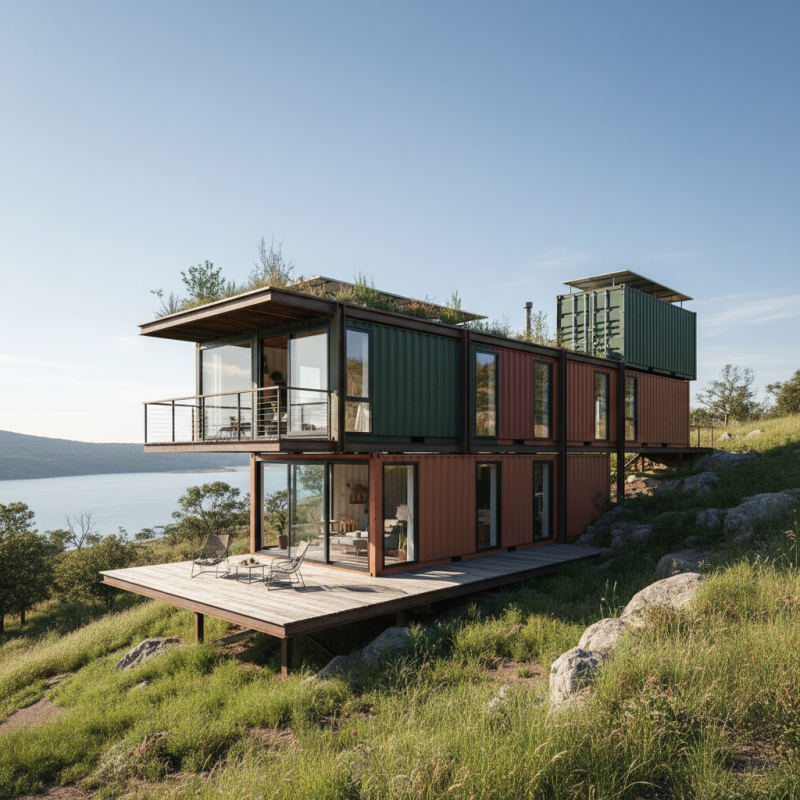
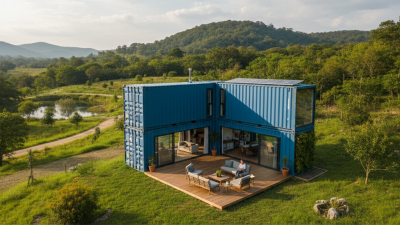
Creative container homes are an innovative solution to modern housing challenges. These homes repurpose shipping containers into livable spaces. They offer unique designs, sustainability, and cost-efficiency. Often, they are modular, allowing for expansion or modification over time. The flexible layout makes them suitable for various lifestyles.
Building a creative container home requires careful planning. Considerations include insulation, windows, and plumbing. Containers need modifications to be comfortable and functional. It's essential to ensure proper ventilation and natural light. Design must balance aesthetics and practicality. Don't rush this process; it may take time to get everything right.
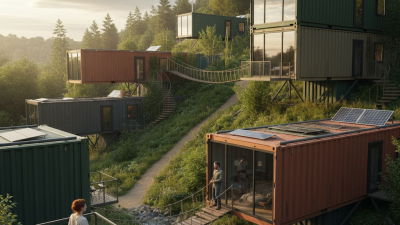
Moreover, while container homes have many benefits, they have some drawbacks. Structural challenges can arise, especially with stacking containers. Local regulations may pose restrictions. Finding the right location is crucial. The land's suitability can impact the overall project. Overall, creative container homes offer an exciting way to rethink living spaces.
Benefits of Living in Container Homes
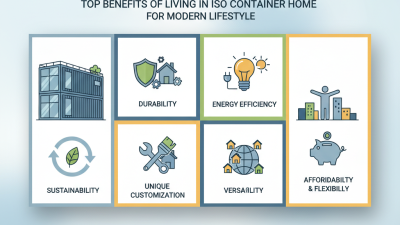
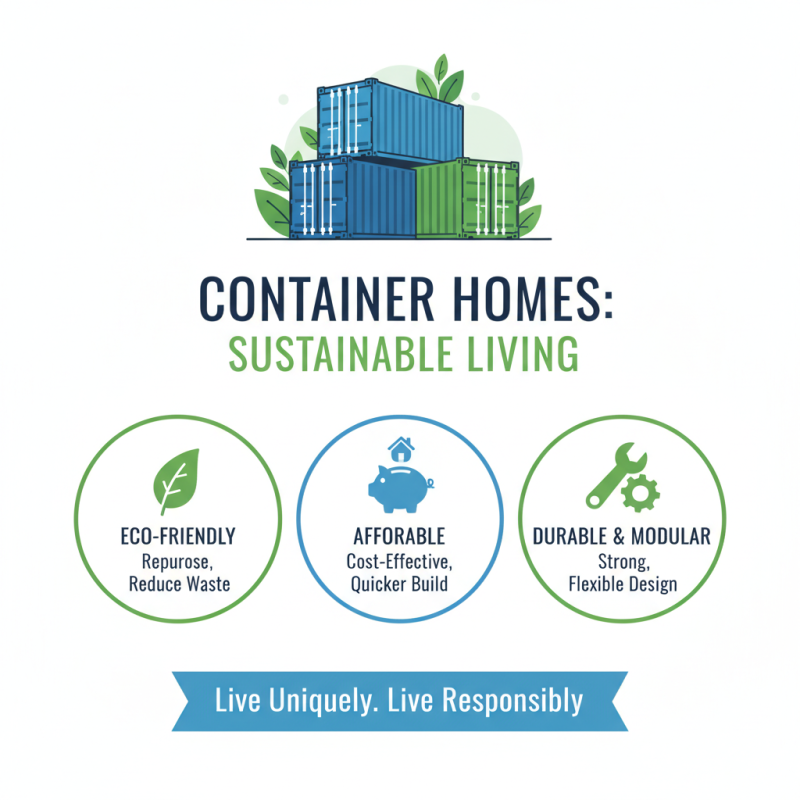
Container homes are gaining popularity as a unique and sustainable housing option. They offer several benefits that can significantly improve your living experience. For starters, container homes are eco-friendly. They repurpose shipping containers, reducing waste and promoting recycling. This adds a sense of environmental responsibility to your lifestyle.
Another advantage is affordability. Building a container home can save you money compared to traditional housing. The materials are often cheaper, and construction time can be shorter. However, costs can creep up if you opt for custom designs or high-end finishes. It’s essential to budget carefully and prioritize what you truly need in your new space.
When considering a container home, think about insulation. Depending on your location, proper insulation is crucial. A poorly insulated home can lead to higher energy bills. Regular maintenance is required, too. Rust and wear can become issues over time. Be prepared for challenges, and reflect on how you can adapt your design to fit your lifestyle.
Tips: Research local regulations on container homes. Some areas have restrictions that might surprise you. Consider your layout carefully to maximize space. Finally, connect with others in the community. Their insights can help you avoid common pitfalls and enhance your project.
Essential Considerations for Container Home Construction
Building a container home can be an exciting project. However, several essential considerations must be taken into account. Research shows that about 80% of container homes require modifications to be livable. Factors like insulation, ventilation, and structural integrity are crucial. Without proper insulation, the interior can become uncomfortably hot or cold.
Planning your layout is vital. Many people underestimate the space needed for storage and movement. The typical shipping container is 20 or 40 feet long, but it can feel cramped without proper design. Additionally, industrial data indicates that 60% of container homeowners faced challenges with plumbing and electrical installations. Ensuring these systems are effectively integrated demands professional input.
Environmental factors also play a significant role. The USDA reports that building materials must withstand local weather conditions. Coastal areas, for instance, may require rust-resistant materials. Neglecting this aspect can lead to costly repairs. Therefore, a thorough site assessment is beneficial, though often overlooked. Embracing these challenges helps in creating a functional and comfortable living space.
Container Home Construction: Key Considerations
Step-by-Step Guide to Building Your Own Container Home
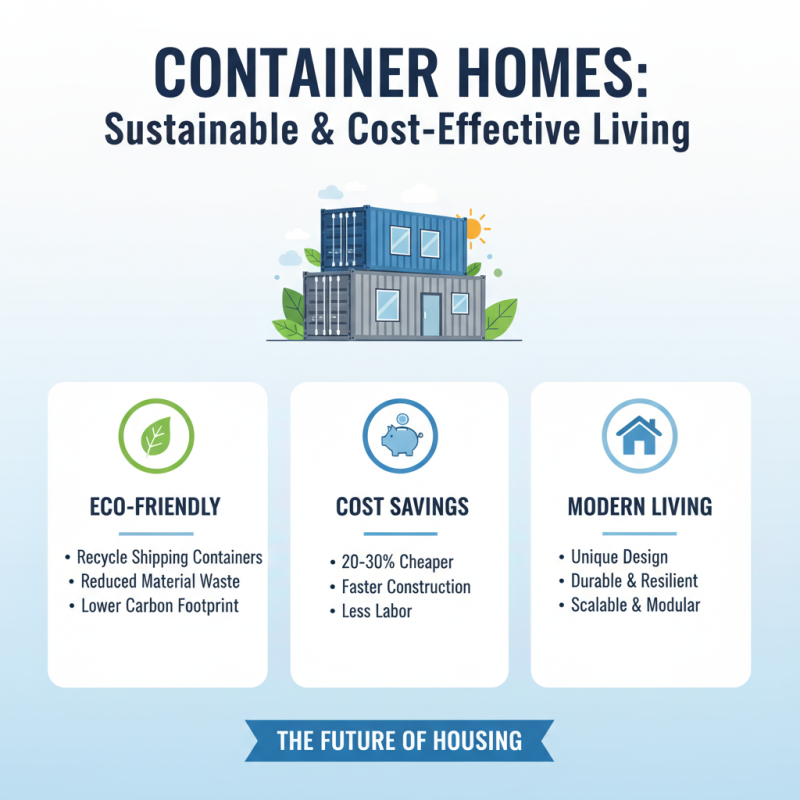
Building a container home is a unique and sustainable option for housing. This trend has gained momentum, especially in the last few years. Reports indicate that construction with shipping containers can cut costs by 20-30% compared to traditional building materials. With a growing focus on eco-friendly living, this may appeal to many buyers.
To begin your project, it's essential to plan carefully. Start by selecting the right containers. Standard sizes are usually 20 or 40 feet long. Check for any damage, rust, or structural issues. Explore local zoning laws as they can affect your plans. Many regions have specific requirements for residential structures.
Once you have your containers, you’ll want to prepare the site. Level the ground and lay a solid foundation. Not all soil types are suitable, so research is critical. Insulation is another vital aspect that's often overlooked. Proper insulation will keep your home comfortable year-round. Remember that container homes can be challenging to insulate due to their metal structure. Finding the right balance between aesthetic and functionality is key. Regular maintenance is also necessary to prevent rust and ensure longevity. These challenges require thought and may lead to adjustments during the building process.
Design Ideas and Inspirations for Container Home Interiors
Designing the interior of a container home offers endless possibilities. The use of recycled shipping containers is growing, with an estimated 10% annual increase in popularity. This trend reflects a larger movement towards sustainable living. However, designing these spaces can be tricky. Many container interiors suffer from a lack of natural light and adequate insulation. Thoughtful design can turn these challenges into opportunities.
Consider employing large windows and open spaces to create an airy feel. Using light colors can also enhance brightness in smaller rooms. Data from the National Association of Home Builders suggests that incorporating multifunctional furniture can maximize limited space, making it more practical for everyday living. For instance, a fold-out table can serve as a dining area and work desk.
Yet, achieving a cozy atmosphere is often challenging. Many container homes feel cold and sterile. Adding natural elements, like wood or plants, can soften the industrial look. It's crucial to balance aesthetics with functionality. Reflecting on the unique needs of the inhabitants is key in creating a comfortable space. Each design choice should prioritize both comfort and sustainability for a truly successful container home.
What is Creative Container Homes and How to Build One? - Design Ideas and Inspirations for Container Home Interiors
| Design Element |
Description |
Inspiration |
| Open Floor Plan |
Maximizes the use of space by combining living, dining, and kitchen areas. |
Loft-style container homes that enhance flow and interaction. |
| Large Windows |
Allows natural light to flood into the space, creating a bright and airy environment. |
Container homes with floor-to-ceiling windows overlooking nature. |
| Sustainable Materials |
Utilizes eco-friendly materials for insulation, flooring, and furnishings. |
Containers surrounded by green roofs and natural landscaping. |
| Modular Designs |
Incorporates multiple containers for distinct functional areas. |
Stacked containers creating unique vertical spaces. |
| Color Schemes |
Utilizes vibrant color palettes or subdued tones to create ambience. |
Pastel colors giving a cozy feel contrasted with bold accents. |
| Outdoor Spaces |
Creates functional outdoor areas such as decks or patios. |
Container homes with wrap-around decks for entertaining. |