How to Use Temporary Classrooms Effectively for Learning?
Temporary classrooms are increasingly being utilized to support learning in various educational settings. According to Dr. Linda Hart, an expert in educational psychology, "The environment plays a crucial role in how students engage and learn." This highlights the importance of how we utilize temporary classrooms effectively.
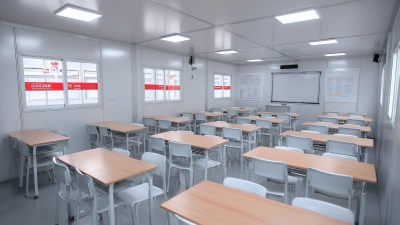
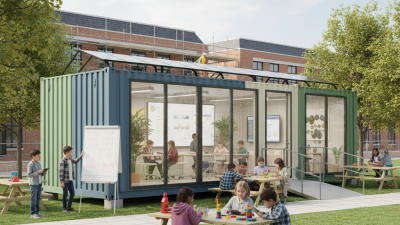
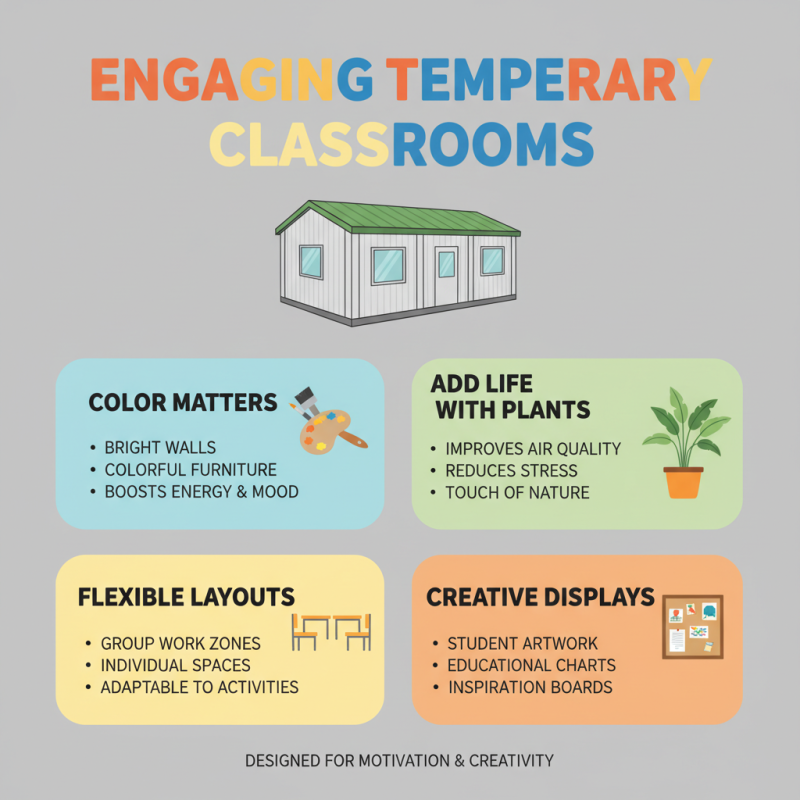
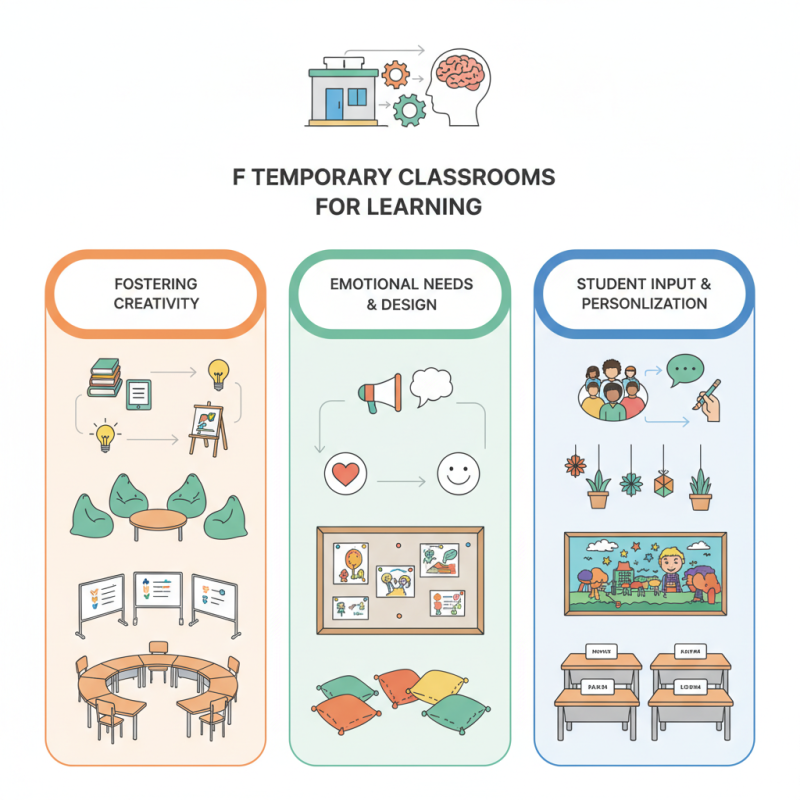
These classrooms often lack the resources of traditional spaces. Many schools face challenges like limited materials or inadequate technology. However, these temporary setups can foster creativity. The flexibility of layout allows teachers to innovate, adapting the space to their teaching methods. Effective organization can turn any temporary classroom into an engaging learning hub.
Yet, there's a risk of overlooking the emotional needs of students. A bare or uninspiring environment can affect morale. Therefore, it's essential to reflect on how we design these spaces. Using student input can enhance the classroom atmosphere. Simple decorations or personalized elements can make a significant difference. Embracing this feedback can turn temporary classrooms into vibrant places of learning.
Understanding the Importance of Temporary Classrooms in Education
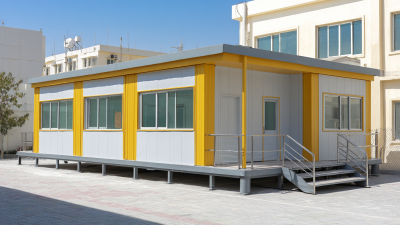
Temporary classrooms play a crucial role in modern education. They provide immediate solutions during school renovations or sudden influxes of students. With flexible designs, these spaces can adapt to various learning styles. However, they often lack permanent resources. This gap can create challenges for teachers and students.
Utilizing these classrooms effectively requires careful planning. Teachers should prioritize interactive activities to engage students. Group projects and hands-on experiences thrive in such settings. However, limited storage can hinder long-term projects. It's essential to strike a balance between dynamic learning and available supplies.
The importance of temporary classrooms lies in their adaptability. They reflect how education can respond to changing needs. However, reliance on these spaces can lead to feelings of instability. Students may find it hard to focus in a less permanent environment. This highlights the need for ongoing reflection on how to improve such temporary educational setups.
Implementing Effective Teaching Strategies in Temporary Classrooms
Creating an engaging learning environment in temporary classrooms requires intentional strategies. First, focus on clear structure and organization. Use visual aids to define areas for specific activities. Small groups can help manage diverse learning needs. Ensure students know their roles within these groups. This promotes collaboration and a sense of belonging.
Incorporating hands-on activities can boost participation. For example, using arts and crafts allows students to express themselves. However, it’s essential to manage the noise level. Distractions can hinder learning when using creative methods. Reflect regularly on how these activities impact student focus and engagement. Adjustments may be necessary to find the right balance.
Additionally, build a routine that includes movement breaks. This is vital in a confined space. Students may feel restless, especially in temporary settings. Short, structured breaks refresh minds and improve concentration. Yet, be aware that not every student responds well to the same routines. Experiment with different strategies and be open to feedback. Continuous adaptation is key to supporting effective learning in temporary classrooms.
Utilizing Technology and Resources in Temporary Educational Spaces
Temporary classrooms can provide unique opportunities for learning when utilized effectively. To maximize these spaces, integrating technology is key. For instance, using portable digital boards can enhance visual learning and engage students. These boards serve as interactive tools, allowing teachers to present lessons dynamically. However, not all teachers are equipped to use such technology effectively, leading to a gap in learning experiences.
Additionally, leveraging online resources can foster collaboration among students. Tools like educational apps and cloud storage facilitate group projects and communication. Students can work together, even when not physically present. However, a challenge arises when students lack access to devices or stable internet connections. This disparity can hinder the experience for some.
Creating a resource-rich environment is essential, but not without its difficulties. Organizing materials in a limited space can be daunting. For instance, ensuring that all students can access texts or hands-on materials might require extra planning. It’s important to reflect on how these limitations affect engagement and understanding, as addressing them can lead to greater advantages in temporary educational settings.
Assessing Student Feedback and Learning Outcomes in Temporary Classrooms
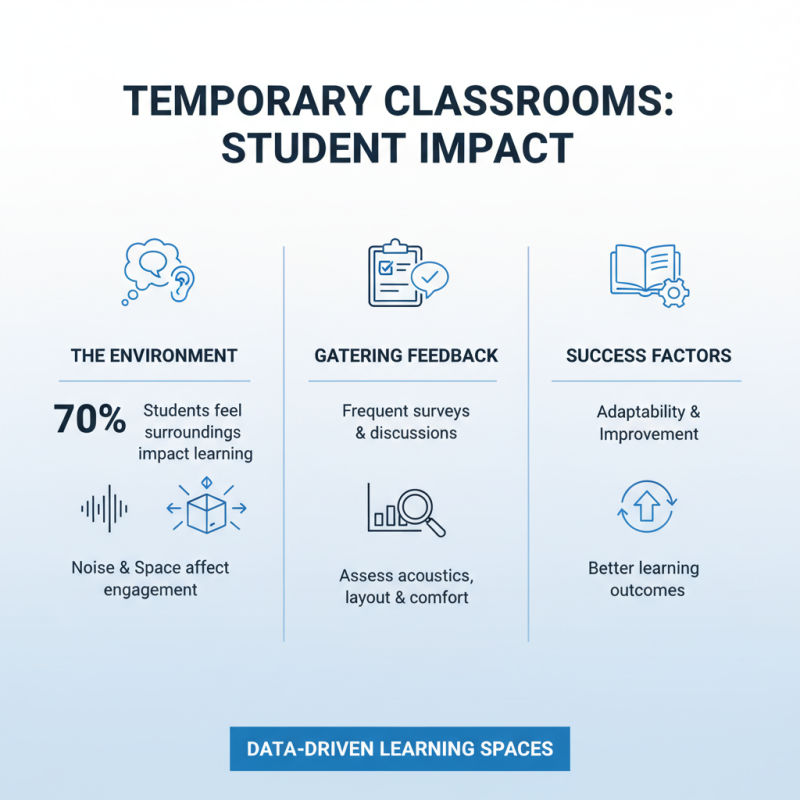
Temporary classrooms can be effective learning environments, but their success heavily relies on understanding student feedback and learning outcomes. Research indicates that nearly 70% of students feel their learning is impacted by their surroundings. In temporary setups, factors like noise and space can affect engagement. Schools should gather feedback frequently to assess these elements.
Student surveys are essential. Collect data on comfort, distractions, and overall experience. A recent study found that feedback leads to improved classroom design and learning outcomes. When students voice their concerns, schools can make adjustments that reflect their needs.
**Tip:** Create an anonymous feedback system. This encourages honest responses.
Regular evaluations should measure academic performance. A report by the Education Department shows that students in well-equipped temporary classrooms perform only 15% lower than their peers. However, without continuous assessment, it’s hard to identify gaps. Faculty should analyze test scores and participation rates closely.
**Tip:** Host focus groups to engage students. Their input can provide valuable insights.
Meeting the needs of students in temporary classrooms is a continual process. Schools must adapt swiftly based on input and outcomes. It’s not just about a physical space; it’s about creating an optimal learning experience.