How to Effectively Use Temporary Classrooms for Modern Learning Spaces
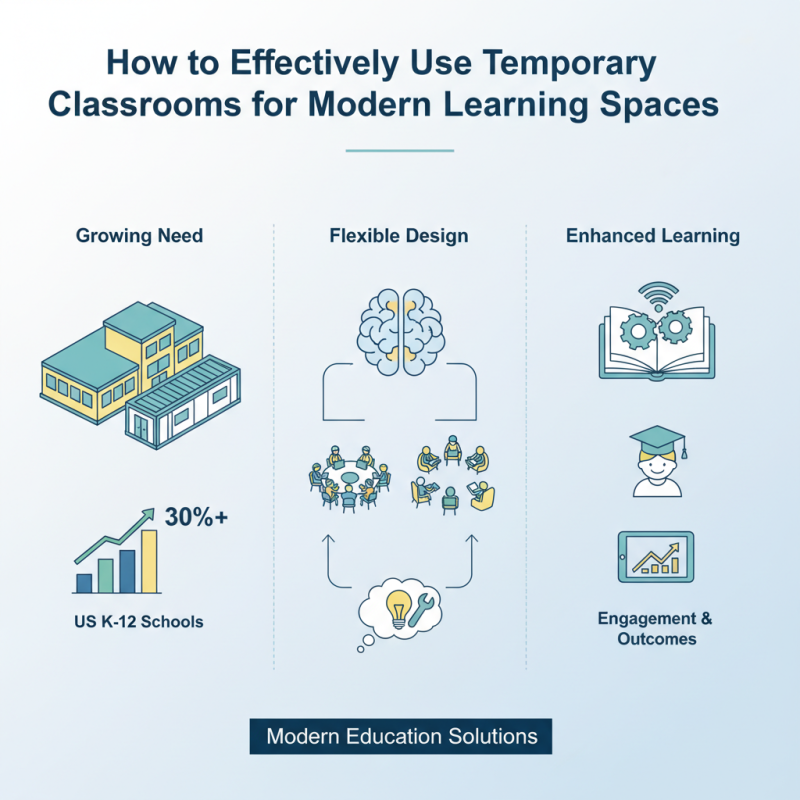
In the evolving landscape of education, the integration of Temporary Classrooms has become a pivotal strategy for schools aiming to create flexible learning environments. According to a report by the National Institute of Education, over 30% of K-12 schools in the U.S. are utilizing temporary structures to accommodate growing student populations and evolving educational needs. These temporary solutions not only address space constraints but also align with modern pedagogical approaches that prioritize collaborative and interactive learning experiences.
As noted by Dr. Sarah McKinney, a leading expert in educational infrastructure, "Temporary Classrooms can be transformative, offering unique opportunities to rethink how space is utilized for learning." With their versatility, these classrooms can be quickly deployed and adapted to serve diverse educational activities, making them an ideal choice for districts facing urgent capacity challenges. The potential benefits extend beyond mere space, fostering a dynamic and engaging atmosphere where students can thrive.
Furthermore, research indicates that when used effectively, Temporary Classrooms can enhance student engagement and learning outcomes. By incorporating technology and flexible configurations, these spaces can be tailored to meet the specific needs of various subjects and teaching styles. As education continues to evolve, embracing Temporary Classrooms may well be the key to ensuring that all students have access to modern, effective learning environments.
Understanding Temporary Classrooms in Modern Education
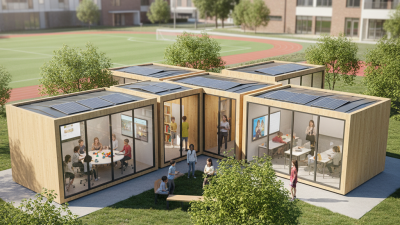
Temporary classrooms are increasingly recognized as valuable assets in modern education, providing flexibility and adaptability to evolving pedagogical needs. These temporary spaces can be used to address immediate space shortages in traditional school settings or respond quickly to changes in student populations. Their deployment allows educational institutions to experiment with different learning environments, catering to various teaching methods and learning styles.
Incorporating innovative designs and technologies, temporary classrooms can foster collaboration and engagement among students. They can be equipped with modular furniture, interactive learning tools, and flexible layouts, facilitating both individual study and group work. Additionally, these classrooms can serve as venues for specialized programs, such as arts, sciences, or technology, enhancing the overall educational experience. By rethinking the purpose and configuration of temporary classrooms, schools can create dynamic learning spaces that support creativity, critical thinking, and real-world application of knowledge.
Design Principles for Functional Temporary Learning Environments
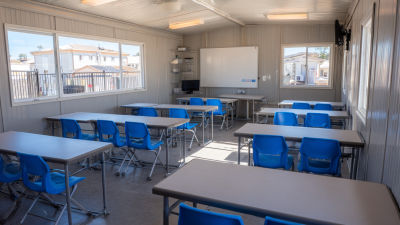
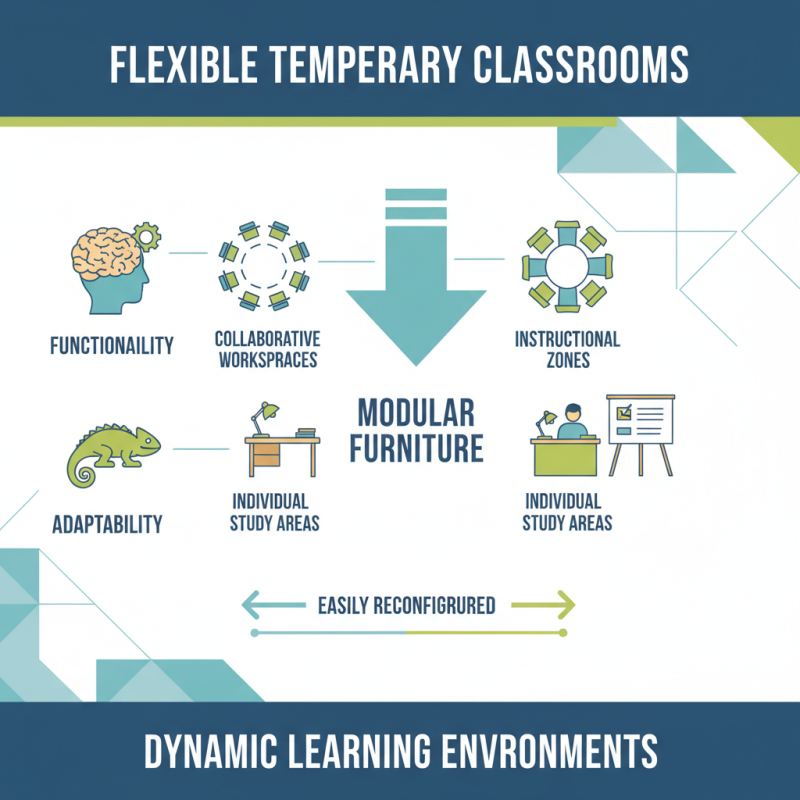
Designing effective temporary classrooms requires a keen understanding of the principles that promote functionality and adaptability in modern learning environments. One fundamental principle is flexibility, allowing spaces to be easily reconfigured to accommodate various teaching methods and group sizes. The design should include modular furniture that can be rearranged to create collaborative workspaces, individual study areas, or instructional zones, catering to different learning activities. This adaptability ensures that educators can respond dynamically to the needs of their students, facilitating a more engaging learning experience.
Another important aspect of designing temporary learning environments is the incorporation of natural light and ventilation. Ample daylight not only enhances the ambience but also has been shown to improve concentration and mood among learners. Large windows or strategically placed skylights should be considered, alongside adequate ventilation systems to ensure a comfortable atmosphere. Utilizing bright colors and stimulating visuals in the design can further create an inviting and inspiring space, encouraging creativity and collaboration among students. By focusing on these design principles, educators can maximize the potential of temporary classrooms and foster a productive and innovative learning atmosphere.
Integrating Technology in Temporary Classroom Setups
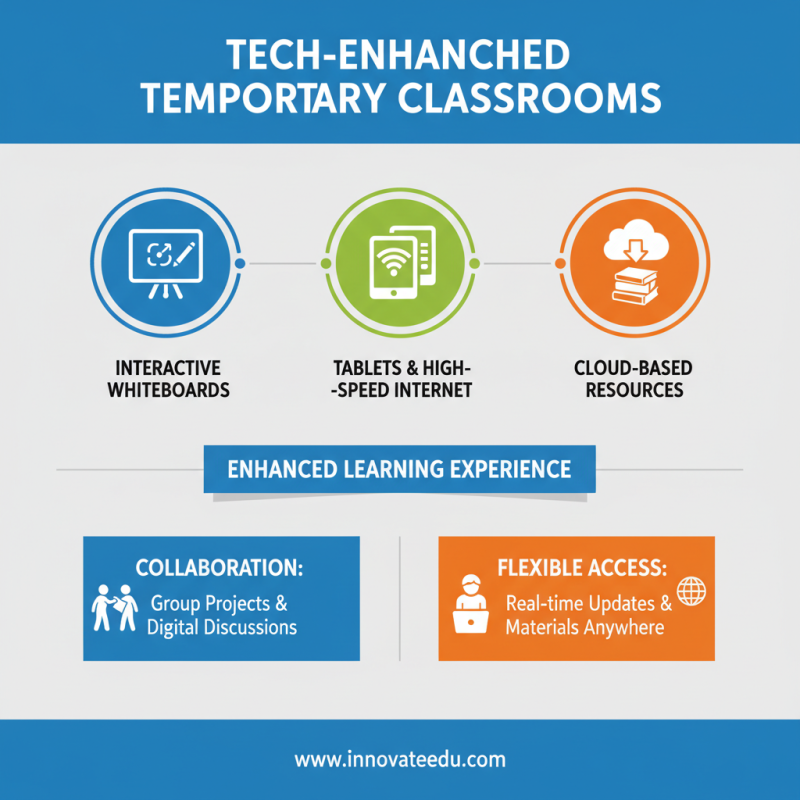
Integrating technology in temporary classroom setups can significantly enhance the learning experience for students. These flexible learning spaces can be equipped with various digital tools such as interactive whiteboards, tablets, and high-speed internet access. By creating an interactive environment, educators can foster collaboration among students through group projects and digital discussions, allowing for a more engaging learning atmosphere. The use of cloud-based applications facilitates real-time updates and shared resources, ensuring that students can access learning materials from anywhere within the temporary classroom.
Moreover, leveraging technology enables personalized learning experiences tailored to individual student needs. Adaptive learning platforms can be integrated into the curriculum, allowing educators to monitor progress and adjust teaching methods accordingly. With mobile devices, students can engage in self-directed learning, exploring topics that interest them while teachers provide guidance and support. This approach not only promotes autonomy but also helps develop critical thinking skills, as students learn to navigate digital resources effectively. By embracing technology in temporary classroom environments, schools can create dynamic and resourceful learning spaces that prepare students for the demands of modern education.
Strategies for Enhancing Student Engagement in Temporary Spaces
Temporary classrooms offer a unique opportunity to create modern learning environments that prioritize student engagement. Research indicates that 76% of students believe their learning is enhanced in flexible, adaptive spaces. This insight emphasizes the importance of designing temporary classrooms that not only accommodate traditional learning but also encourage collaboration and creativity. Incorporating movable furniture allows students to easily reconfigure their surroundings for group projects, discussions, or individual work, ultimately fostering a sense of ownership over their learning experiences.
Moreover, integrating technology within temporary classrooms can significantly boost student participation. According to a study by the National Education Association, classrooms equipped with interactive tools see a 30% increase in student engagement rates. This correlation underscores the necessity of integrating smart boards, tablets, and collaborative software in temporary setups. Additionally, incorporating elements that reflect community interests and relevant themes can further engage students, making the learning experience more relatable and meaningful. Emphasizing these strategies in temporary classroom design not only enhances student engagement but also supports a dynamic educational experience that prepares learners for the future.
Assessing the Impact of Temporary Classrooms on Learning Outcomes
The impact of temporary classrooms on learning outcomes is a crucial area of exploration, particularly in today's rapidly changing educational landscapes. Research indicates that well-designed temporary classrooms can enhance student engagement and performance. A study conducted by the National Center for Education Statistics found that students in adaptable learning environments showed a 15% improvement in academic performance compared to those in traditional, rigid classroom settings. This suggests that flexibility in design and layout can significantly influence student motivation and learning effectiveness.
Moreover, temporary classrooms offer opportunities for innovative teaching methodologies that align with modern pedagogical practices. According to a report by the Collaborative for Academic, Social, and Emotional Learning, environments that facilitate collaboration and active learning are fundamental to boosting cognitive and social skills. Temporary classrooms, often equipped with moveable furniture and technology-rich resources, can serve as incubators for such interactive learning experiences. Data also shows that students exposed to these dynamic spaces are 20% more likely to report satisfaction in their learning environment, which correlates with improved academic outcomes and overall well-being.
Impact of Temporary Classrooms on Learning Outcomes