2025 How to Embrace Container Living for Sustainable Housing Solutions
As urbanization continues to rise, innovative housing solutions become essential. Container living is gaining traction as a sustainable option in modern architecture. According to the World Economic Forum, the global housing crisis demands eco-friendly alternatives that consume fewer resources.
Experts highlight the importance of adapting to these new methods. John Smith, an authority in container architecture, states, "Container living is not just a trend; it's a way to rethink our resources." This sustainable approach attracts eco-conscious residents and offers flexibility in design and location. Each container can be customized, providing unique living spaces.
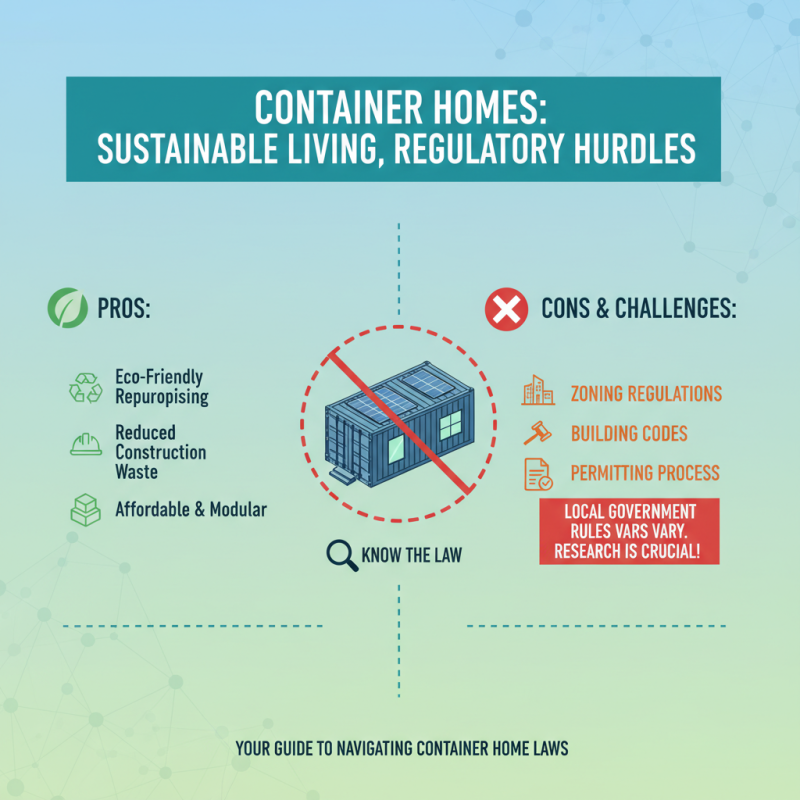
However, challenges remain. The initial investment may deter some, and zoning laws can complicate development. Still, embracing container living could revolutionize our relationship with housing. It encourages a shift towards reducing waste and promoting resource efficiency. As we move towards 2025, fostering awareness and understanding of container living will be crucial in addressing housing issues globally.

Understanding Container Living: A Sustainable Housing Solution
Container living is emerging as a practical solution for sustainable housing. These structures, often made from recycled shipping containers, drastically reduce waste and minimize resource consumption. According to a report by the United Nations, around 1.6 billion people could be living in inadequate housing by 2025. Container homes can help address this issue.
Building a container home is efficient. They can be repurposed and deployed quickly, often requiring fewer resources than traditional housing. One notable study indicates that constructing a container home can save up to 50% in energy costs compared to traditional builds. However, challenges exist, such as insulation and ventilation. Proper planning is essential to avoid discomfort and inefficiency in your living space.
Tips: Choose your location wisely. A sunny area can reduce heating costs. Consider integrating renewable energy sources. Solar panels can significantly power your container home. Be mindful of zoning laws in your area. Some regions have strict regulations regarding container construction. To make it work, you might need to be creative and flexible with your ideas.
2025 How to Embrace Container Living for Sustainable Housing Solutions
| Feature |
Description |
Sustainability Impact |
Cost (USD) |
| Energy Efficiency |
Insulated containers can significantly reduce energy consumption. |
Lower carbon footprint and reduced utility costs. |
$20,000 to $30,000 |
| Recyclability |
Containers are made from steel, which is 100% recyclable. |
Promotes circular economy practices. |
$15,000 to $25,000 |
| Mobility |
Containers can be easily relocated, providing flexibility. |
Reduced need for new materials in new builds. |
$10,000 to $20,000 |
| Modular Design |
Containers can be combined to create larger spaces. |
Efficient use of space with minimal environmental impact. |
$25,000 to $40,000 |
| Durability |
Steel containers are robust and weather-resistant. |
Longer lifespan reduces the need for frequent replacements. |
$30,000 to $50,000 |
The Benefits of Using Shipping Containers for Homes
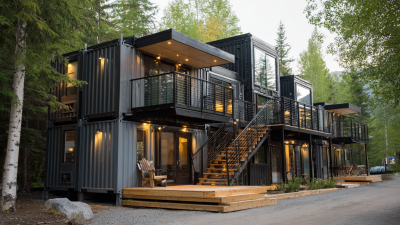
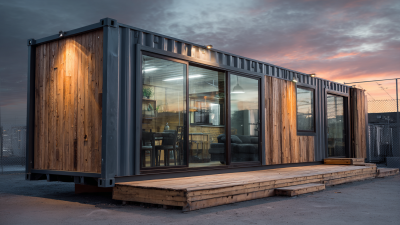
Shipping containers are becoming a popular choice for sustainable housing. They are durable, recyclable, and readily available. Each container can be transformed into a cozy living space. This versatility allows for creative design ideas. Many people enjoy customizing their spaces with different layouts.
One major benefit is cost efficiency. Building with containers often reduces construction costs significantly. However, there are challenges. Insulation can be tricky, especially in extreme climates. Proper ventilation is essential to avoid moisture buildup. Some owners might find it difficult to adapt to the compact living space.
Storage solutions become critical in container homes. Many choose multi-functional furniture to maximize space use. Living in a container can foster a sense of community. Citizens interested in sustainability can learn from one another. Container communities may face zoning regulations and land issues, which require careful planning.
Designing Your Container Home: Key Considerations and Tips
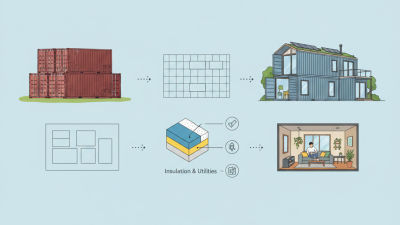
Designing a container home requires careful planning and creativity. First, consider the space layout. An average shipping container measures about 320 square feet. This limited area can feel cramped if not designed thoughtfully. It's essential to maximize vertical space. Utilize shelves and multi-functional furniture to avoid clutter. Remember, less is often more.
Sustainability is crucial in container living. However, not all containers are eco-friendly. According to a recent report, 30% of used containers may have hazardous residues. Prioritize sourcing safe materials. Consider insulation, as metal containers can heat up quickly. The right insulation can lower energy costs by up to 20%.
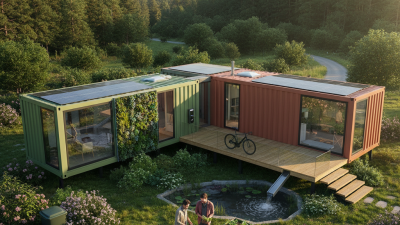
A unique design may come with challenges. The aesthetics should blend with the surroundings. Garden integration can enhance both beauty and sustainability. Vertical gardens or solar panels are excellent options. Reflect on the local climate and choose materials accordingly. Not every design will work in every environment. Embrace experimentation, but be mindful of local building codes. Each decision shapes your container living experience.
Future Trends in Container Living and Sustainable Housing Practices
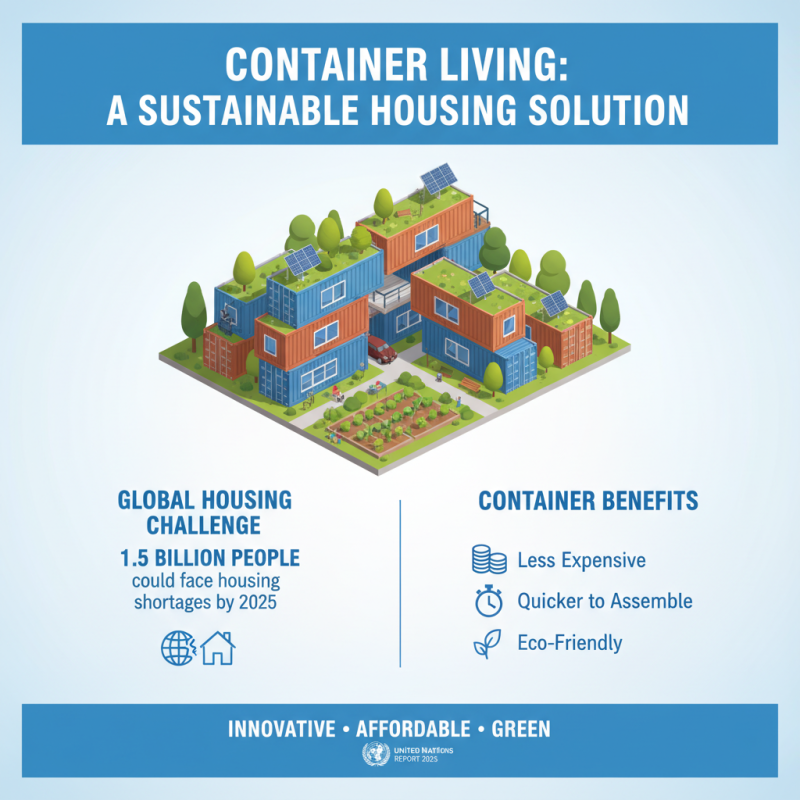
Container living is gaining attention as a viable solution for sustainable housing. A recent report from the United Nations suggests that by 2025, more than 1.5 billion people could face housing shortages. This situation has sparked interest in innovative housing solutions like shipping containers. These structures are often less expensive and quicker to assemble than traditional homes.
One of the notable trends is the growing emphasis on eco-friendly materials and design practices. According to research by the World Green Building Council, buildings significantly contribute to global carbon emissions. Container homes offer insulation advantages that can reduce energy usage. However, there's an ongoing debate regarding the long-term sustainability of converting shipping containers into livable spaces. While they can be repurposed effectively, inadequate ventilation and insulation can lead to health issues.
Many people are exploring container homes as a minimalist lifestyle choice. With smaller spaces, residents often prioritize functionality and design. However, not everyone is suited for this way of living. Issues like limited square footage and zoning regulations can be challenging. As container living evolves, it is crucial to address these shortcomings. Embracing container living requires a balance between innovation and practicality.