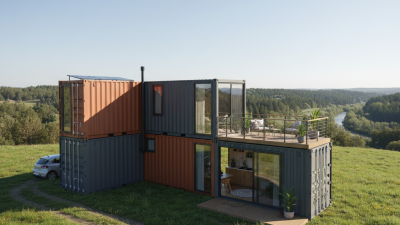
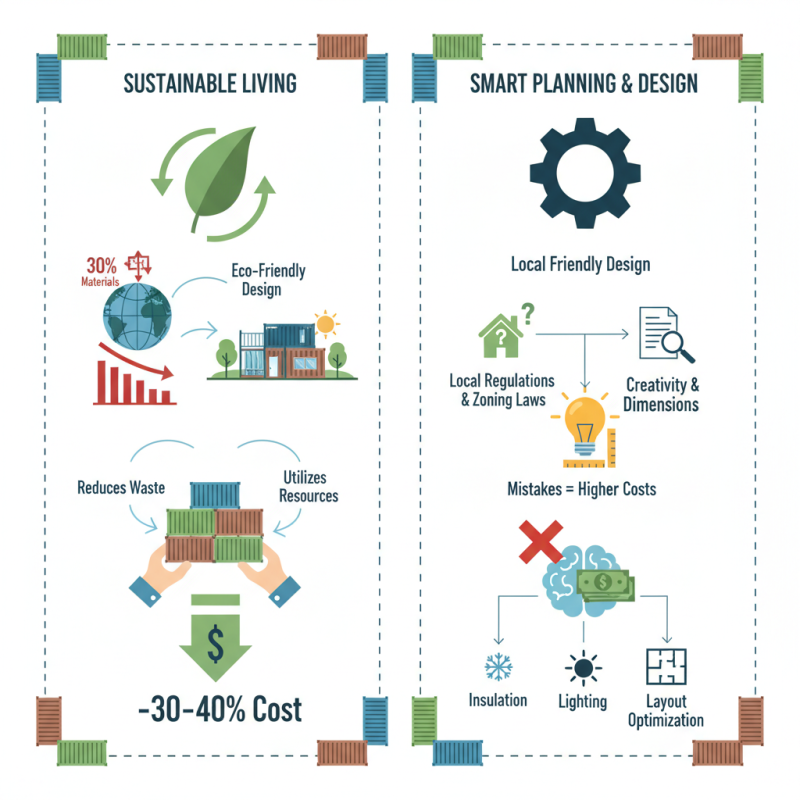
The rise of the Iso Container House reflects a significant trend in sustainable living. According to a report by the International Organization for Standardization, around 30% of housing worldwide is made from materials that harm the environment. This shifts the focus toward more eco-friendly designs, like the Iso Container House.
Building with shipping containers reduces waste and utilizes existing resources. The average cost to construct an Iso Container House can be 30-40% lower than traditional homes. However, the planning process can be daunting. It's important to understand local regulations and zoning laws before starting.
When designing an Iso Container House, creativity is essential. Each container offers unique dimensions and limitations. Mistakes can lead to higher costs, so thoughtfulness in planning is key. Think about insulation, lighting, and layout carefully to optimize space. This approach leads to a functional and stunning living environment.
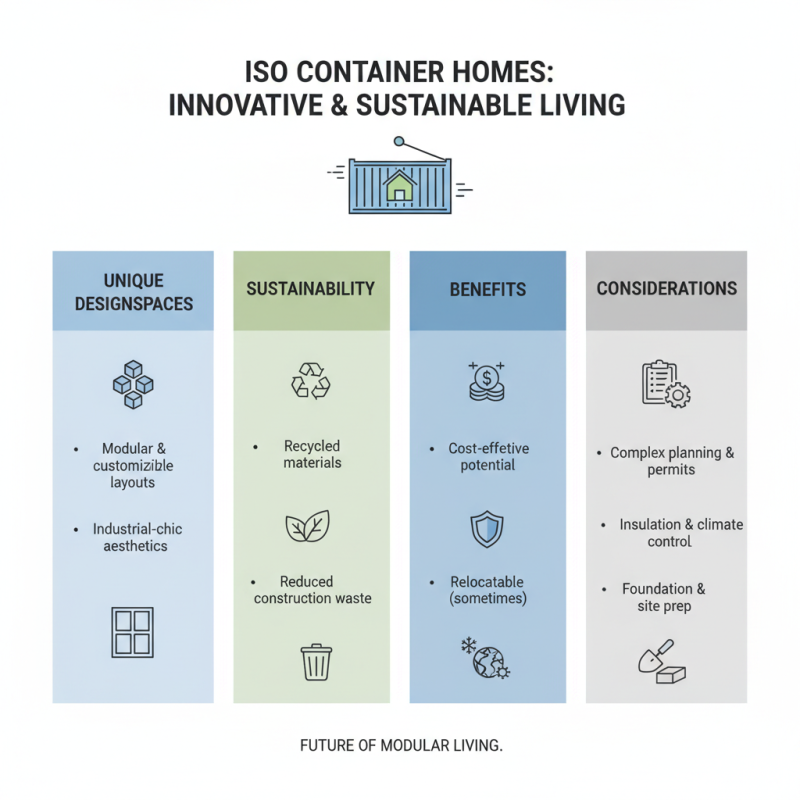
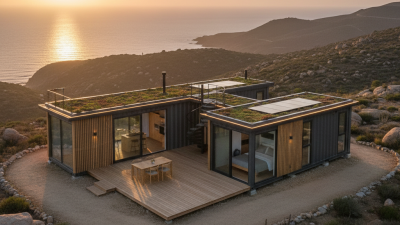
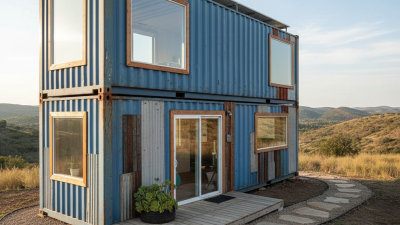
Iso container houses have gained popularity for their innovative designs. These homes create unique living spaces using shipping containers. They offer sustainability by recycling materials. However, building one requires careful planning and reflection.
When considering an iso container house, evaluate your local zoning laws. Regulations can vary significantly from one area to another. Ensure you understand what is permitted and what isn't. Another important aspect is insulation. Depending on your climate, you may need advanced insulation techniques to maintain comfort.
Aesthetic choices can present challenges. While containers offer a modern look, blending them into your chosen environment can be tricky. Proper ventilation is essential to prevent moisture build-up. Remember, this is an evolving journey. Each decision can have future implications, so be open to adjustments and improvements along the way.
Choosing the right iso containers for your project is crucial. There are many factors to consider. Think about size, condition, and structural integrity. Make sure you inspect every container. Look for signs of rust or damage. A small hole can lead to significant issues later.
Consider your specific needs. Will you use it for living or working? Different purposes require different features. If you plan to insulate, select containers with a strong frame. Pay attention to doors and windows. Ask yourself if they will be functional for your needs.
Remember, finding the perfect container may take time. You might encounter containers that seem ideal but fall short. Reflect on your choices carefully. Reach out to professionals if needed. The right decision can save you stress down the road.
| Tip Number | Tip | Importance | Considerations |
|---|---|---|---|
| 1 | Assess Your Space Requirements | High | Consider future needs and layout planning. |
| 2 | Choose Quality Containers | High | Inspect for rust, structural integrity, and leaks. |
| 3 | Consider Insulation Needs | Medium | Research insulation materials suitable for containers. |
| 4 | Plan for Utilities | High | Ensure access to electricity, plumbing, and HVAC. |
| 5 | Ensure Proper Ventilation | Medium | Install windows or ventilation systems. |
| 6 | Select a Suitable Foundation | High | A solid base can prevent rust and movement. |
| 7 | Decide on Multiple Units or Single | Medium | Multiple units can offer more flexibility. |
| 8 | Maintain Compliance with Local Codes | High | Check building codes and zoning regulations. |
| 9 | Factor in Transportation Logistics | Medium | Plan for delivery and site setup. |
| 10 | Budget for Unforeseen Costs | High | Include a contingency fund for unexpected expenses. |
Building a container home is an exciting venture. You need the right tools and materials. Start with durable shipping containers. They are the backbone of your structure. Consider insulation materials for both heat and sound. This will make your home comfortable.
Tools are equally important. A good welding machine can make joining containers easier. Hand tools like hammers and screwdrivers are essential too. Don’t forget power tools. They can speed up the process. Safety gear is crucial. Accidents can happen when working with heavy materials.
It’s important to plan your layout carefully. Measure everything twice to avoid costly mistakes. Document your progress regularly. This will help you reflect on what works and what doesn’t. Sometimes, you may need to revise your plans. Flexibility is key in this journey to success.
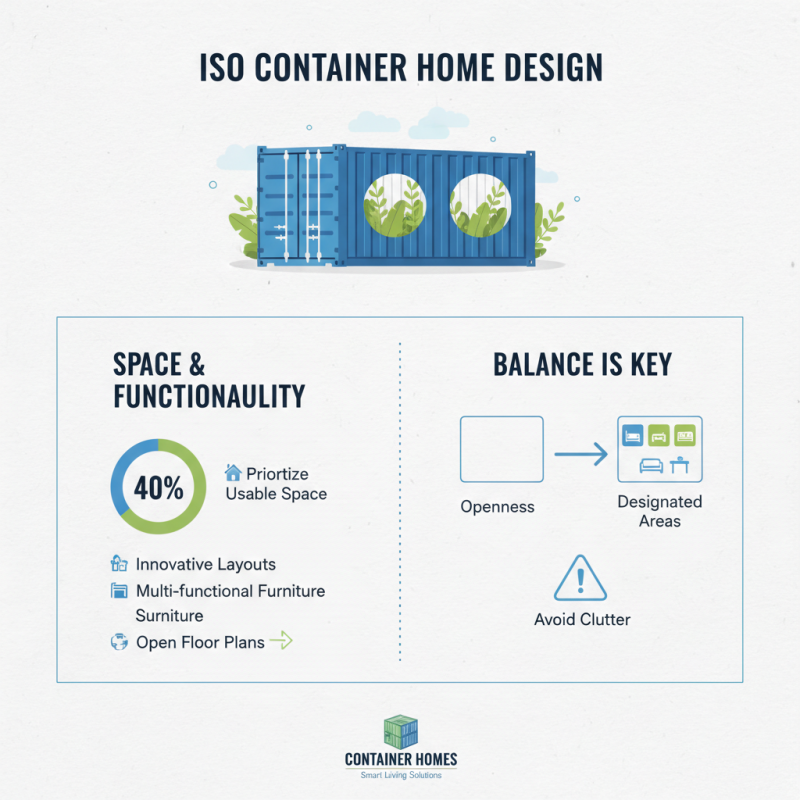
When designing an iso container house, space and functionality are critical. A survey by Container Homes reveals that 40% of people prioritize maximizing usable space. This approach requires innovative layouts and multi-functional furniture. Open floor plans can increase the feeling of space, making it feel less confined. However, overestimating the effectiveness of an open design can result in clutter. It's crucial to balance openness with designated areas.
Consider natural light as a vital factor in design. Well-placed windows can brighten the interior, making it more inviting. Studies indicate that natural light improves mood and productivity. Yet, too many windows might compromise privacy and insulation. Choose window placement carefully.
Adding multifunctional elements is another tip. A foldable dining table can save space, while a sofa bed offers dual purpose. Keep in mind that practicality can conflict with aesthetics. Overly complex designs may become hard to use daily. Strive for a balance that meets both your needs and vision.
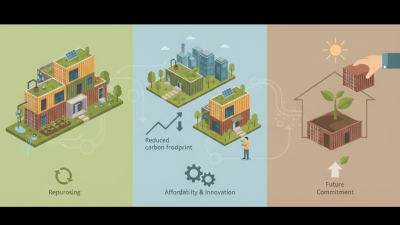
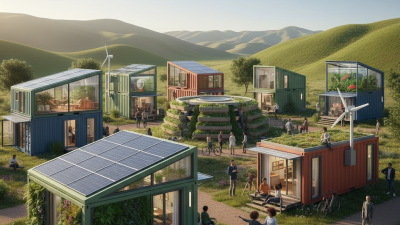
Building an iso container house can be a great way to embrace sustainability. Container homes are often recycled, reducing waste. According to a report by the Global Recycling Foundation, up to 20 million shipping containers are surplus worldwide. This creates an opportunity for eco-conscious builders. Choosing to use these containers can help minimize the carbon footprint.
Energy efficiency is another critical aspect. Proper insulation is necessary to create a comfortable living space. Studies show that well-insulated containers can reduce heating and cooling costs by up to 40%. Implementing solar panels can further enhance energy savings. On average, solar energy can cover 70% of a household's power needs, making it an attractive option.
While the benefits are substantial, challenges remain. Containers can trap heat and moisture if not adequately ventilated. Ignoring this can lead to mold, which poses health risks. It's essential to address airflow in the design phase. Additionally, not every location can support container homes due to zoning laws. This might complicate your dream project. Careful planning is vital to navigate these potential pitfalls.