How to Find a Container House Ready for Your Next Project?
Finding the right container house for your next project can be a daunting task. As industry expert John Smith, founder of Container Solutions, aptly puts it, “Choosing a container house is not just about style; it’s about durability and functionality.” This perspective highlights the essential elements to consider while searching for a "Container House Ready" solution.
Container houses are not one-size-fits-all. Each project has unique requirements. You must consider size, insulation, and design. These elements determine the container's suitability for your needs. It’s easy to overlook important factors in the excitement of finding a visually appealing structure.
Reflecting on past projects, some clients focused solely on aesthetics. This led to issues with insulation and energy efficiency later. Prioritizing functionality ultimately saves time and money. Therefore, when selecting a "Container House Ready," take the time to evaluate every aspect, ensuring it aligns with your goals.
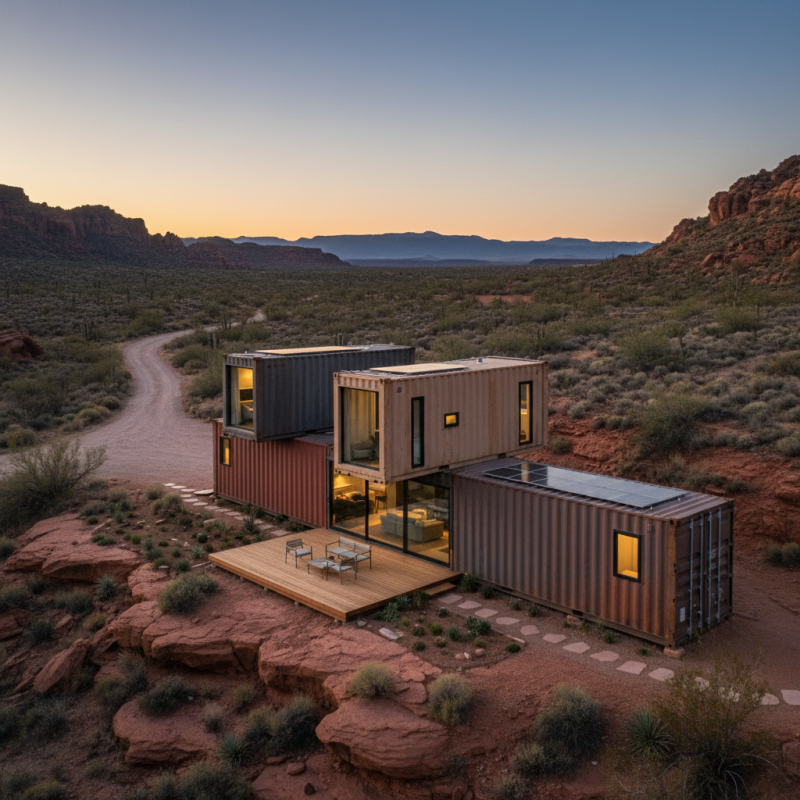
Understanding Container Houses: Types and Benefits
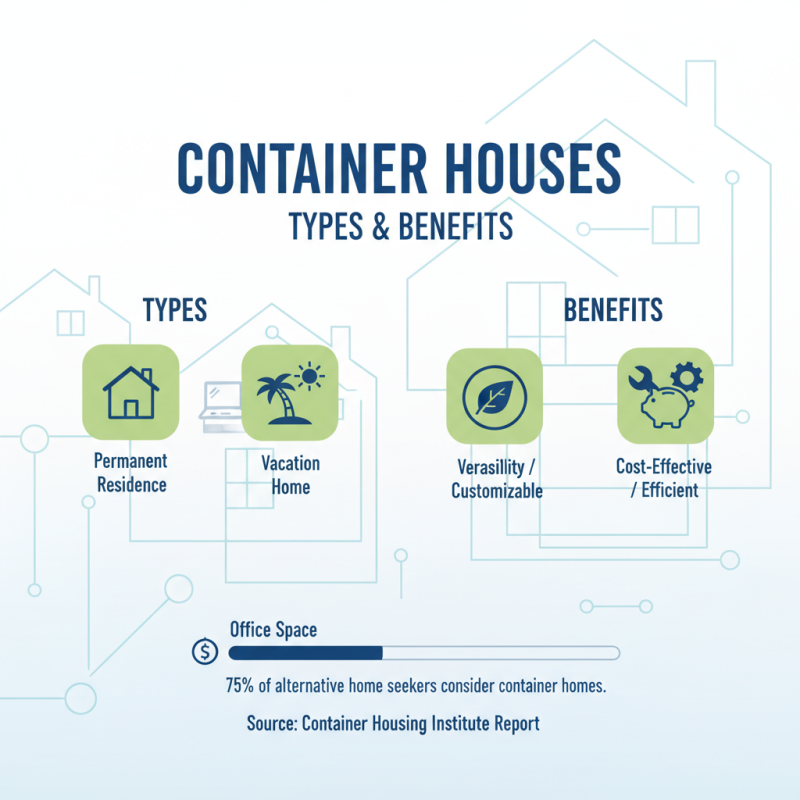
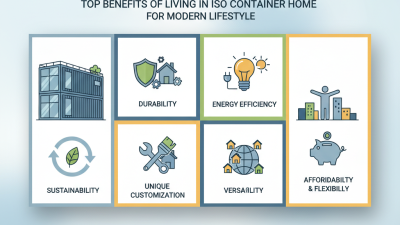
Container houses have gained popularity due to their versatility and sustainability. These homes can be customized for various needs, including permanent residences, vacation homes, or even offices. According to a report by the Container Housing Institute, nearly 75% of individuals exploring alternative housing options consider container homes for their unique benefits.
The main types of container houses include single-container units and multi-container edifices. Single-container houses are compact, making them ideal for minimalists. Multi-container designs create larger living spaces and can include multiple rooms. This flexibility allows homeowners to create a design that suits their lifestyle. However, buyers often face challenges with zoning regulations and obtaining permits, which can complicate the design process.
Tips: Assess your intended use before choosing a container house type. Research local zoning laws to ensure compliance. Consider potential insulation challenges; containers can be harsh climates without proper treatment. Always seek expert advice to avoid costly mistakes. Remember that your budget should account for unexpected costs, such as modifications and delivery fees.
Assessing Your Project Requirements for a Container House
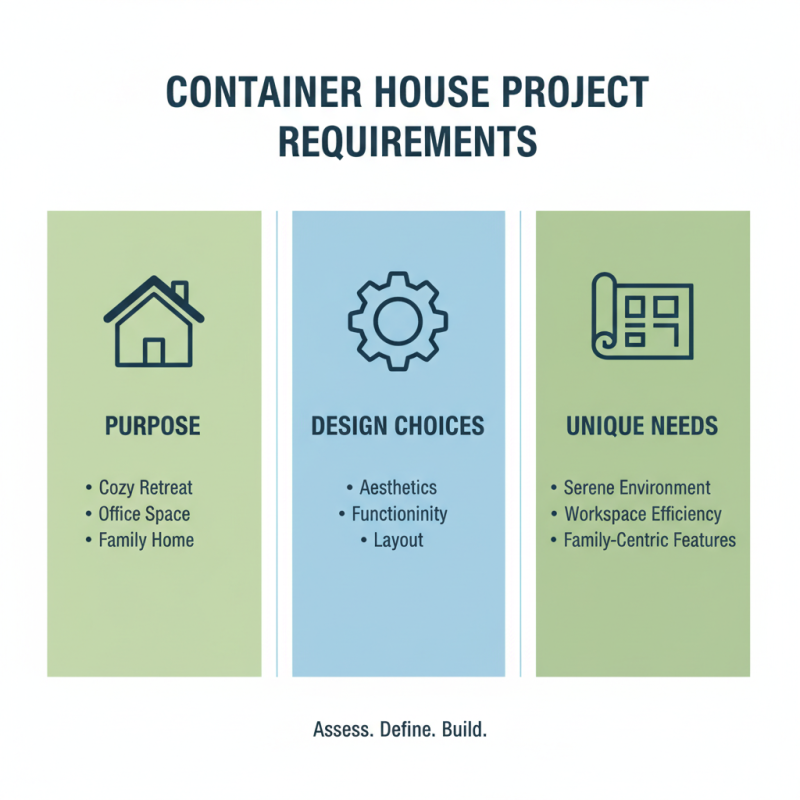
When considering a container house for your next project, it's vital to assess your specific requirements. Start by defining the purpose of the container house. Are you planning a cozy retreat, an office space, or a family home? Each purpose has unique needs that will shape your design choices. A retreat may require serene aesthetics, while an office might focus on functionality.
Next, think about the size and configuration. Container houses come in various sizes, from a single unit to multi-container setups. Consider how much space you need. Visualize your layout. Will one container suffice? Or will you need multiple units for your vision? It's crucial to keep your long-term plans in mind. Flexibility can help in future enhancements.
Don't overlook local building regulations. Compliance ensures safety and legality. Research zoning laws specific to container homes in your area. Additionally, reflect on utility connections. Are you prepared to integrate plumbing and electricity? This can add complexity to your project. Assess your skills and budget realistically; some tasks might require professional help, which could impact timing and costs.
Researching Suitable Locations and Suppliers for Container Houses
Finding the right location and reliable suppliers is crucial when considering a container house project. A report from the National Association of Home Builders highlights that container homes have become increasingly popular, attracting a diverse clientele. This interest is partly due to their affordability and environmental benefits. However, not every location is suitable for container housing. Zoning laws vary greatly, so research local regulations before purchasing a plot.
When selecting suppliers, it’s important to assess their reputation and experience in the industry. Look for companies that focus on sustainability and quality. A study from the International Journal of Construction Management found that choosing established suppliers reduces project risks significantly. Consider asking for references or checking online reviews to gauge reliability.
Tip: Always visit potential sites before making a decision. This can provide insights into the neighborhood and future development plans. Take note of infrastructure and accessibility, as these factors can influence your project’s success.
Another aspect to reflect on is the long-term market demand for container houses. Trends show that while interest is high, fluctuations can occur based on economic conditions. Therefore, ensure your investment aligns with future market forecasts.
Evaluating Costs and Financing Options for Container House Projects
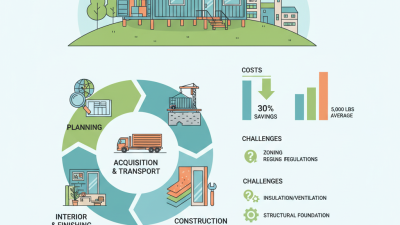
When evaluating costs for a container house project, consider multiple factors. The initial purchase price of the containers is just one part. Transportation and site preparation can add significant expenses. It’s vital to assess these costs early on. Unexpected expenses can derail your budget. Always have a contingency fund in place.
Financing options vary widely. Some individuals choose personal loans, while others explore specialized constructors or eco-friendly loans. Interest rates can differ significantly. Research each option thoroughly. Understanding the terms is crucial. Make sure to ask about hidden fees. This initial diligence can prevent financial strain later.
Many people overlook the importance of energy efficiency in container homes. While upfront costs matter, long-term expenses are equally critical. Insulation, windows, and heating systems impact overall budget. If not properly considered, these factors can lead to high utility bills. Weigh your choices carefully to avoid costly mistakes.
Cost Breakdown for Container House Construction
Navigating Regulations and Permits for Container House Installations
When considering a container house for your project, understanding local regulations is vital. Each municipality has specific zoning laws and building codes. A study by the Container Alliance shows that approximately 30% of container projects face delays due to permit issues.
Navigating these regulations can be daunting. It's important to check if your area allows container homes. Some regions classify them as temporary structures, while others may require full residential permits. A 2021 report indicated that 40% of container homes had to undergo significant design changes to meet local codes.
Additionally, environmental impact assessments may be needed. Many areas require these to ensure the project aligns with sustainability goals. Resource documents from the International Code Council emphasize the need for compliance in structural integrity, safety, and environmental concerns. Understanding these aspects from the start can save time and resources in the long run.
How to Find a Container House Ready for Your Next Project? - Navigating Regulations and Permits for Container House Installations
| Aspect |
Details |
| Container Size |
Standard sizes are 20ft and 40ft. |
| Zoning Regulations |
Check local zoning laws for container use in residential or commercial areas. |
| Building Permits |
Obtain necessary permits before installation; consult local authorities. |
| Design Considerations |
Plan layout, insulation, and utilities for functional living or workspace. |
| Cost Factors |
Consider container purchase, transportation, modifications, and permits. |
| Community Considerations |
Engage with neighbors and community for support and awareness. |
| Sustainability |
Consider eco-friendly practices in building and utilities. |