Building Faster | Smarter | Greener

Leave Your Message

What is Flat Pack Containers and How Are They Used?

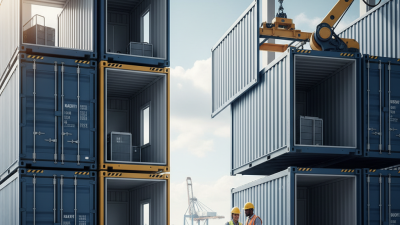
Flat Pack Containers are revolutionizing the shipping and construction industries. These innovative solutions bring efficiency and flexibility to logistics. Industry expert Dr. James Parker states, "Flat Pack Containers are the future of modular transport." His insights underline the growing significance of these containers in various sectors.

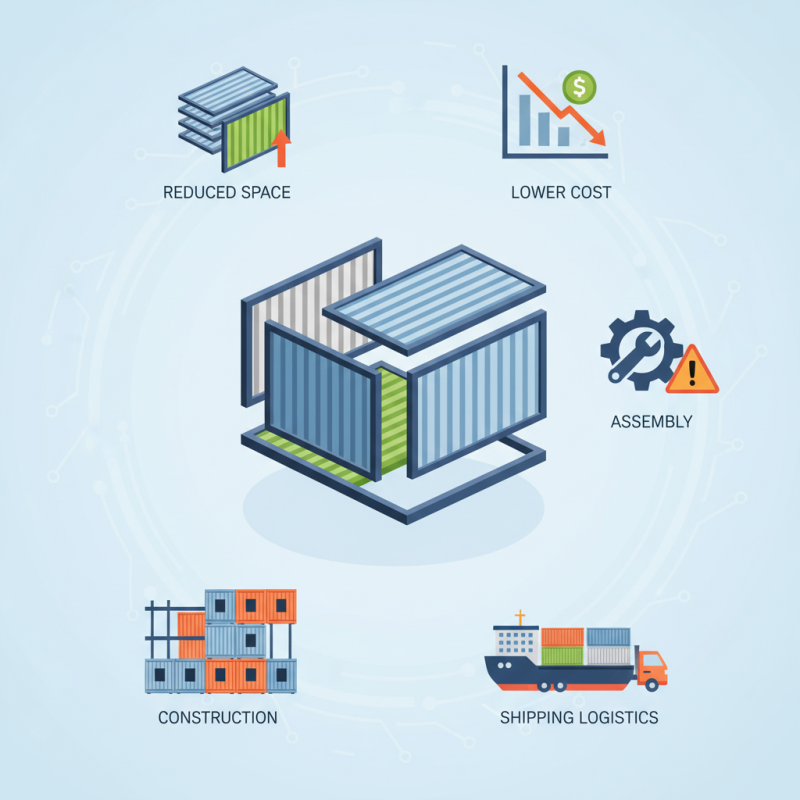
Flat Pack Containers are designed for easy assembly and transport. They help reduce space and cost during shipping. The containers come in different sizes and materials, tailored to specific needs. This versatility makes them appealing to businesses worldwide.

However, the rise of Flat Pack Containers isn’t without challenges. Assembly may require skilled labor, and improper handling can lead to damage. Companies must address these issues to fully benefit from the efficiency that Flat Pack Containers offer. Understanding their potential and limitations is key to maximizing their use in modern logistics.
What is Flat Pack Containers and How Are They Used?

Definition of Flat Pack Containers and Their Key Features

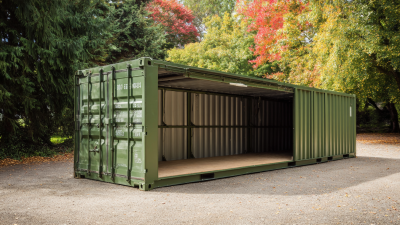
Flat pack containers are innovative storage solutions, designed for efficiency. They are typically constructed from materials like plywood or steel. These containers can be easily assembled and disassembled. This feature allows for significant space savings during transport. According to industry reports, the flat pack market has seen a 10% annual growth rate. This rate indicates a rising demand for flexible storage options.

Key features of flat pack containers include their robust design, lightweight materials, and modular construction. These elements make them suitable for various applications. They are often used in construction sites and warehouses. The containers can withstand harsh weather conditions but may require regular maintenance. Over time, wear and tear can impact their structural integrity.

Moreover, practical limitations exist. Improper assembly can lead to instability. Users must also be cautious about overloading the containers. They are not meant to hold excessive weight. Adapting to these containers requires some level of training. This can pose challenges for new users. Overall, flat pack containers combine practicality with unique benefits. They play an essential role in modern logistics and supply chain management.
Common Materials Used in Flat Pack Container Manufacturing

Flat pack containers have gained popularity due to their versatility and ease of use. Made from various materials, these containers are lightweight yet durable. Common choices for manufacturing include plywood, corrugated cardboard, and metal. Each material has its pros and cons, affecting the container's overall performance and sustainability.

Plywood is often chosen for its strength. It offers good insulation and can withstand moisture. However, it may be heavier than other options, which can impact transport costs. Corrugated cardboard is another favorite. It is recyclable and light, making it eco-friendly. Yet, it lacks the durability seen in plywood or metal.

Metal containers, while durable, can be costly. They provide an advantage in security and weather resistance but also add weight. Each material choice must reflect the use case, budget, and environmental impact. Careful consideration of these factors is essential for effective flat pack container utilization.

What is Flat Pack Containers and How Are They Used? - Common Materials Used in Flat Pack Container Manufacturing

Material Properties Typical Use
Steel High strength, corrosion resistance Containers for shipping goods
Aluminum Lightweight, durable, resistant to corrosion Portable containers for tools and equipment
Wood Natural insulator, easy to work with Architectural components in container designs
Composite Materials Strong, lightweight, versatile Custom containers for specific applications
Plastic Waterproof, lightweight, molded Storage containers in various industries

Various Applications of Flat Pack Containers in Different Industries

Flat pack containers are versatile storage solutions used across various industries. These containers can be easily transported and assembled, making them ideal for businesses in logistics and retail. A 2022 report by Smithers estimated that the flat pack market will grow by 7% annually. This increase highlights their growing importance in supply chain management.

In construction, flat pack containers serve multiple purposes. They are used as portable offices, storage units, and even on-site living spaces. Some companies report a 30% reduction in construction time when utilizing these containers. However, the quality can vary. In some cases, inadequate assembly can lead to durability issues.

Tip: Always inspect flat pack containers for quality and usability. Ensure that all components are included in the packaging to prevent inconvenience.

In the e-commerce sector, flat pack containers help streamline the shipping process. They minimize shipping costs due to efficient stacking and reduce storage space needs. According to logistics experts, 80% of online retailers use flat packs for shipping. Despite the advantages, there may be challenges with product damage during transport.

Tip: Implement proper handling techniques to reduce damage risks during shipping.

Benefits of Using Flat Pack Containers Over Traditional Shipping Methods

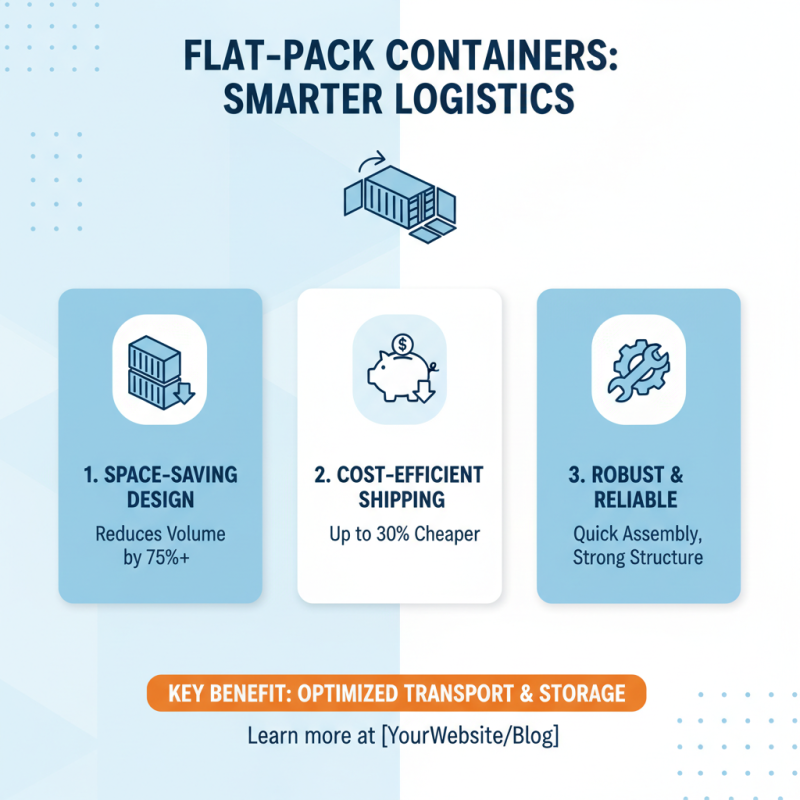
Flat pack containers have gained popularity in the shipping industry. They offer a modern solution to traditional shipping methods. Research indicates that flat pack containers can save up to 30% in shipping costs. This efficiency results from better utilization of space during transportation.

Using flat pack containers also reduces the environmental impact. They typically require less fuel, lowering carbon emissions. Data shows that a single flat pack container can replace several traditional crates. This shift can significantly reduce waste in shipping materials. However, this approach is not without its challenges.

Some companies report difficulties in assembly and quality control. Flat pack containers may not always match the durability of traditional methods. Hence, careful material selection and design are critical. The benefits often come with specific drawbacks that need evaluation. Understanding these nuances can lead to better shipping decisions in the future.

Guidelines for Assembling and Using Flat Pack Containers Effectively

What is Flat Pack Containers and How Are They Used?

Flat pack containers have emerged as a practical solution in the logistics and shipping industries. Their design allows for efficient transportation and storage. According to industry reports, flat pack containers can reduce shipping costs by up to 30% due to their space-saving nature. When assembled correctly, these containers can provide robust and reliable storage solutions. However, proper assembly is crucial to maximize their potential.

When using flat pack containers, always follow the manufacturer’s guidelines. Ensure you have all necessary tools before starting. Take a moment to read the instruction manual, as missing steps can lead to structural weaknesses. In many cases, users skip this step, resulting in assembly errors. It's essential to double-check each component. Any overlooked details may compromise the integrity of the container. Reports suggest that nearly 15% of flat pack container failures stem from improper assembly.

After assembly, inspect the containers regularly. This helps identify any wear or damage over time. Be aware that environmental conditions, such as humidity or temperature fluctuations, can affect the container's durability. An occasional reassessment can prevent issues before they escalate. Many users forget this step, leading to unnecessary losses. Reinforcing the joints and seals can add durability. Overall, attention to detail in both assembly and maintenance will enhance the lifespan of flat pack containers, ensuring they serve their purpose effectively.