Why Glass Container Houses Are Revolutionizing Sustainable Living in 2023?
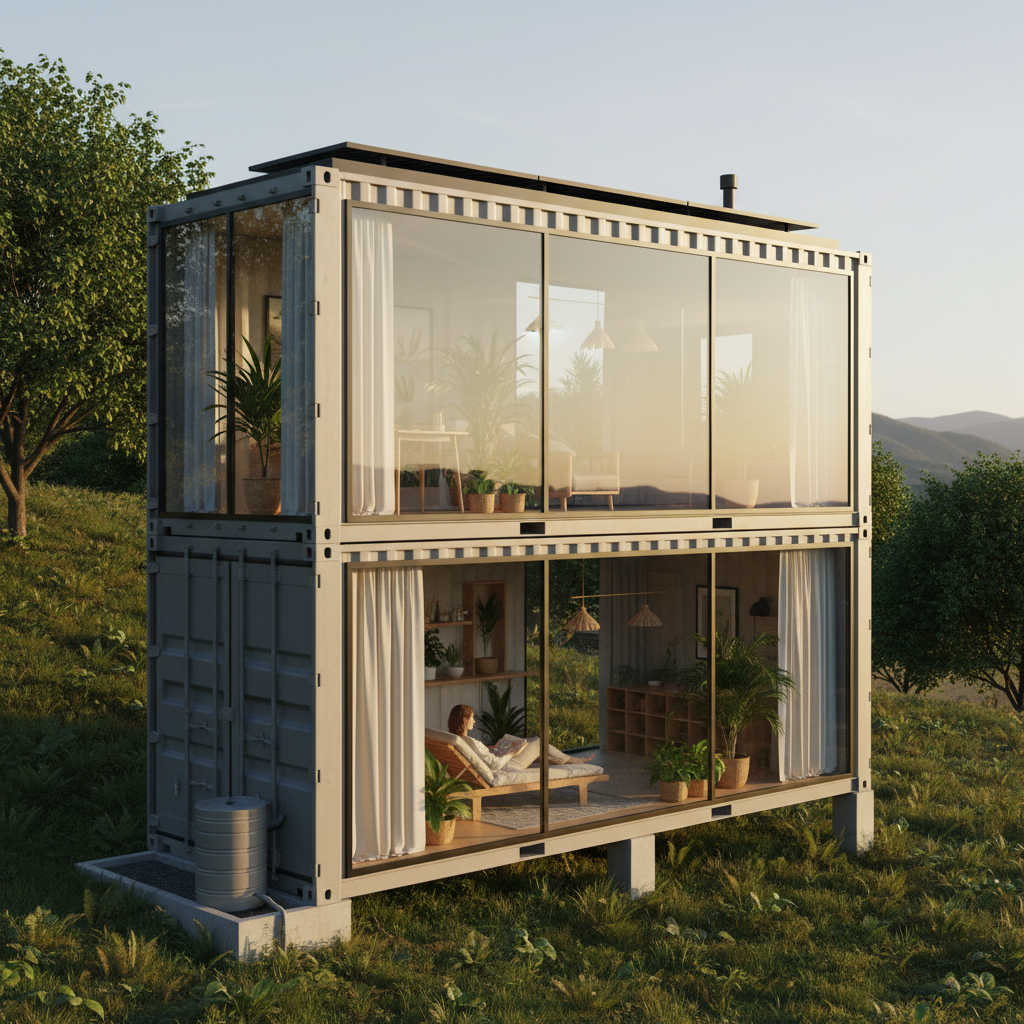
As the world grapples with the pressing challenges of climate change and urban overcrowding, innovative architectural solutions are emerging at the forefront of sustainable living. Among these, the "Glass Container House" has gained significant traction, revolutionizing the way we think about eco-friendly housing. According to a 2023 report by the Global Green Building Council, the demand for sustainable homes has increased by 64% in the past five years, underscoring the critical importance of environmentally conscious construction methods. The glass container house not only utilizes repurposed materials but also minimizes energy consumption through natural lighting and insulation efficiency.
Industry expert Dr. Emily Chen, a leading architect in sustainable design, states, "The Glass Container House represents a paradigm shift in eco-friendly architecture, merging functionality with aesthetic appeal." This approach not only supports sustainability but also aligns with the growing consumer preference for homes that harmonize with nature. As homeowners increasingly seek greener alternatives amid rising environmental awareness, projects utilizing glass and shipping containers are not just innovative; they are becoming essential for future urban living. This introduction sets the stage for exploring the top five ways in which glass container houses are transforming the landscape of sustainable living in 2023.
The Rise of Glass Container Houses: A Sustainable Housing Trend in 2023
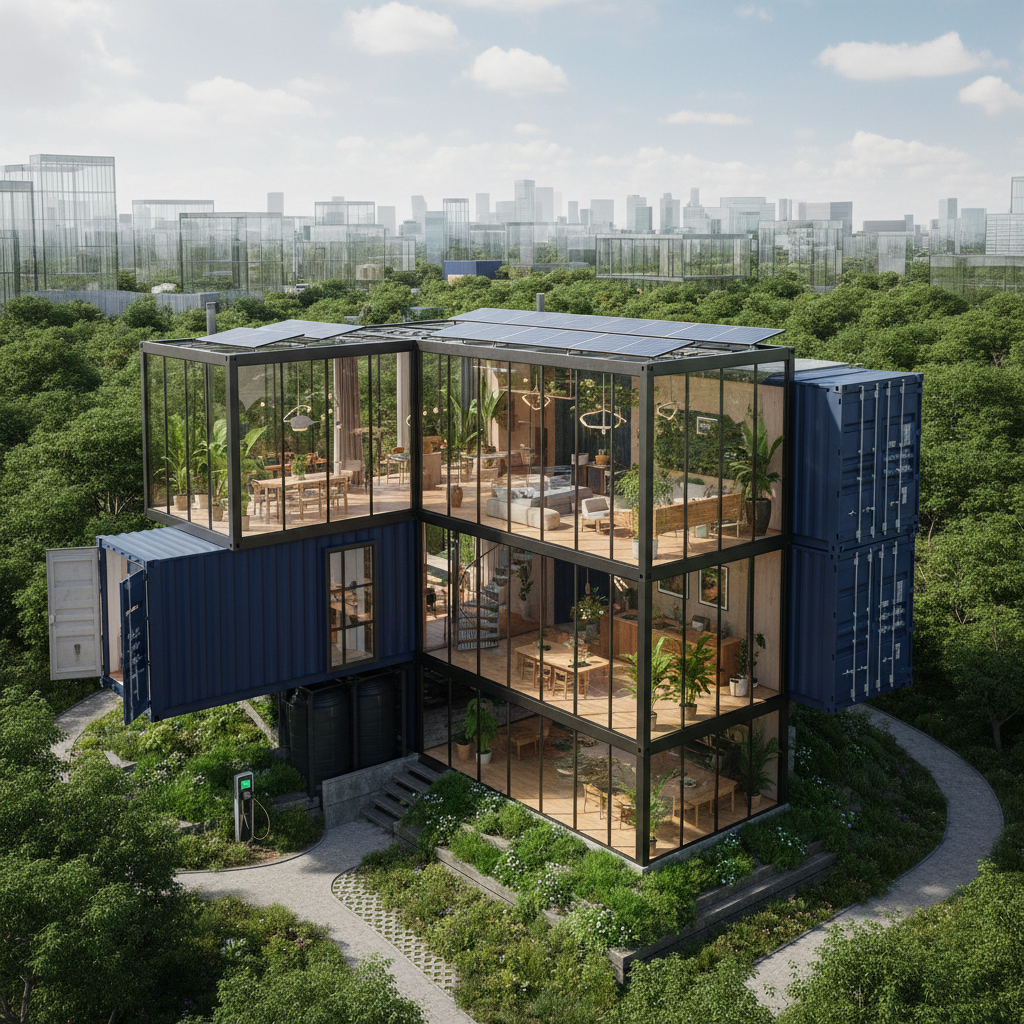
The rise of glass container houses in 2023 signifies a remarkable shift towards sustainable living. These innovative homes not only enhance aesthetic appeal but also prioritize energy efficiency and environmental responsibility. As concerns about climate change intensify, more individuals are exploring housing options that minimize their carbon footprint. Glass container houses, constructed from repurposed shipping containers, offer a unique blend of durability and design flexibility, making them an attractive alternative to traditional homes.
**Tips for Embracing Sustainable Living with Glass Container Houses:**
1. **Consider Passive Design:** Optimize the placement of windows and building orientation to maximize natural light and reduce the need for artificial heating and cooling.
2. **Utilize Recycled Materials:** When outfitting your container home, incorporate materials that are eco-friendly and sourced sustainably to further enhance your environmental impact.
3. **Incorporate Green Technologies:** Invest in solar panels and rainwater harvesting systems to increase the energy efficiency and self-sustainability of your glass container house.
As the container homes market is projected to surpass USD 109.4 billion by 2032, the appeal of glass container houses will likely continue to grow, attracting a diverse range of homeowners committed to sustainability.
Glass Container Houses and Sustainable Living Trends in 2023
Innovative Materials: How Recycled Glass is Redefining Construction Practices
The growing trend of glass container houses marks a significant leap in sustainable living, largely fueled by innovative materials such as recycled glass. This approach not only offers a visually striking architectural design but also emphasizes environmental responsibility. By repurposing glass—a material that is both durable and versatile—builders are reducing waste and minimizing the carbon footprint associated with traditional construction methods. Recycled glass can be used for insulation, facades, and even structural elements, making it an integral part of creating functional, eco-friendly homes.
Moreover, using recycled glass in construction practices fosters a circular economy, where materials are continually reused rather than discarded. This practice not only conserves natural resources but also advocates for sustainable manufacturing processes. As architects and builders experiment with various forms of glass, such as laminated or treated glass, they unlock new possibilities for energy efficiency and aesthetic appeal. This forward-thinking approach not only redefines modern living spaces but also paves the way for a more sustainable future, showcasing how eco-friendly materials can lead to innovative construction practices that align with contemporary environmental goals.
Energy Efficiency: Quantifying the Benefits of Natural Light in Glass Homes
In 2023, glass container houses are emerging as a
pioneering solution for sustainable living,
particularly through their energy efficiency.
One of the most compelling advantages of these homes is their ability to harness
natural light, significantly reducing the need for artificial lighting. According to a
report by the International Energy Agency, buildings that maximize natural
light can decrease electricity consumption by up to 30%, leading to lower
energy bills and a reduced carbon footprint.
The design of glass container houses facilitates an abundance of daylight, enhancing
the indoor environment while minimizing reliance on mechanical heating and cooling.
A study published by the U.S. Green Building Council indicates that homes
with ample natural light can increase productivity and overall well-being by 15%
and often see a 20% reduction in heating costs
due to passive solar heating. As property owners and developers embrace the glass
container concept, the architectural integration of energy-efficient features presents
an opportunity to create homes that are not only aesthetically pleasing but also
environmentally responsible.
Cost-Effectiveness: Analyzing the Economic Advantages of Glass Container Living
Glass container houses are emerging as a cost-effective alternative in the realm of sustainable living. One of the primary economic advantages of these structures lies in their potential for affordability. Utilizing repurposed shipping containers, homeowners can significantly reduce construction costs compared to traditional building materials and methods. The streamlined design and efficient use of space also contribute to lower overall expenditures, allowing individuals to invest their savings into other sustainable technologies, such as solar panels and energy-efficient appliances.
Moreover, the energy efficiency inherent in glass container houses plays a crucial role in long-term financial benefits. With large glass windows, these homes optimize natural light, reducing dependency on artificial lighting and decreasing energy bills. The thermal properties of glass, combined with proper insulation, can further minimize heating and cooling costs. As more people recognize the financial advantages of adopting this innovative housing solution, glass container homes are setting a new standard in sustainable living that is both environmentally friendly and economically wise.
Aesthetic Appeal: The Impact of Design and Sustainability on Market Demand
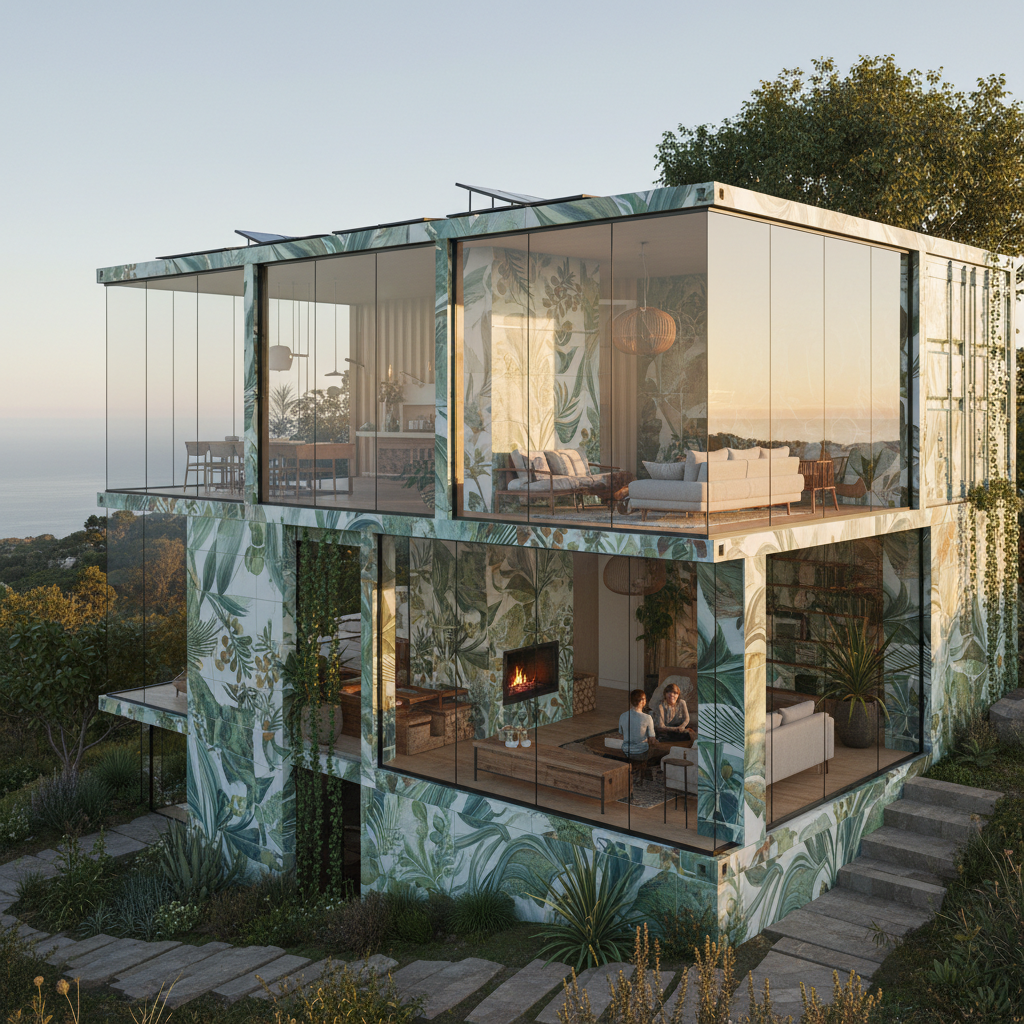
The aesthetic appeal of glass container houses is reshaping sustainable living, driving a rise in market demand for innovative materials like digitally printed ceramic tiles. This trend reflects a broader shift towards blending design with sustainability, as consumers increasingly seek both functionality and visual impact in their living spaces.
The digital printing technology used for ceramic tiles allows for intricate designs that not only enhance aesthetic value but also support sustainable practices in construction and home decor.
According to industry forecasts, the demand for digital printed ceramic tiles is on an upward trajectory, contributing significantly to market growth. As of 2023, the ceramic tiles market is expected to reflect an increasing tendency for customized designs, with a spotlight on sustainability. Additionally, the cosmetic jar market, valued at $1.63 billion in 2023, is projected to soar to $2.5 billion by 2032. This illustrates the vitality of aesthetics driving consumer choices, aligning with market shifts toward environmentally friendly and visually appealing products in various sectors.
As sustainability becomes a central theme in consumer preferences, the confluence of design and ecological responsibility is revolutionizing home builds, especially through innovative approaches like glass container houses.