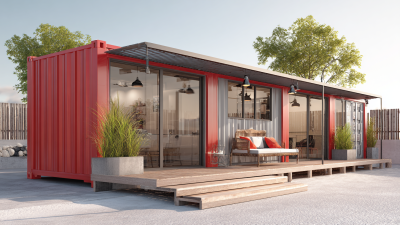
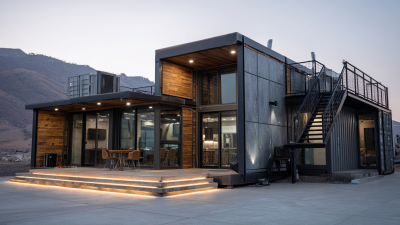
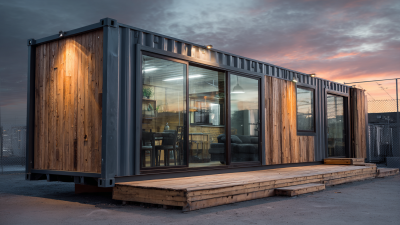
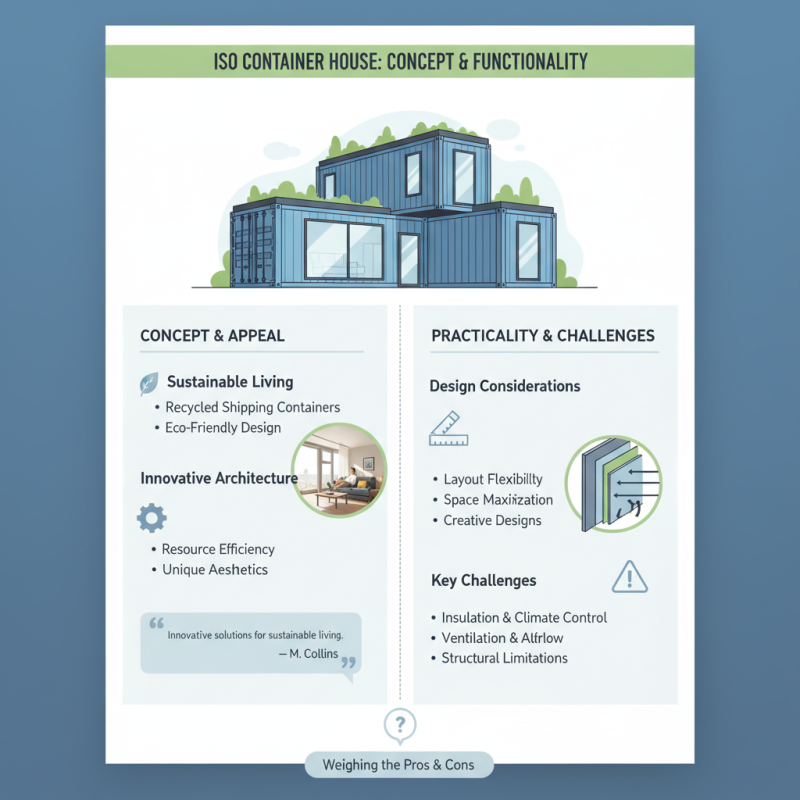
The concept of an Iso Container House has gained popularity in modern architecture. These structures are made from used shipping containers, transforming them into functional living spaces. According to industry expert Mark Collins, “Iso Container Houses are innovative solutions for sustainable living.” This statement captures the essence of why many are drawn to these unique homes.
Iso Container Houses offer an interesting blend of practicality and creativity. They can be designed in numerous styles, using minimal resources while maximizing space. However, challenges exist. Proper insulation and ventilation must be carefully addressed to create a comfortable environment. There’s a learning curve in adapting a metal container into a cozy home.
Building an Iso Container House might sound straightforward, but it requires thoughtful planning. Each container has its own limitations. Working within these constraints necessitates innovative designs and critical thinking. For those considering this path, it's essential to reflect on both the advantages and potential drawbacks of living in an Iso Container House.
An Iso Container House is an innovative approach to housing. It repurposes shipping containers into livable spaces. These structures are gaining popularity for their affordability and sustainability. According to a recent industry report, the global market for container homes is expected to grow by 10% annually from 2021 to 2028. This growth indicates a rising interest in modular building solutions.
Many people appreciate the resilience of container homes. Built from steel, they withstand harsh weather conditions. An estimated 20 million shipping containers are currently unused worldwide. Transforming these containers into homes can reduce waste significantly. However, there are challenges to consider.
Proper insulation is essential for temperature control. Without it, living in a container can be uncomfortable. Additionally, local zoning laws can restrict where these homes may be placed. Accessibility to utilities like water and electricity also presents hurdles for many builders. Potential homeowners need to navigate these complexities carefully.
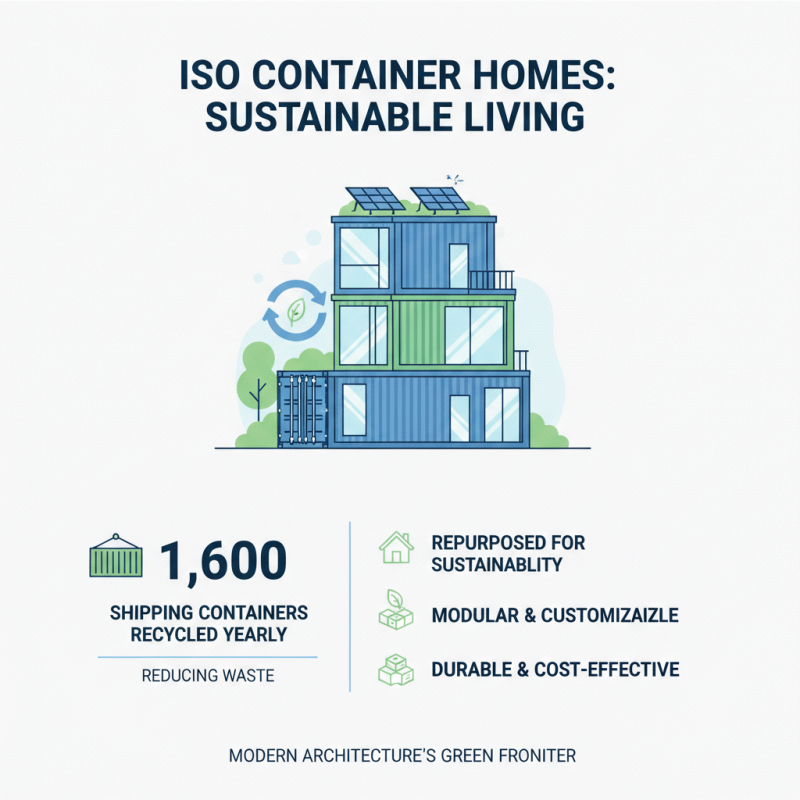
Iso container houses are gaining popularity as a unique housing solution. Their key features make them stand out in modern architecture. Firstly, these homes are constructed from shipping containers, often repurposed for sustainable living. According to recent data, about 1,600 shipping containers can be recycled each year, reducing waste significantly.
Another impressive aspect is their cost-effectiveness. On average, an Iso container house costs 30% less to build than traditional homes. This affordability is appealing, especially in urban areas where real estate prices skyrocket. Moreover, these houses can be customized easily. Add windows, insulation, and even eco-friendly technology. However, zoning regulations may pose challenges for some buyers.
Additionally, insulation and energy efficiency are vital elements. Iso container houses can be equipped with solar panels or green roofs, leading to a lower carbon footprint. Reports show that energy-efficient homes use up to 40% less energy. However, the process might require additional investments and planning. Some homeowners find this aspect challenging, navigating various regulations and building codes. The balance between innovation and practicality is essential in this evolving housing market.
Iso container houses offer a unique living experience. They are sturdy and versatile. Many people find them appealing for various reasons. One significant benefit is sustainability. Using recycled shipping containers reduces waste. This approach is environmentally friendly. It minimizes the need for traditional building materials.
Another advantage is affordability. Iso container houses can be cheaper than regular homes. The initial costs often attract those on a budget. However, budget constraints might lead to compromises in design. It's important to balance cost and aesthetic appeal when planning your space.
Tips for designing your Iso container house: Think about insulation. Properly insulating a container can make a huge difference. Consider the climate where you live. Adding windows can improve natural light but also might raise heating costs. Lastly, experiment with layouts. Each space is unique, and creativity can lead to impressive results. A well-thought-out design can transform limitations into stylish features.
Iso container houses are becoming a popular sustainable living solution. They are constructed using repurposed shipping containers. This type of housing is affordable and eco-friendly. According to a report from the United Nations, around 30% of urban populations live in inadequate housing. Iso container houses can help alleviate this issue.
The construction process is relatively straightforward. Typically, the containers are modified to include insulation, windows, and doors. This takes time and skilled labor. Some container homes require structural reinforcements, which can complicate construction. It's essential to consider local building codes. Many areas have strict regulations that can delay the process.
While the containers are durable, they are not immune to issues. For instance, moisture can build up if not properly ventilated. In a 2022 survey, homeowners noted that insulation was a common concern. It’s crucial to choose the right materials. Constructing a container house can be a rewarding project, but planning and mindfulness are key. Each step requires careful thought, and sometimes results might not meet initial expectations.
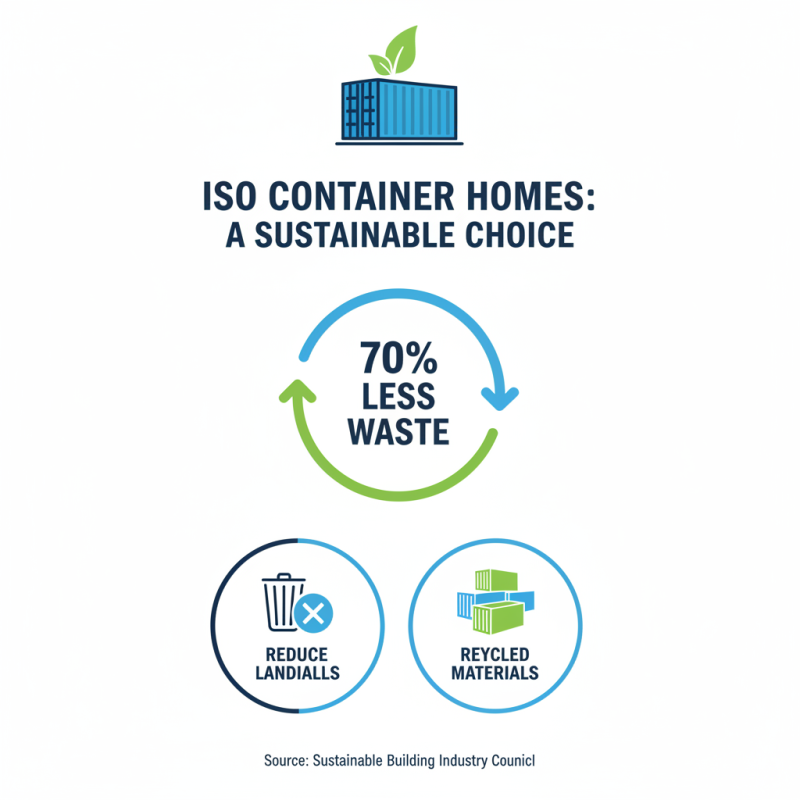
Iso container houses are gaining traction as a sustainable housing solution. Made from recycled shipping containers, they utilize materials that would otherwise contribute to landfills. According to the Sustainable Building Industry Council, these structures can reduce waste by up to 70%. This is significant in a time when construction waste accounts for about 30% of total solid waste in many countries.
Energy efficiency is another critical aspect. Iso container houses often incorporate insulation materials that enhance energy conservation. In fact, they can reduce energy dependency by nearly 50% compared to traditional homes. Many designs include solar panels and rainwater harvesting systems, promoting self-sufficiency. However, there are challenges. Retrofitting containers for insulation can be expensive. Some designs may not adhere to local zoning laws. Thus, while the potential is high, the practicality still demands careful planning and consideration.
The modular nature allows for flexible layouts, but that can lead to issues in space optimization. Residents sometimes find themselves with less usable space than planned. Another concern is the thermal performance—containers can get excessively hot or cold without proper design. These factors are vital for sustainability and must be thoughtfully addressed in planning.