What Are the Key Features of Barrack Building Designs?
Barrack buildings serve as crucial structures for military personnel. Their design must maximize functionality while ensuring comfort. These buildings often face unique challenges. Efficient use of space is vital.
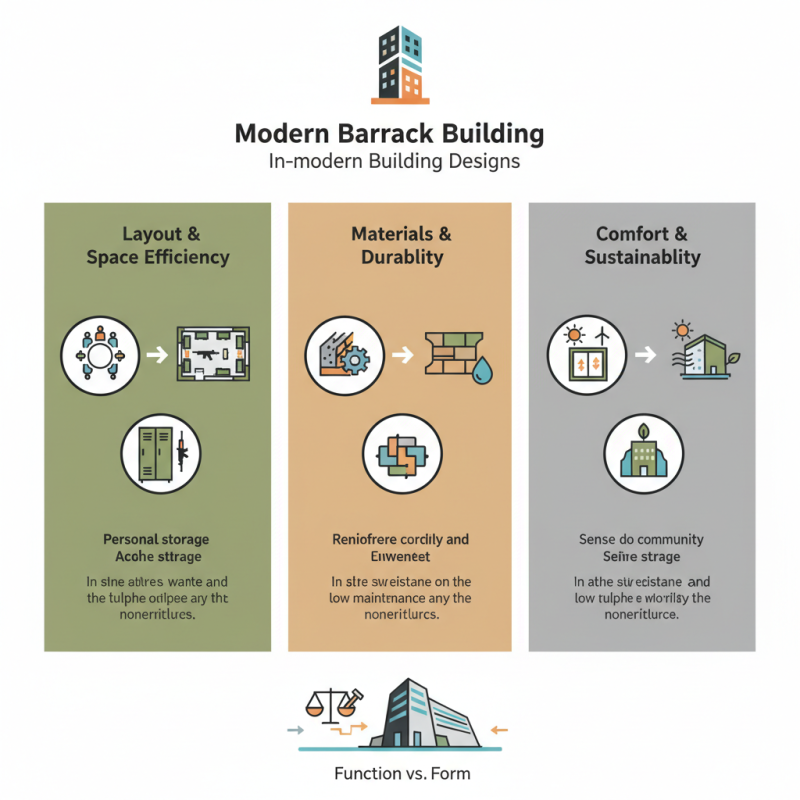
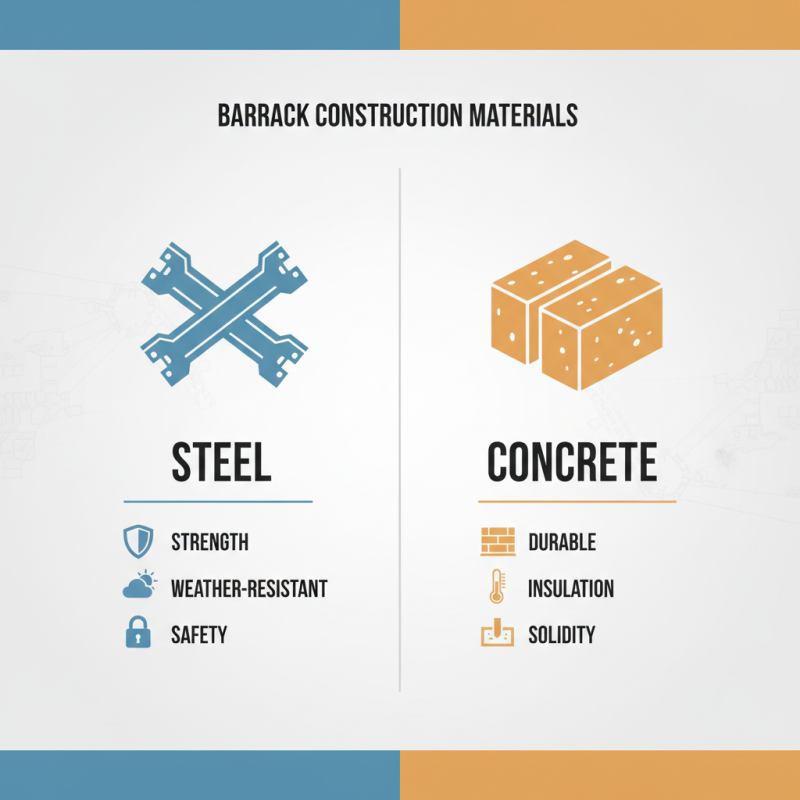
The key features of barrack building designs include layout, materials, and sustainability. Open-plan living areas encourage camaraderie among soldiers. Rooms need to accommodate personal belongings. The choice of materials can impact maintenance and durability.
Lighting and ventilation are essential for a healthy environment. It’s crucial that these buildings inspire a sense of belonging. However, aesthetics can sometimes be overlooked. Reflection on the balance of function versus form is needed in future designs.
Key Characteristics of Barrack Architecture
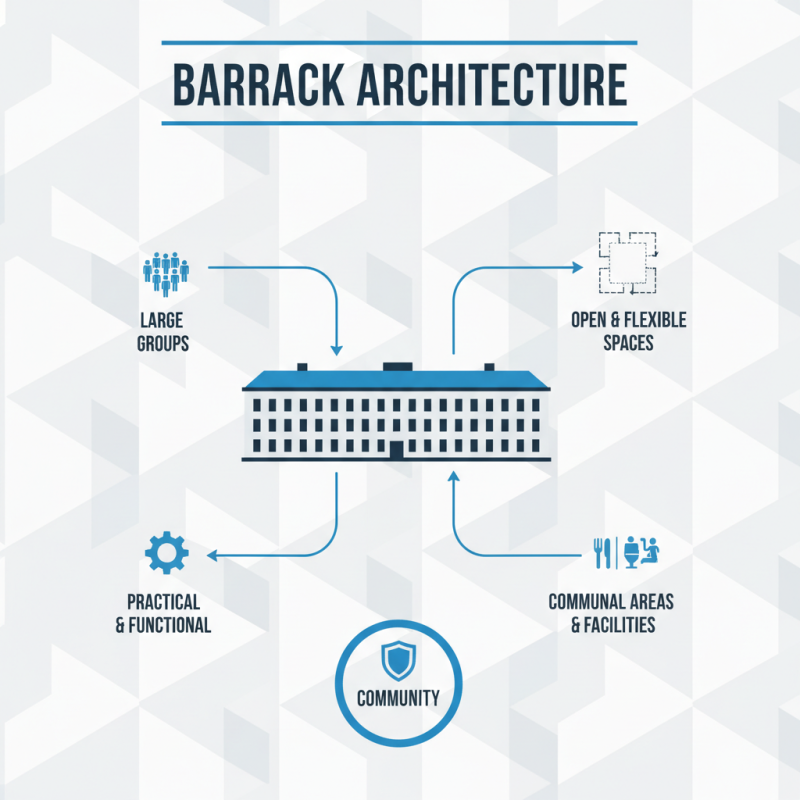
Barrack architecture is designed to accommodate large groups efficiently. These buildings focus on practicality and functionality. Spaces are often open and flexible. The layout may feature communal areas. This encourages interaction among residents. Shared facilities like kitchens and bathrooms are common. These features help in creating a sense of community.
The exterior design often reflects simplicity. Materials used tend to be durable and low-maintenance. Large windows allow natural light, enhancing the living environment. However, such designs can feel stark or overly utilitarian. Some might find this approach lacks warmth. Balancing functionality with comfort is a challenge in barrack design.
Accessibility is another key aspect. Buildings should be accommodating for everyone. Wide corridors and ramps are crucial. However, not all barracks meet these needs adequately. Reflecting on these shortcomings is essential for future improvements. Overall, the essence of barrack architecture lies in its aim to serve many while fostering unity.
Historical Evolution of Barrack Building Designs
The design of barrack buildings has evolved significantly over centuries. Early structures primarily focused on simple functionality. Soldiers required basic shelter and security. These designs often utilized materials that were locally available. Wood, stone, and mud were common, depending on the region.
In the 19th century, military architecture began to shift. Influences from industrialization introduced more durable materials like brick and cast iron. Reports indicate that barrack designs in urban areas often incorporated multi-story layouts. This change allowed for efficient use of space in growing cities. Yet, these designs sometimes sacrificed individual privacy for the sake of efficiency.
**Tip:** When assessing barrack designs, consider how space impacts troop morale. Overcrowding can lead to stress.
In recent decades, barrack designs have increasingly focused on sustainability. Architects now integrate modern technologies and eco-friendly materials. However, the challenge remains to balance aesthetics with functionality. Some designs overlook the mental health implications of confined living spaces. Continuous reflection on these aspects is critical for future developments.
**Tip:** Prioritize natural light and ventilation in designs. They greatly improve living conditions for occupants.
What Are the Key Features of Barrack Building Designs? - Historical Evolution of Barrack Building Designs
| Feature |
Description |
Historical Significance |
Examples |
| Functional Layout |
Designed for efficient use of space, accommodating large numbers of personnel. |
Evolved from military needs for order and discipline, influencing modern barracks. |
Historic military camps in Europe |
| Materials |
Use of durable materials like stone and brick, later developments included reinforced concrete. |
Reflects advancement in construction technology over centuries. |
Castles, fortifications from the 18th century |
| Ventilation |
Designed to promote air circulation for comfort in living spaces. |
Important for troop health and morale; evolved from basic openings to advanced systems. |
19th-century military barracks |
| Sanitation |
Incorporation of bathrooms and latrines to improve living conditions. |
Shift towards prioritizing health in military design post-World War II. |
Modern barracks built after 1950s |
| Aesthetic Design |
Incorporation of architectural styles for visual appeal and to represent military pride. |
Reflects socio-political status of military in society at different historical periods. |
Buildings from the Napoleonic era |
Functional Spaces in Barrack Structures
Barrack structures are designed with functional spaces in mind. These spaces cater to the needs of the inhabitants. Typically, barracks include sleeping quarters, communal areas, and dining halls.
Sleeping quarters are often minimalistic, focusing on practicality rather than comfort. Rows of bunk beds might line the walls, leaving little room for personal belongings.
Communal areas serve multiple purposes. They can act as recreational spaces or quiet zones for study. However, these areas sometimes lack sufficient privacy. The design often overlooks the balance between social interaction and personal space.
Dining halls may be large, accommodating many people at once, but the atmosphere can feel impersonal. Long tables and hard benches contribute to a functional yet stark environment.
Overall, the features of barrack designs aim to facilitate community living. Attention to functional spaces helps maximize usage. Yet, there’s room for improvement. Many designs miss the mark on comfort and individual needs. The challenge lies in creating a harmonious balance between functionality and personal well-being.
Modern Innovations in Barrack Design and Sustainability
Modern barrack designs are evolving rapidly, emphasizing sustainability and innovation. New reports indicate that sustainable building techniques can reduce energy consumption by up to 40%. This shift is essential given that traditional designs often lead to high energy use and large carbon footprints.
Incorporating eco-friendly materials and smart technologies is becoming standard. Solar panels are frequent additions, helping facilities generate their own power. Green roofs are gaining popularity as well. They improve insulation and provide a habitat for local wildlife. However, not all designs meet these standards. Some still rely heavily on outdated practices and materials.
Water conservation features are also critical. Innovative designs now include rainwater harvesting systems, which can reduce dependency on municipal water supplies. But implementing these systems does come with challenges. Many facilities do not have the budget or technical expertise to integrate these advanced features effectively. Addressing these gaps in planning can make a significant impact on long-term sustainability goals.
Key Features of Modern Barrack Building Designs